Your Cart is Empty

Spent too much time in the sun without proper sun protection? We feel your pain (literally!) Sunburned skin is not a good look — on anyone, but the effects of unprotected sun exposure aren’t just superficial.
The statistics are frightening: Every hour one person dies of skin cancer. Even a single blistering sunburn during childhood or adolescence can nearly double a person’s chance of developing melanoma — the deadliest skin cancer.
The fact is, too much time in the sun can rob the skin of moisture and cause damage below the surface. With summer in full swing, there’s no better time to get serious about sun protection.
No one sets out to scorch their skin, but sometimes, despite our best intentions, we end up getting burned. Here are our top 5 treatments to soothe sunburned skin naturally:
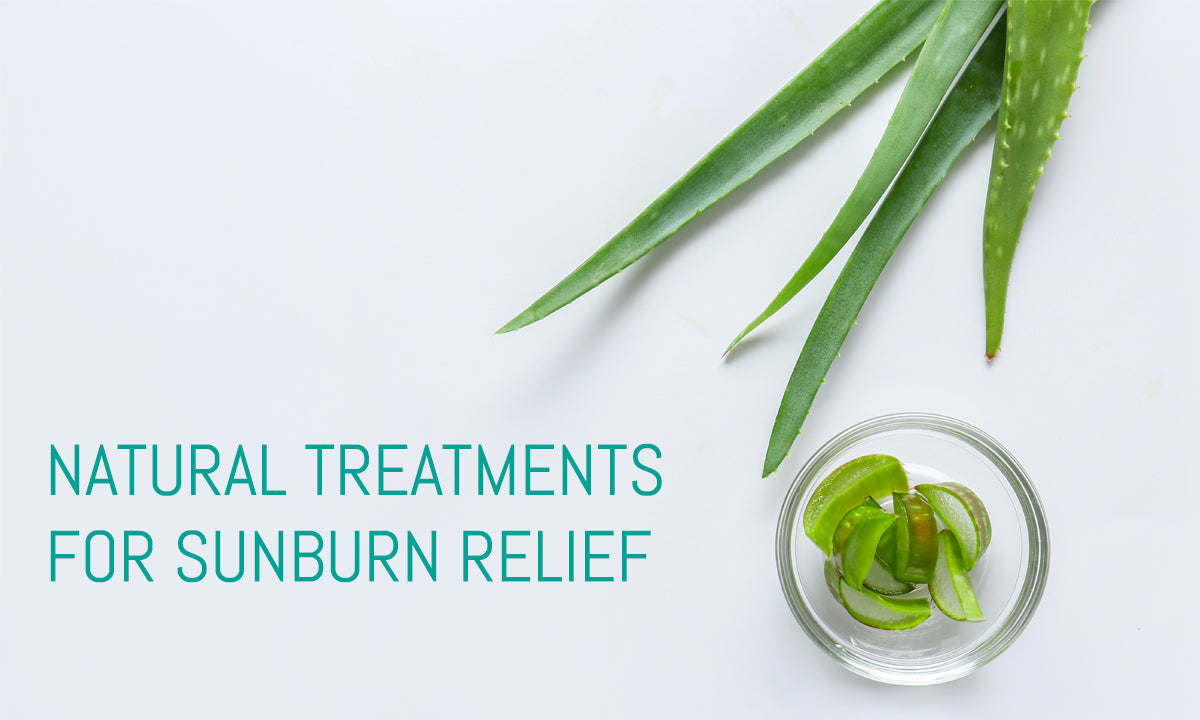
Also called the “burn plant,” aloe vera is famous for its soothing properties in the treatment of sunburns and other minor burns.
Aloe can be used raw from the plant and is also a common ingredient in popular after-sun gels and lotions. Look for a natural formula without additional thickeners or polymers (like this).
If ever there were a beauty cure-all, it’s coconut oil. Known for having many different uses and health benefits — from hair masks to cold sore treatments — coconut oil also makes a great natural remedy for sun-scorched skin.
Once you’re out of the sun, apply pure coconut oil directly to the affected area(s) (after the skin has cooled) or look for coconut oil beauty products formulated to soothe sunburned skin. Bonus: your skin will smell amazing.
In addition to being one of the healthiest drinks on the planet, green tea is a powerful ingredient packed with benefits including relieving sunburned skin.
For sunburn relief, green tea compresses or a green tea body spritz can help heal and reduce redness and inflammation.
For sunburns on the face or neck, green tea creams may also provide cooling natural sunburn relief.
Oats have antioxidant and anti-inflammatory properties which make them an effective natural skin soother.
Lotions and creams with colloidal oatmeal — a finely ground form of oats — can provide natural sunburn relief by calming the redness, itchiness and pain associated with most sunburns. Look for products that list calming and hydrating benefits.
When skin is sunburned and irritated, its pH level may be too high or too low. Baking soda can help bring the pH of sunburned skin back to normal levels, which can calm skin itch and inflammation.
To soothe sunburned skin, mix a few scoops with enough cold water to create a paste. Gently spread on the burn until pain subsides and then wash off completely.
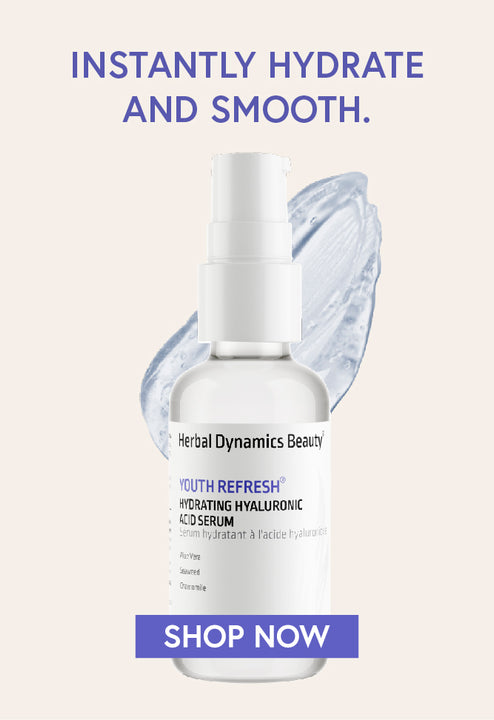
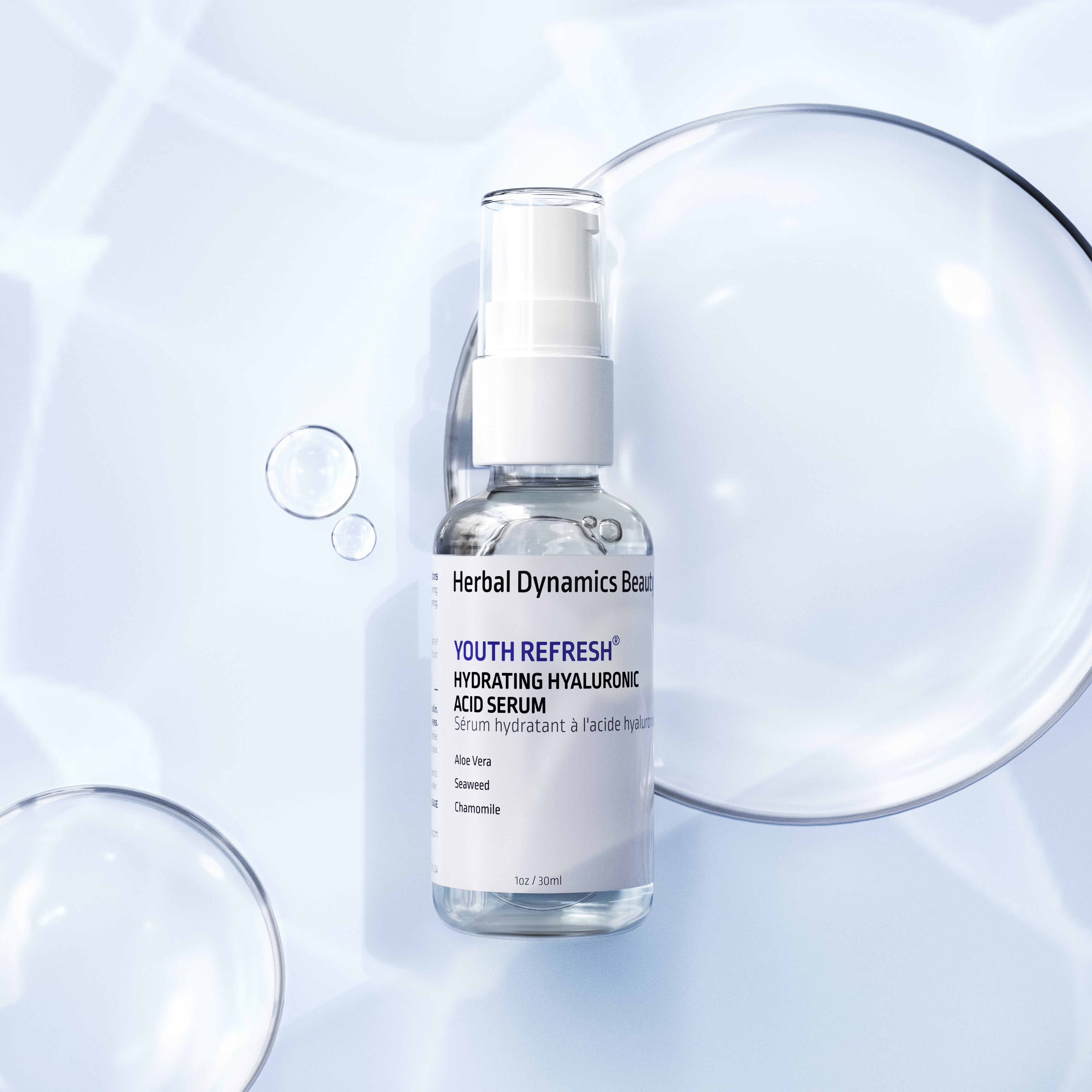
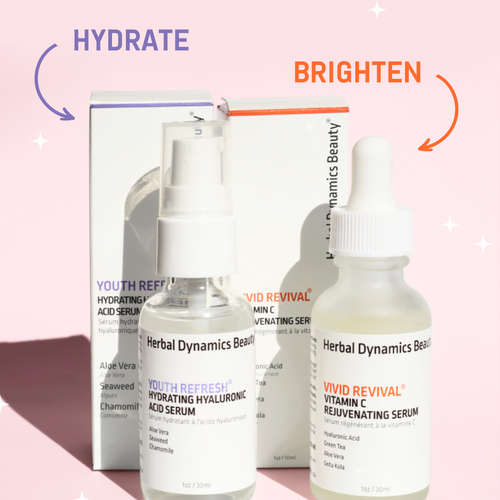
As the skin’s natural hydrator, hyaluronic acid can help moisturize and soothe sunburned skin. We like this one, which contains organic aloe vera and other botanical extracts that help to hydrate skin on a cellular level and support a smooth, radiant complexion.
To keep your skin hydrated and looking healthy, try this Hydrating Serum.