Your Cart is Empty

Sensitive skin may tolerate azelaic acid, but tolerance is individual and depends on the whole formula. The ingredient's use in dermatology does not mean it cannot sting, itch or cause a reaction. Start by making sure your basic routine is comfortable, then introduce a suitable product according to its directions.
A history of reacting easily is different from a new episode of burning after an exfoliant, sunburn or another product. If even your usual moisturizer suddenly hurts, adding another active is unlikely to clarify the problem.
Use the sensitive-skin guide for the broader distinction between sensitive skin, irritation and allergy. Persistent symptoms or an unclear rash deserve an assessment before an ingredient experiment.
Read the full ingredient list and directions. Consider fragrance, essential oils, exfoliating acids and any ingredients you already know you react to. A serum with several actives gives you more possible causes to investigate if a reaction develops.
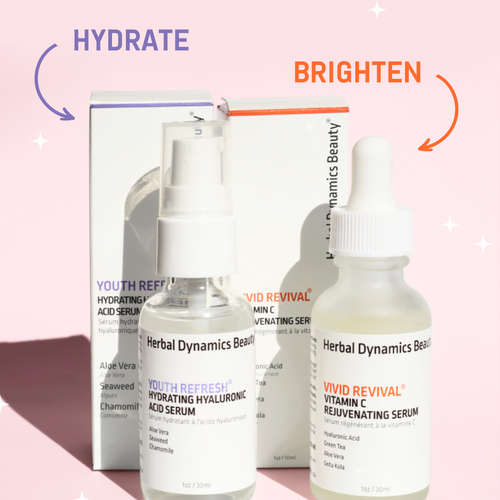
Hydrating ingredients and a comfortable cream base may improve the feel of a formula, but they do not guarantee that its azelaic acid or other ingredients will be tolerated. Nor does a thinner gel automatically suit sensitive skin better.
Not reliably. Concentration is one variable among several. Comparing a low-percentage cosmetic with a prescription preparation also means comparing different evidence, bases and instructions. Use the percentage guide to understand those distinctions.
If azelaic acid is prescribed, describe your sensitivity to the prescriber. Do not dilute a medication or reduce its schedule on your own to recreate an online “gentle” routine.
The product-testing guide gives more detail. For a prescription, ask how to introduce it within the treatment plan.
A small, open-label study in people using a 15% azelaic-acid gel for rosacea found lower cumulative discomfort scores on the side also receiving a moisturizer. That supports the practical value of basic skincare, but it does not prove that every moisturizer prevents irritation.
Choose a formula you tolerate and follow the treatment's application order. You do not need to add a separate hydrating serum if your moisturizer already keeps your skin comfortable.
Do not treat persistent burning, an itchy rash or increasing redness as proof that your skin is “adjusting.” Stop a cosmetic that causes a reaction. For a prescribed treatment, contact the prescriber; severe or persistent irritation needs prompt guidance.
Get urgent help for breathing difficulty or significant facial swelling. Report unusual light patches as well. The side-effects guide explains why a reaction and a temporary change in acne are not the same thing.
Clinical irritation testing shows that azelaic-acid preparations can irritate skin. Such tests do not predict precisely how an individual will respond, and a product being suitable for some people with rosacea does not make it universally suitable for reactive skin.
By Herbal Dynamics Beauty • September 26, 2026