Your Cart is Empty

For sensitive skin, the best toner is usually a non-exfoliating, fragrance-free formula that avoids your known triggers—if you need toner at all. If your face is actively burning, peeling or reacting, start by simplifying rather than adding another product.
If your cleanser and moisturizer already leave skin comfortable, there may be nothing for toner to add. If cleansing causes stinging, another liquid is not necessarily the solution. Review the skin-barrier guide and your basic routine first.
| Check | Why it matters |
|---|---|
| Fragrance and fragrant plant materials | A “natural” scent can still be a trigger |
| Exfoliating acids | These add an active treatment step rather than simple hydration |
| Alcohol and overall formula | Some formulas may feel drying or uncomfortable; one ingredient alone does not predict every reaction |
| Known allergens | Your own history matters more than a universal “safe ingredients” list |
| Claims such as hypoallergenic | They do not guarantee an absence of reactions |
Alcohol, alcohol denat. and the fatty alcohols used in some creams are not interchangeable categories. Avoid treating every ingredient whose name contains “alcohol” as the same substance. Read the formula in context, especially if a clinician has identified a specific contact allergy.
CeraVe Hydrating Toner is described by its manufacturer as fragrance-free and alcohol-free, with glycerin, niacinamide, ceramides and sodium hyaluronate. It illustrates useful label features for a hydration-focused choice; it is not a guarantee of individual tolerance or a recommendation to add toner during a flare. Check the current package.
Aloe, chamomile, witch hazel and rose are not automatic shortcuts to low irritation. The entire preparation matters, and plant ingredients can trigger reactions. Read chamomile and allergy considerations and witch-hazel formula differences if those appear on your label.
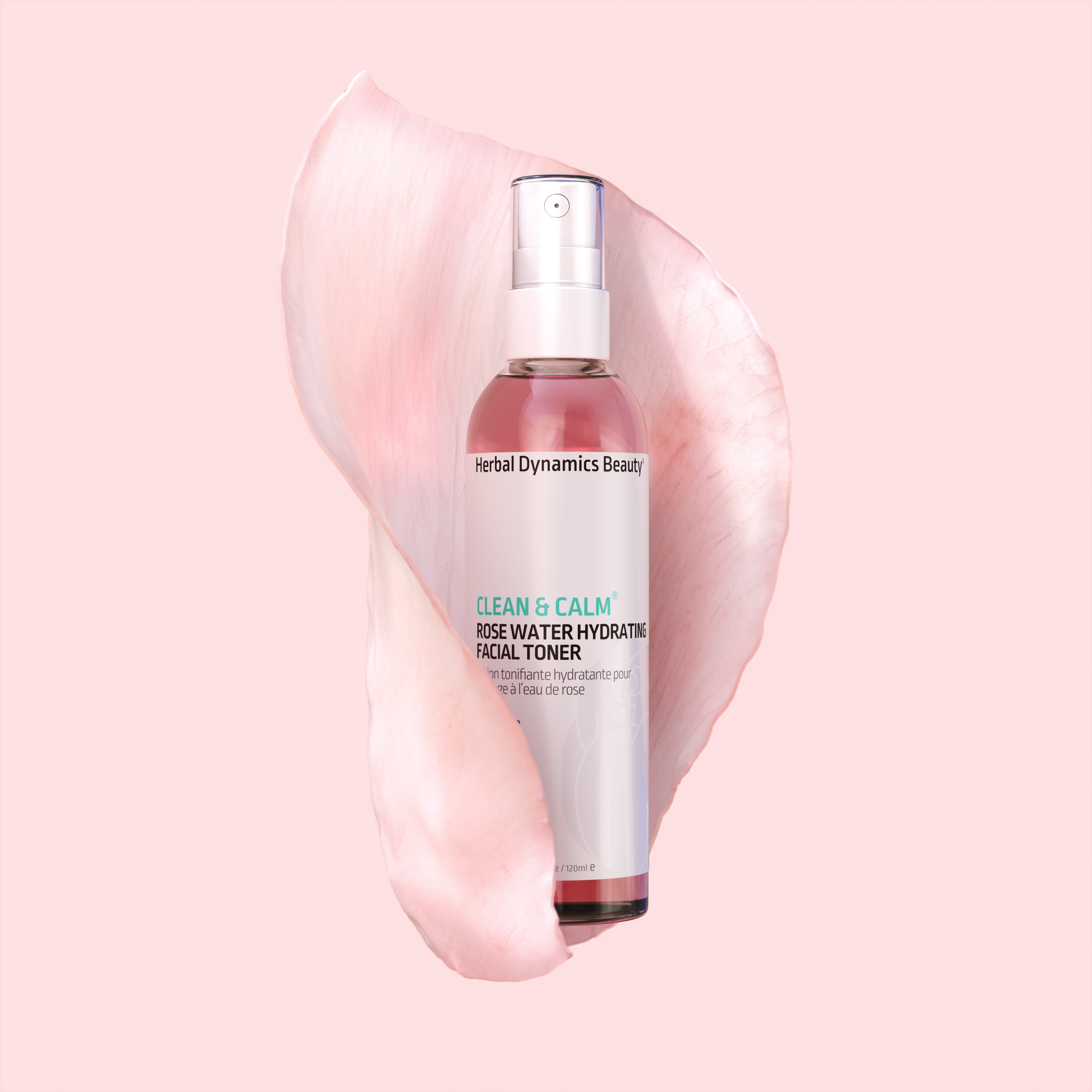
Herbal Dynamics Beauty CollagenR8® Restorative CoQ10 Facial Toner contains several botanical extracts. It is not the default choice for a person who reacts to those plants. The rose-water toner is currently unavailable and its existing formula contains alcohol and fragrant botanical ingredients. The rose-water sensitivity guide explains why neither a rose name nor a soothing claim establishes suitability.
Make one change at a time. Try a small area of intact skin before broader use and follow the product's directions. A home use test cannot exclude a delayed allergy; repeated reactions may need professional evaluation and formal patch testing.
Do not deliberately tolerate ongoing burning to “build resistance.” Stop the new product for persistent discomfort, itching, swelling or rash. Severe symptoms need prompt care.
A gentle cleanser, tolerated moisturizer and suitable sun protection take priority. An optional toner belongs after cleansing, before moisturizer, if it adds comfort. Avoid layering multiple acid products or adding a new fragrant mist while recovering from irritation.
Use the barrier-repair routine for that situation. For broader shopping comparisons, return to the facial-toner buying guide; for necessity and benefits, use the main toner overview.
Updated September 20, 2026. General skincare education.