Your Cart is Empty
The best facial exfoliator is the one that matches your concern without making your skin uncomfortable. Consider an AHA for surface roughness, salicylic acid for acne-related clogged pores, or a carefully chosen PHA formula when tolerability is a priority. If your skin is burning, rashy or peeling, skip the purchase and address that first.
| Your main goal | Option to consider | Why it fits—and the limit |
|---|---|---|
| Dry-looking surface roughness | The Ordinary Lactic Acid 5% + HA | A 5% lactic-acid formula with humectants. Its usage warning excludes sensitive, peeling or compromised skin. |
| Oily skin with acne comedones | The Ordinary Salicylic Acid 2% Solution | A 2% salicylic-acid acne product. Follow its U.S. treatment directions; other acne medicines can increase dryness. |
| Comfortable but reactive skin seeking mild exfoliation | The INKEY List PHA Toner | A toner with 3% gluconolactone and 3% niacinamide. Still an exfoliant; sensitivity can recur. |
| An AHA alternative for texture | The Ordinary Mandelic Acid 10% + HA | A 10% mandelic-acid formula. Its label also excludes sensitive, peeling or compromised skin. |
| Current stinging, a rash or raw flakes | No exfoliant for now | Simplify to comfortable basic care |
These are examples selected from current manufacturer ingredient lists and instructions, not results of head-to-head product testing. Percentages describe those particular formulas; they do not rank different acids by gentleness. Always check the package you receive because formulas and directions can change.
For AHA selection, glycolic acid and lactic acid are established surface-exfoliation options; mandelic acid is another choice with more limited home-product evidence. There is no universal “best AHA.” A finished formula’s pH, concentration, vehicle and your tolerance matter more than a largest-percentage claim.
For BHA selection, look for salicylic acid rather than assuming willow bark extract delivers an equivalent acne treatment. Decide whether you need a labeled acne medicine or only a cosmetic texture product. For PHA, gluconolactone is a common option; gentler marketing does not mean no risk of irritation. Read AHA vs. BHA vs. PHA for the full comparison.
For mature skin, dryness and current retinoid use are often more relevant than age. An extra acid may add irritation without addressing a remaining goal. Cosmetic exfoliation can change surface appearance, but it is not a substitute for the evidence and precautions associated with retinoid care.
For hyperpigmentation, repeated irritation can create more discoloration. Use the dark-spot ingredient guide to choose targeted care, and keep sunscreen central. Professional peel results are not proof that a retail exfoliant will treat melasma or scars.
Neither is automatically safer. Physical methods add friction; enzyme formulas vary in activity and can cause reactions. Avoid coarse scrubbing over inflamed acne or flakes. The facial-exfoliation guide compares methods, and the enzyme guide explains why papaya on a label is not enough to judge a peel.
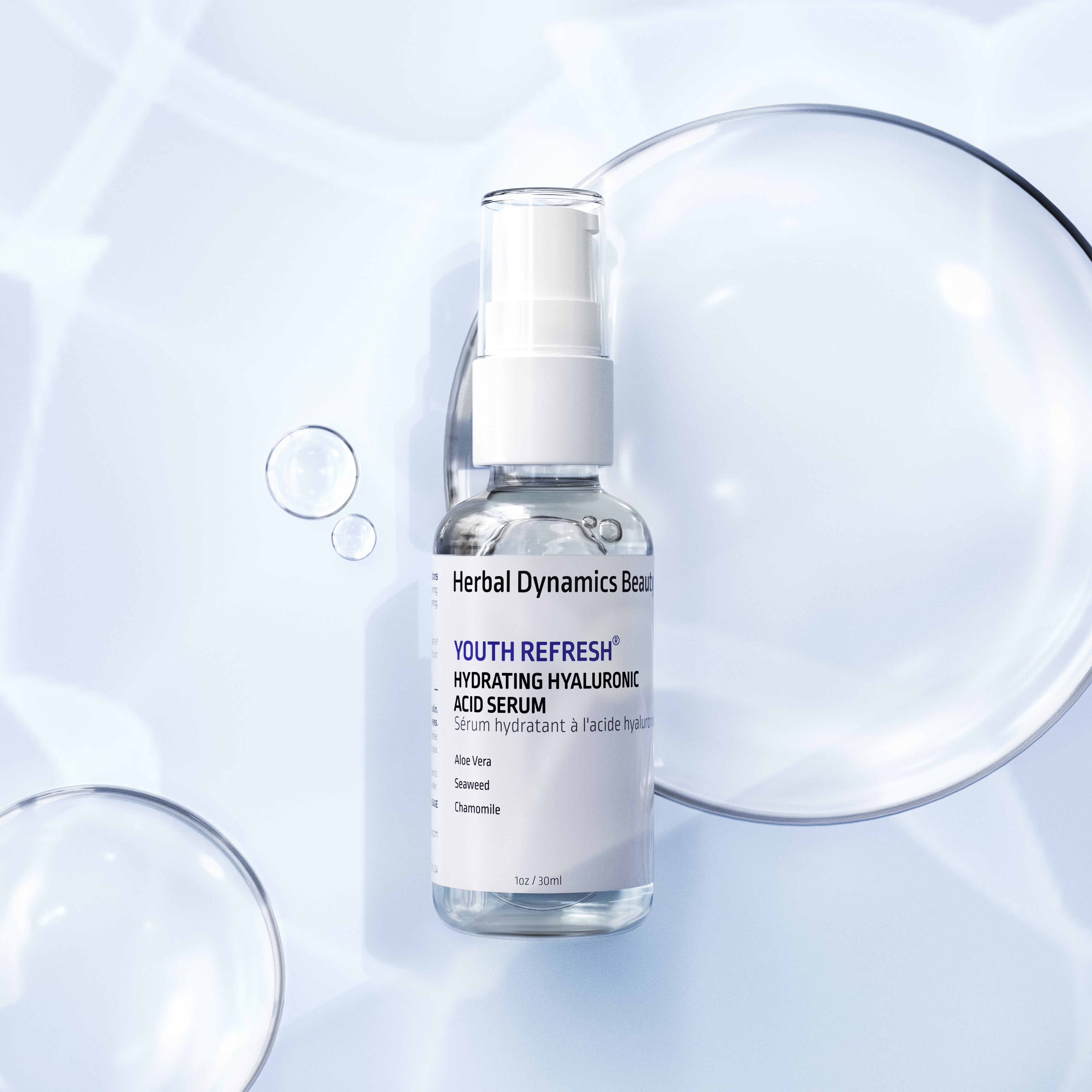
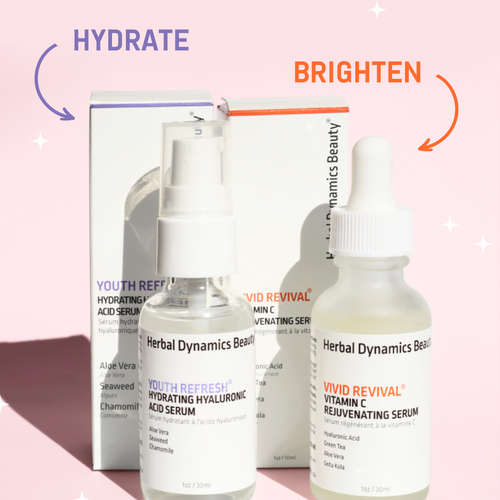
A dedicated facial exfoliant is not currently available in the Herbal Dynamics Beauty range reviewed for this guide. Hydrating products should not be presented as AHA or BHA substitutes. For comfortable skin, Youth Refresh® Hydrating Hyaluronic Acid Serum offers humectants including glycerin and sodium PCA; Youth Refresh® Prickly Pear Antioxidant Daily Moisturizer includes emollients such as caprylic/capric triglyceride and shea butter. Choose either only if its complete formula suits you.
Hydration can support the routine, but it does not neutralize an acid or make overuse safe. You do not need to add a serum if your moisturizer already keeps your skin comfortable.
By Herbal Dynamics Beauty • Updated September 20, 2026. General skincare education; persistent, painful or worsening symptoms need professional assessment.