Your Cart is Empty
Glycolic acid is an alpha hydroxy acid used for surface exfoliation. A suitable formula may improve the appearance of roughness and uneven tone, but irritation and increased sun sensitivity are real tradeoffs. It is not necessary for every routine or a substitute for acne or pigment treatment.
A clinical study of a particular glycolic-acid gel delivery system reported improvement in measured photodamage features and differences between formulations. It supports the importance of delivery and tolerability; it cannot establish identical results for every retail toner. Research involving professional peels, stronger concentrations or combined regimens also needs that separation. A temporary smoother feel is different from treating acne scars or rebuilding collagen.
Glycolic acid is smaller than lactic and mandelic acid, but molecular size alone cannot rank finished products by safety. A lower-strength glycolic formula can be easier to tolerate than a stronger alternative. Read glycolic versus lactic acid and the mandelic-acid guide for those choices.
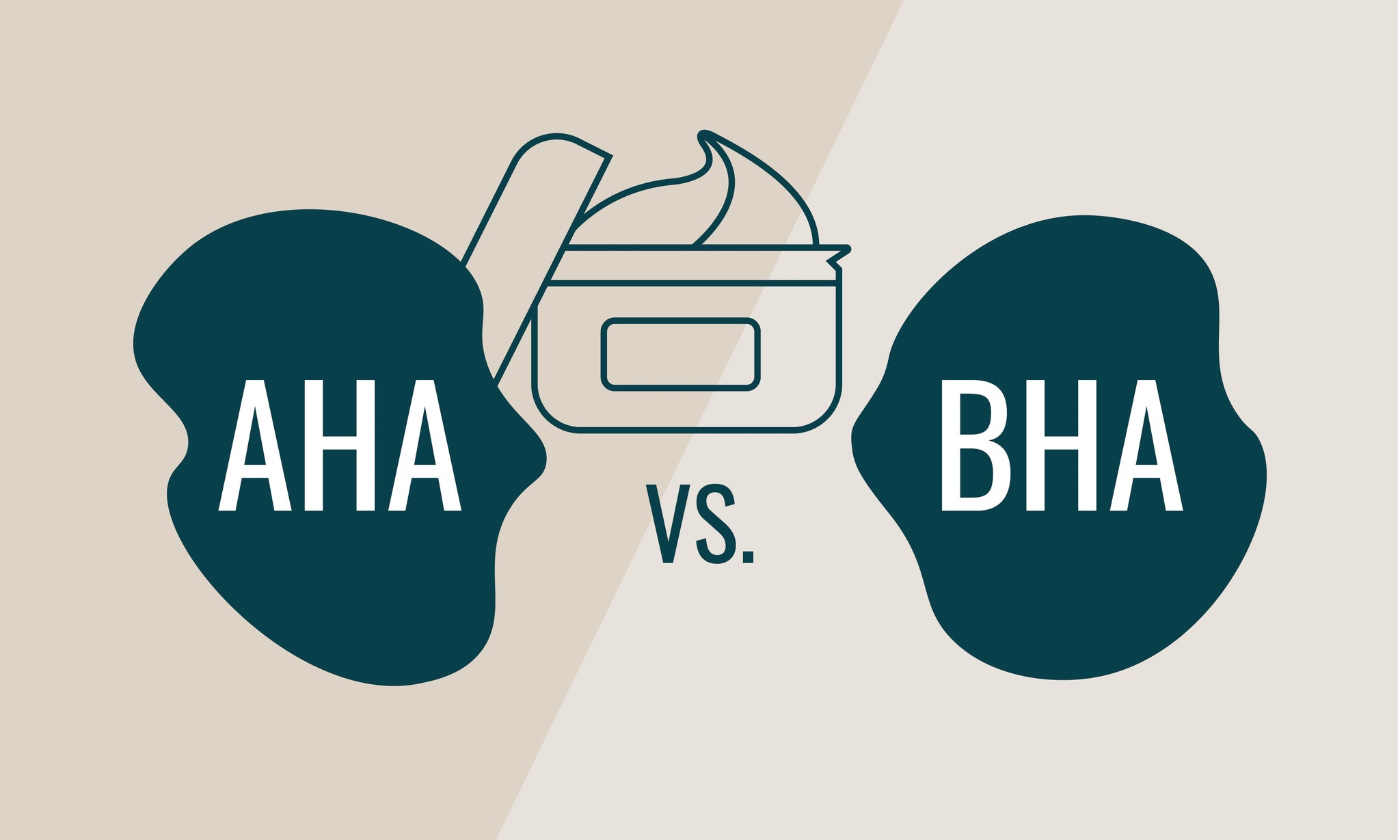
For oily comedones, salicylic acid has a more specific acne role. For a gentler-feeling cosmetic approach, a PHA formula may be worth considering, without treating the category as irritation-proof. The AHA/BHA/PHA comparison puts these goals side by side.
FDA guidance identifies concentration, pH and the full formulation as relevant to exfoliation. The same labeled percentage can behave differently across products. The CIR conditions summarized on the FDA page are formulation criteria, not a promise that every product under a particular number is safe for your face.
Do not buy a concentrated professional peel and improvise a home protocol. The FDA has warned about serious injuries from unsupervised chemical-peel products. Longer contact time and repeated applications can increase the harm.
Glycolic acid may be an optional texture step, but the AAD acne guideline does not place a cosmetic glycolic serum on the same footing as strongly recommended acne treatments. Persistent, inflamed or scarring acne needs an appropriate treatment plan.
For dark spots, identify the cause and keep sunscreen consistent. Irritation can add post-inflammatory discoloration. A peel that stings more does not necessarily fade a mark better, and changing or unusual pigmented spots need assessment.
A controlled human study found increased UV sensitivity with the tested glycolic-acid regimen, which was no longer evident one week after stopping. FDA guidance advises sunscreen, protective clothing and limiting sun exposure during AHA use and for a week afterward. This is still relevant when application is at night.
Stop optional exfoliation for persistent burning, flaking or a rash. Over-exfoliation care explains how to simplify. Severe pain, blistering or eye exposure requires prompt professional advice.
By Herbal Dynamics Beauty • Updated September 20, 2026. General skincare education; persistent, painful or worsening symptoms need professional assessment.