Your Cart is Empty

A clay mask can take up some oil at the skin's surface and leave a temporarily less shiny finish. It does not pull toxins out of your body, permanently close pores or guarantee clear skin. Its usefulness depends on the complete formula and whether you tolerate the application and removal.
Clay minerals have surfaces that interact with water and other materials. In cosmetic language, “oil absorption” is a useful broad description of a less oily surface feel; adsorption more specifically means material binding to a surface. Neither process is equivalent to a vacuum extracting every plug from a follicle.
The mineral type, amount of clay and surrounding ingredients affect the finished paste. Kaolin and bentonite are not interchangeable raw materials, but their names alone do not predict how drying a mask will feel.
| Possible cosmetic effect | What it does not establish |
|---|---|
| A temporarily more matte surface | A permanent reduction in oil-gland output |
| A different smoothness or feel after rinsing | Removal of every blackhead |
| Useful targeted care for a shiny T-zone | A reason to dry out already tight cheeks |
| A pleasant optional routine step | Treatment of acne, eczema or another condition |
A 2023 study enrolled 75 adults with oily or combination skin to use one formulated clay mask for four weeks. Several measurements improved, but pore area did not change significantly. The study assessed change over time without a separate untreated comparison group. All authors were affiliated with L'Oréal; the tested product was not a Herbal Dynamics Beauty mask.
A 2012 clay-and-jojoba observational pilot also reported improvement in acne-related outcomes. Its uncontrolled design and combined ingredients limit what can be concluded about clay alone. These studies are useful starting points, not proof that every clay formula produces the same effect.
It may make an oily nose look less shiny, but blackheads are follicular plugs. Normal sebaceous filaments can also remain visible after cleansing or masking. More forceful removal is not necessarily better care.
Use the mask guide for clogged pores when comparing formats. For recurring comedones, the established blackhead guide covers the treatment decision.
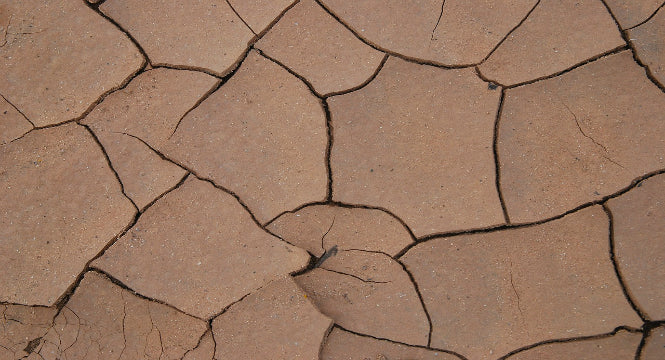
Yes. A mask can leave skin tight or irritated, especially if its formula also contains exfoliating ingredients or if you use it too often. That is a reason to reassess, not a sign of successful detoxification. Added glycerin or oils do not guarantee that a finished clay mask will suit dry or reactive skin.
Stay within the product's stated contact time, rinse without scrubbing and use a tolerated moisturizer afterward. Do not wait for uncomfortable cracking. The application guide covers removal; the reaction guide covers burning, dryness and new bumps.
Someone with comfortable oily areas who enjoys a temporary matte finish may find it worthwhile. Someone already dry, peeling or irritated may find no useful role for it. Compare formulas in Best Clay Mask for Oily Skin and schedules in the mask-frequency guide.
By Herbal Dynamics Beauty · Updated September 22, 2026.