Your Cart is Empty
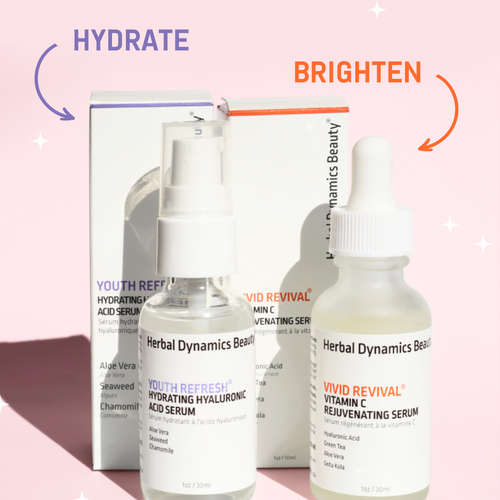

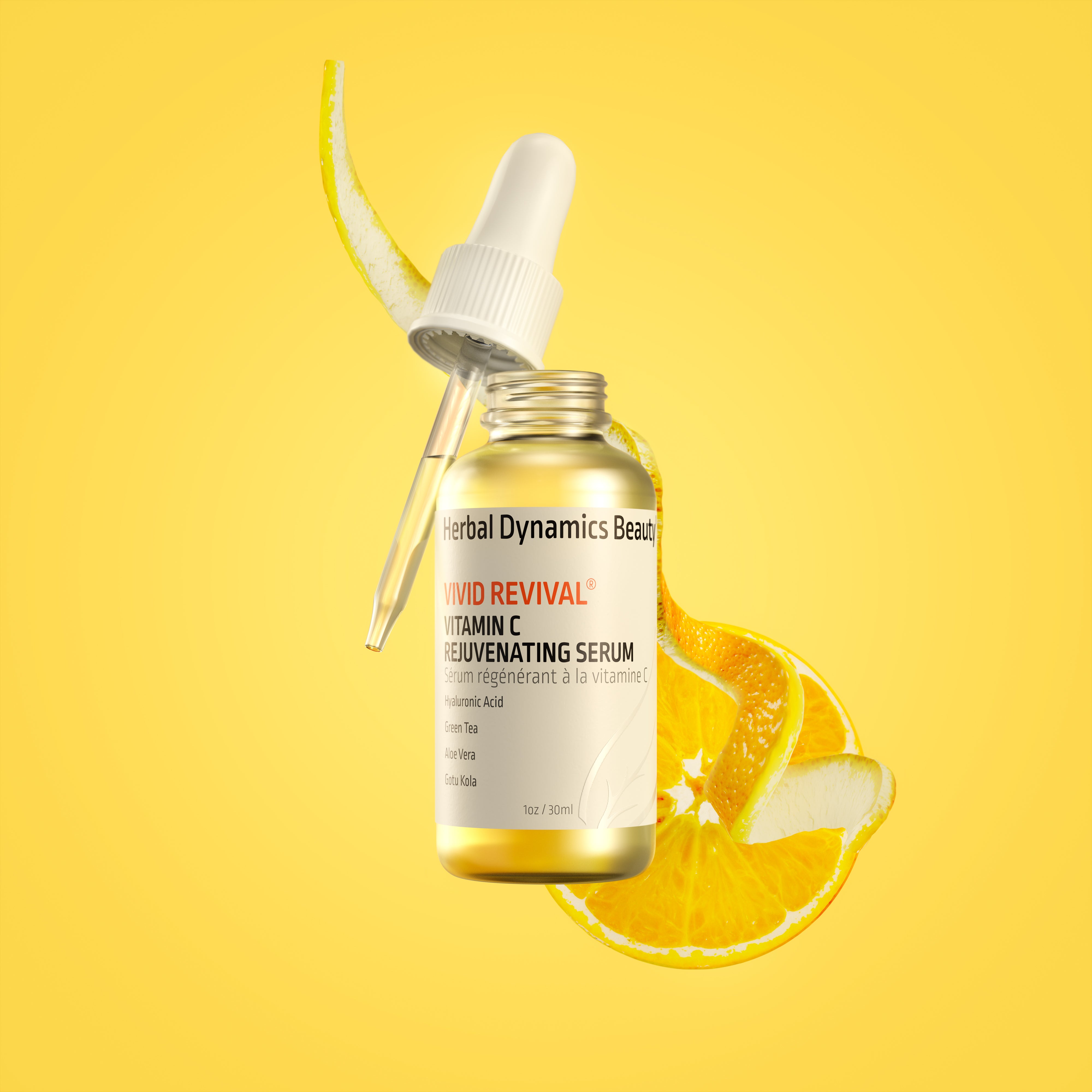
Vitamin C may help when under-eye darkness involves uneven pigment, oxidative stress or photoaging. It is much less likely to change a blue vascular tone or a shadow cast by a tear trough. Formula stability, concentration and eye-area tolerance are more important than choosing the strongest percentage.
First, use our guide to dark-circle types and causes to identify the dominant pattern.
Vitamin C is an antioxidant involved in collagen biology and pigment pathways. Topical research supports benefits for photoaged skin and uneven tone, although studies use different derivatives, concentrations and formulations. Evidence from the whole face cannot automatically be treated as proof for every under-eye product.
| Dark-circle pattern | Expected fit |
|---|---|
| Brown or gray pigment | Potentially useful in a gentle brightening routine |
| Sun-related uneven tone | Useful alongside daily photoprotection |
| Dry, dull-looking surface | May add antioxidant support; hydration still matters |
| Blue or purple vascular color | Unlikely to be the primary solution |
| Tear-trough shadow | Cannot change the underlying contour |
Antioxidants complement photoprotection; they do not block enough UV radiation to replace a labeled broad-spectrum sunscreen. Use vitamin C first, allow it to settle, then apply sunscreen according to the product directions. Learn how sunscreen helps prevent under-eye discoloration.
L-ascorbic acid is the most studied form, but it can be acidic and irritating. Derivatives may be gentler or more stable, although clinical evidence varies. An eye-area formula that stays comfortable is preferable to a high-strength face serum that causes stinging, tearing or rubbing.
Do not mix strong acids, retinoids and vitamin C around the eyes simply because each ingredient is popular. Irritation can worsen post-inflammatory discoloration.
Vitamin C is more directly connected to antioxidant and pigment-related skincare. Vitamin K appears in formulas aimed at the appearance of vascular or mixed discoloration, but its under-eye evidence is limited. Neither ingredient fills structural hollows.
For a broader comparison, read the best ingredients for dark circles by cause.
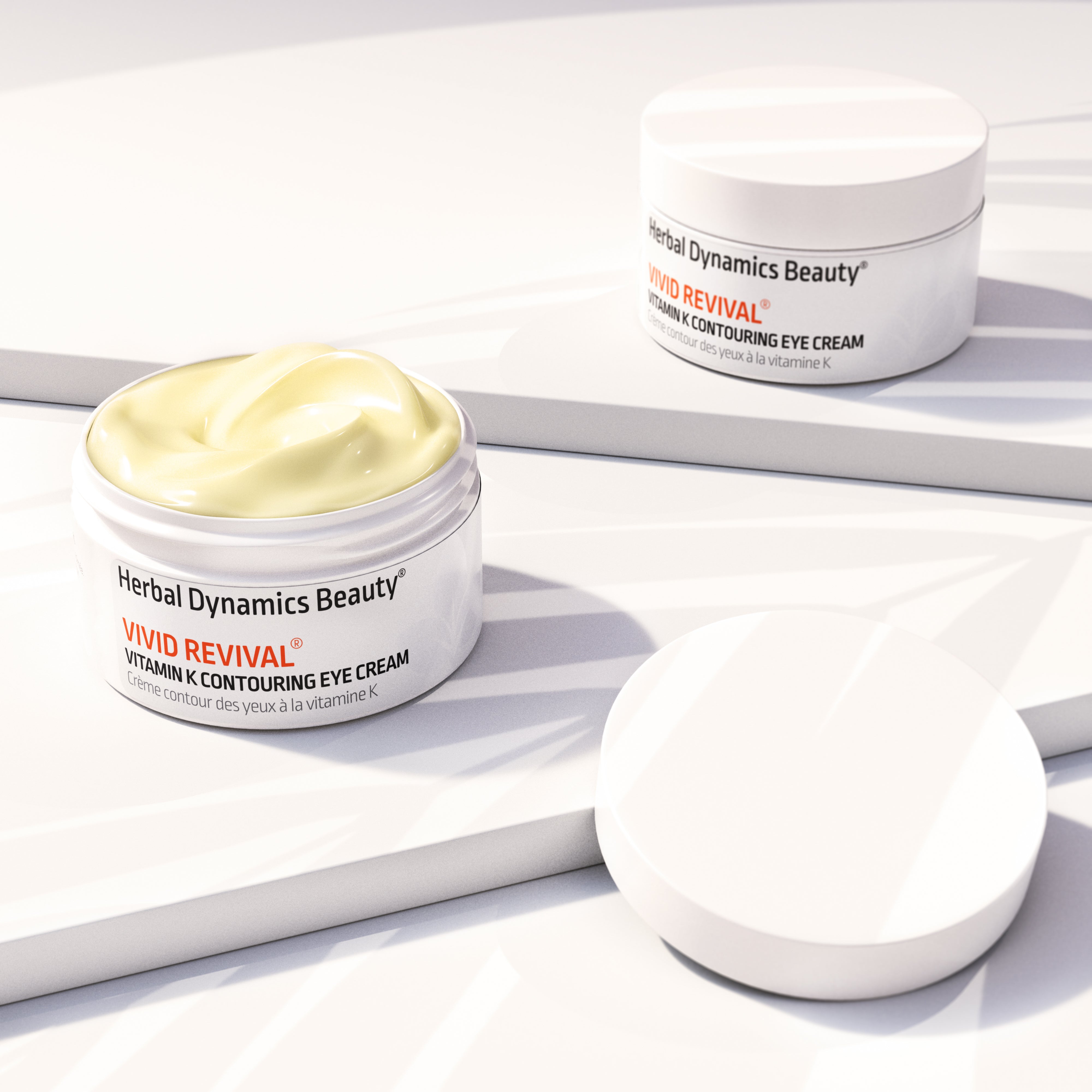
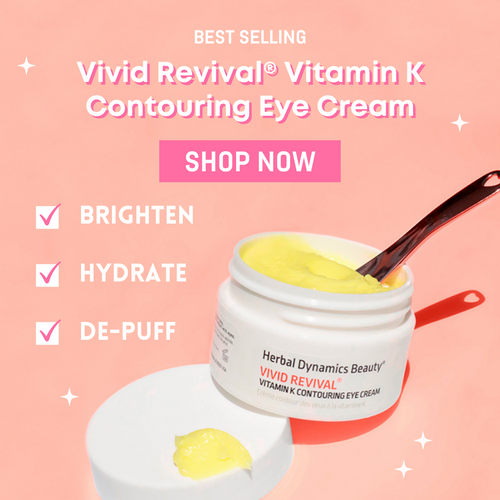
Herbal Dynamics Beauty Vivid Revival® Vitamin K Contouring Eye Cream is designed for mixed under-eye discoloration, puffiness and hydration rather than as a vitamin C treatment. If brown pigment is dominant, a well-tolerated vitamin C product, consistent sunscreen and irritation control may form a more targeted strategy.
Our best eye creams for dark circles guide helps match products to pigment, vascular color, dryness and structure.
Seek professional guidance for persistent dermatitis, worsening pigment, uncertainty about a new mark, or reactions to brightening products. Sudden one-sided darkening, pain, swelling or vision changes need prompt medical evaluation.
This article is educational and does not diagnose or treat a medical condition.