Your Cart is Empty

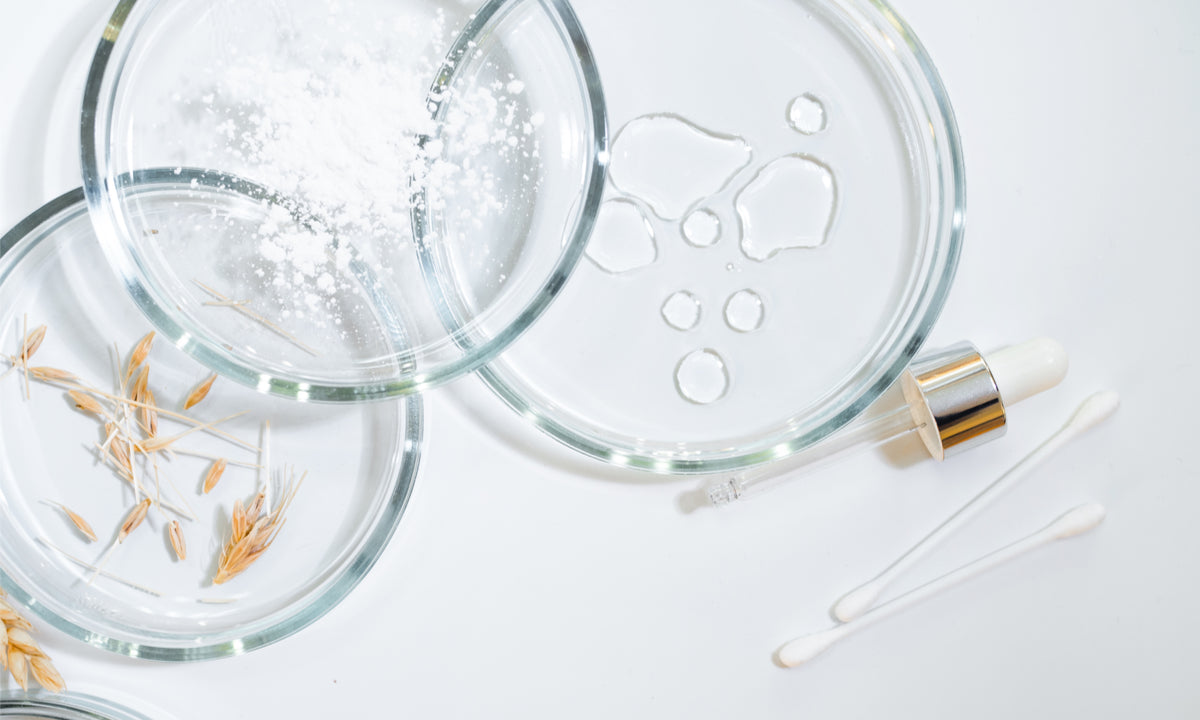
Sensitive skin describes reduced tolerance or uncomfortable sensations; irritation is a response to an exposure; allergic contact dermatitis involves an immune reaction to a substance. They can overlap, and a rash or burning sensation cannot reliably distinguish them at home. A product you used comfortably before can still become a problem.
| Concept | What it means | Limit of a symptom checklist |
|---|---|---|
| Sensitive skin | A description of how easily skin feels uncomfortable or reacts | It does not name a single cause. |
| Irritant reaction | Skin is affected by an irritating exposure, which can be cumulative | Both immediate and gradually developing patterns are possible. |
| Allergic contact dermatitis | A delayed immune reaction to a contact allergen after sensitization | Timing and appearance alone cannot confirm it. |
| Hives or immediate swelling | A different reaction pattern that may require a different assessment | Do not treat it as routine dryness or continue testing a suspect product. |
DermNet describes allergic contact dermatitis as a delayed contact reaction. Irritant contact dermatitis has a different mechanism. Repeated cleansing, friction or other exposures can contribute to irritation without proving allergy to one ingredient.
Consider changes in frequency, other products, shaving, weather and your skin's condition. Also check whether the formula or packaging has changed. Prior tolerance does not exclude a later allergy. The best clue is a careful exposure history, not a guess based on a single “bad ingredient.”
Products used elsewhere can matter, too. Hair products, fragrance or substances transferred by hands can contact the face. Keep a record of all recent exposures when symptoms recur, including cosmetics you would not initially classify as face care.
Fragrance and preservatives are among the recognized causes of cosmetic contact reactions. That does not mean every fragranced product causes allergy or every preservative should be removed. Preservatives help protect many formulas from contamination; the right response to a confirmed allergy is specific avoidance advice.
Useful active ingredients can also irritate without being universally harmful. Retinoids, exfoliating acids and acne treatments need appropriate directions and tolerability. See actives during irritation and review prescribed products with your clinician.
Gentle care for minor irritation and why moisturizer stings cover immediate cosmetic decisions. Do not repeatedly apply new products to an inflamed patch as a home allergy experiment.
Small-area use testing can help when introducing a new cosmetic on healthy skin. It cannot identify an allergen or rule out a future reaction. A dermatologist may recommend formal patch testing for recurring contact dermatitis and interpret the results alongside your exposures.
Breathing difficulty, throat tightness or swelling of the lips or tongue requires emergency care. Significant facial swelling, blistering, eye pain, vision changes, fever or rapidly worsening pain needs prompt assessment. Do not describe those symptoms as ordinary product adjustment.
For eyelid-specific reactions and placement, use the eye-cream irritation guide.
DNA material differs from a raw source extract, but a purification or vegan claim cannot establish an individual’s allergy risk. The finished formula may also contain unrelated irritants or allergens. PDRN irritation and allergy questions keeps those distinctions clear. The source guide explains what to verify; known allergies need clinician advice rather than reassurance from a category name.
A soothing plant label is not an exception to these distinctions. Centella reactions, irritation and breakouts explains how to assess a cica product that disagrees with your skin.
A polysaccharide fraction differs from a raw source ingredient, but that distinction does not document residual allergens in a finished product. Other ingredients can also cause discomfort. Beta-glucan reaction guidance keeps irritation and allergy separate. The oat-material guide explains why oat origin and purification marketing cannot clear a known oat allergy.
By Herbal Dynamics Beauty · Updated September 21, 2026.
General skincare education. Persistent, painful or worsening symptoms need professional assessment.