Your Cart is Empty
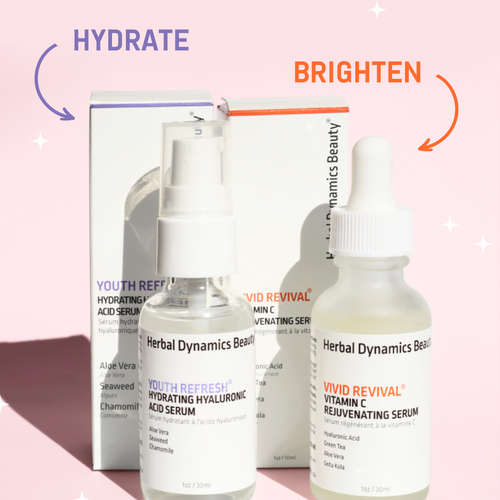


Hydration can make skin look temporarily plumper by increasing water in the outer layer, but topical products cannot permanently refill lost facial volume. For short-term softness, use humectants and moisturizer. For long-term photoaging concerns, sunscreen and evidence-based retinoids address different mechanisms.
Cosmetic plumping usually describes a smoother, more supple surface. When dehydration lines soften after moisturizer, that is a real appearance change—but it is temporary. Structural wrinkles, laxity and volume loss involve deeper changes that a basic serum cannot reverse.
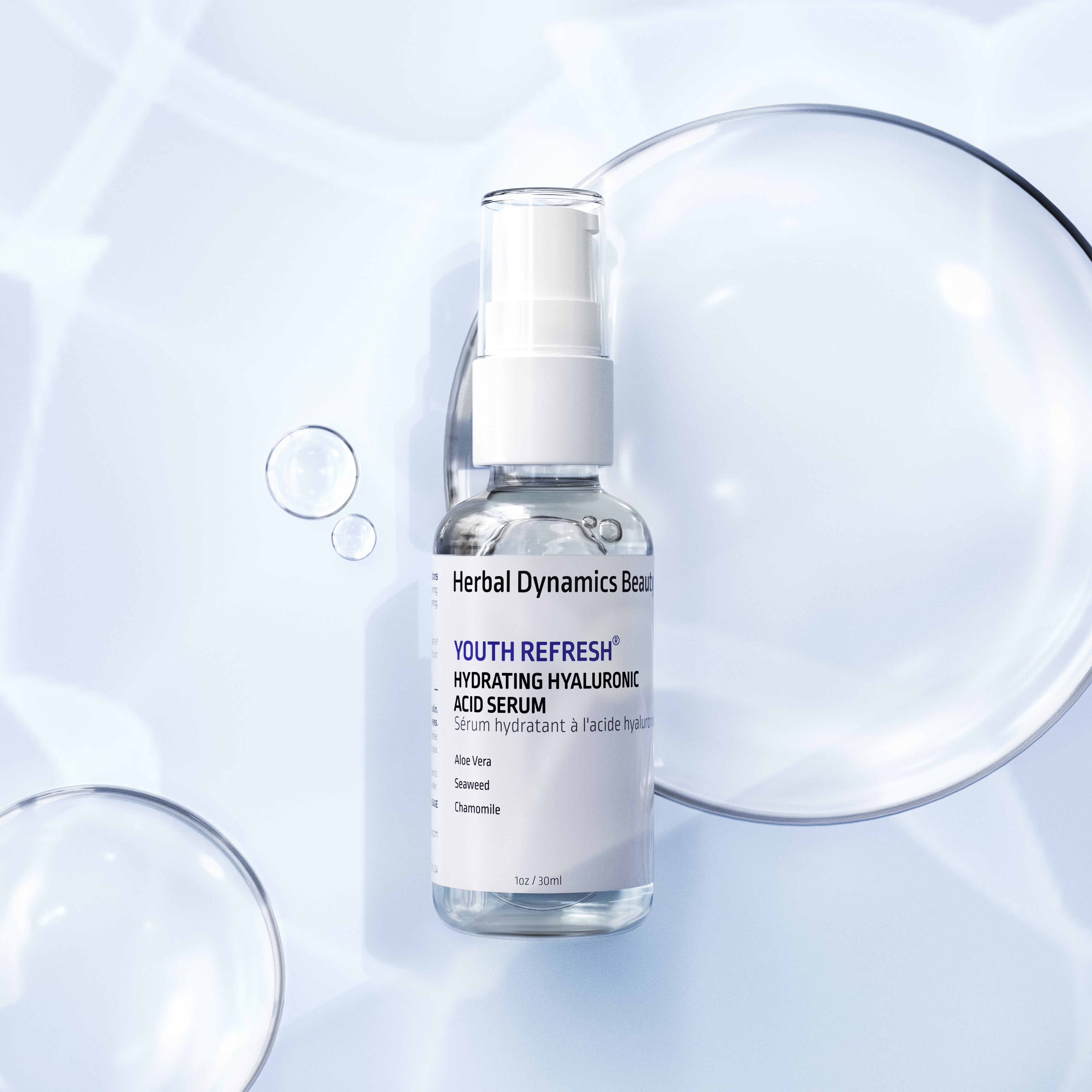
Topical hyaluronic acid can improve hydration and make dehydration-related lines appear temporarily softer. It is not the same as injected filler and does not rebuild lost volume. Read our hyaluronic acid evidence and limits guide.
Retinoids have stronger evidence for improving signs of photoaging over time, but they can irritate and are not appropriate for everyone. Start slowly, use moisturizer and follow professional advice for prescription products. People who are pregnant or trying to become pregnant should ask a clinician before using retinoids.
UV exposure contributes to collagen breakdown, uneven pigmentation and fine lines. A broad-spectrum sunscreen is not an instant plumper, but it helps prevent additional photoaging and supports every other long-term strategy.
Topical collagen generally acts as a film-forming or moisturizing ingredient; it does not simply replace dermal collagen. Peptide, vitamin C and device claims also vary widely. Evaluate each formula and evidence rather than treating “collagen” as a guaranteed outcome.
| Goal | Useful approach | Limit |
|---|---|---|
| Immediate surface softness | Humectant serum + moisturizer | Temporary |
| Prevent more photoaging | Daily broad-spectrum sunscreen | Does not reverse all existing change |
| Improve fine texture over months | Tolerated retinoid under guidance | Irritation and contraindications matter |
| Restore lost volume | Professional consultation | Not achieved by a basic topical serum |
Avoid using multiple strong exfoliants in pursuit of instant smoothness. Irritation can make texture and tightness worse. Seek professional advice for sudden skin changes or if you want procedural treatment.
Dermal fillers, lasers and other procedures target concerns beyond the reach of a basic moisturizer, but they carry costs and risks. Only a qualified medical professional can determine candidacy. Do not use a topical “filler” claim as proof of comparable results.
Correcting true systemic dehydration is important for health, but extra water is not a stand-alone treatment for a damaged skin barrier or structural wrinkles.
The smoother look from hydration is temporary and varies with the formula, environment and routine. Reapply according to product directions rather than chasing a permanent change.
Massage may temporarily change fluid distribution or relaxation, but it should not be presented as proven collagen reconstruction. Avoid aggressive pressure on irritated skin.