Your Cart is Empty


Dealing with eczema can be uncomfortable and exhausting. And when it appears on your face, it makes it even harder to ignore. But we're here to help! We’ve got everything you need to know about those dry, itchy patches of skin, including five ways to treat facial eczema naturally.
Eczema is an umbrella term for a common group of skin conditions that can cause the skin to become red, itchy, and inflamed. Over 30 million people in the United States have been diagnosed with some form of eczema.
Eczema, or atopioc dermatitis, is a condition in which the skin’s outer barrier is impaired, meaning the skin doesn't retain water like iit should. This causes the skin to appear dry, flaky, and sometimes even blistery (not to mention itchy). While eczema can have a genetic component, there are a variety of factors that can contribute to it -- like the environment and your body’s own immune response to it for example.
Eczema is a common skin condition that can occur on any part of the body, but most commonly found on the hands, inside the elbows, behind the knees, on the face and/or scalp. Symptoms tend to flare up periodically, causing your skin to become itchy, dry, cracked, sore and red. If you have uncomfortable, rash-like symptoms in one or more of these areas, it could be eczema.
And while there’s no direct link between diet and eczema, food allergies can often make it worse. In most cases, eczema is a chronic condition that tends to flare up periodically.
The general signs and symptoms of eczema will be the same regardless of where it appears on your body, your face included. And since it’s not uncommon for eczema sufferers to scratch and rub the areas affected by the rash, the skin can appear thickened and/or more pigmented in some areas of the body and face than others.
Facial eczema can be more difficult to manage. Not only is it more visible, but the skin on your face tends to be thinner and more reactive to the environment. If you have eczema on your face, stay away from products with fragrances, strong actives likeAHAs or retinols,sulfates, and certain preservatives.
Atopic: the most common form of eczema typically appearing on the cheeks, knees, and elbows
Seborrheic: a milder form of eczema also known as dandruff, found around the scalp, eyelids, eyebrows, and ears.
Allergic: allergens like fragrances and preservatives can irritate the skin on your face causing a rash
Irritant: triggered by things like harsh skincare products, similar to an allergic eczema rash but not a recurring problem
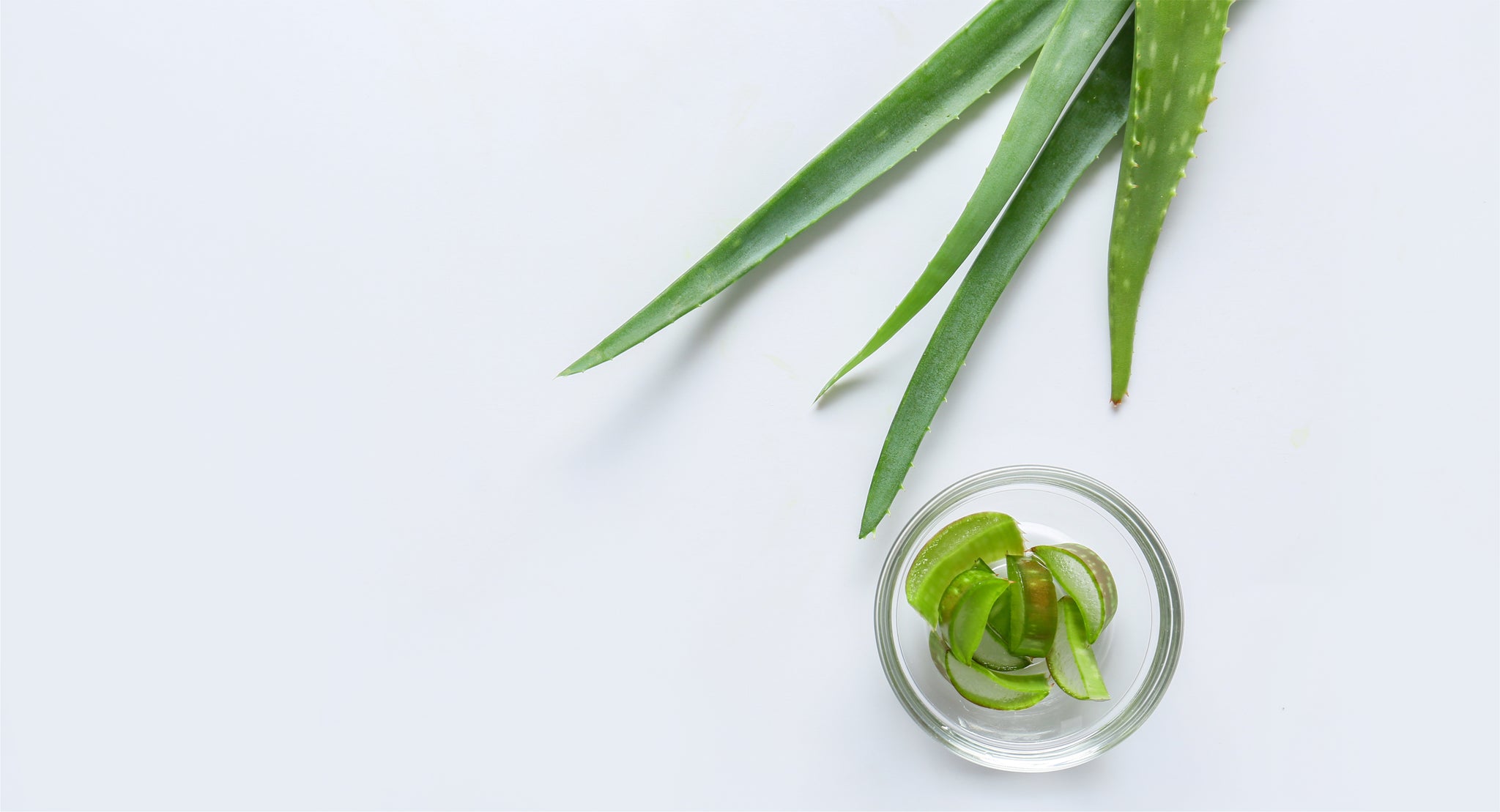
Aloe vera gel is derived from the leaves of the aloe plant. People have used aloe vera gel for centuries to treat a wide range of skin ailments, including eczema. Studies show that aloe vera has antibacterial, antimicrobial, immune system-boosting and wound-healing properties.
Using aloe vera during a facial eczema flare-up can prevent skin infections, soothe broken skin, and promote healing.
We’ve talked about the eczema soothing benefits of colloidal oatmeal before here. Colloidal oatmeal is made from oats that have been ground and boiled, extracting the skin-healing properties. Colloidal oatmeal has anti-inflammatory properties, resulting in less skin dryness, scaling, roughness and itchiness from facial eczema.
Coconut oil is widely known for its many health benefits and treating eczema is just one of its many. Coconut oil contains healthy fatty acids that add moisture to the skin, improving the health of the skin barrier and combating inflammation, making it an ideal natural treatment for facial eczema.
Honey is a natural antibacterial and anti-inflammatory agent, and people have used it to heal wounds for centuries. Honey speeds up wound healing and boosts immune system function, helping the body fight off infections. Using honey as a natural treatment for facial eczema helps prevent infections while moisturizing the skin and speeding healing.
Tea tree oil is derived from the leaves of the Australian tea tree, or the Melaleuca alternifolia. People have used this oil medicinally for ages. It’s still widely used to treat a variety of skin disorders, including facial eczema.
If you suffer from facial eczema, avoid irritating the inflamed skin as much as possible, and replace any harsh skincare products with more gentle formulas. If an eczema rash is present, wash your face using just warm water, until the rash has cleared up and only then return to using a gentle cleanser. If you’re in the middle of a facial eczema flare-up using a colloidal oatmeal, or one of the other natural treatments in this article, can significantly improve your symptoms.