Your Cart is Empty
Whether you’ve heard wonderful things about hyaluronic acid benefits for skin or you’re completely new to this ingredient, many of your beauty products will no doubt include it. So, what is hyaluronic acid and why is it beneficial to use it regularly?
Essentially, hyaluronic acid is an ingredient that adds moisture to your skin. By keeping your skin highly moisturized you prevent your skin from drying out, which causes fine lines and wrinkles to appear. Sufferers of dry skin conditions like rosacea and eczema can benefit from regular use of of this powerhouse ingredient.
As you get older, the skin on your face sags and loses its elasticity. Lines appear around your lips and eyes giving the appearance of looking older than you are. The reduction in the natural production of hyaluronic acid in your body contributes to the drying out of your skin. By the age of 40, you have 50% less hyaluronic acid being produced in your body which causes considerable changes to your skin's moisture.
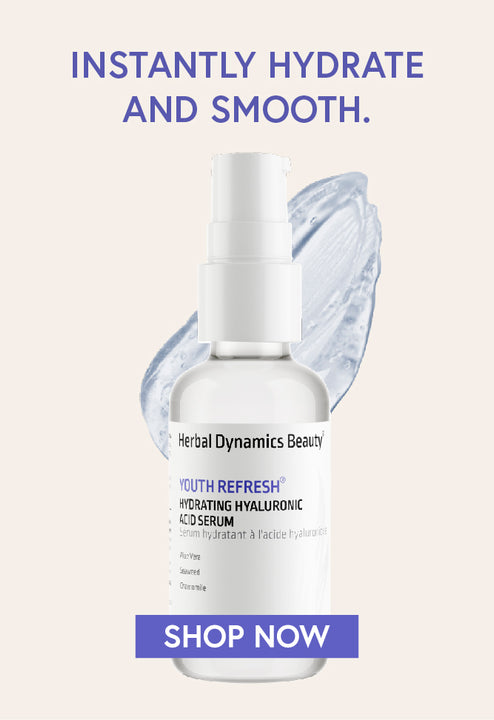
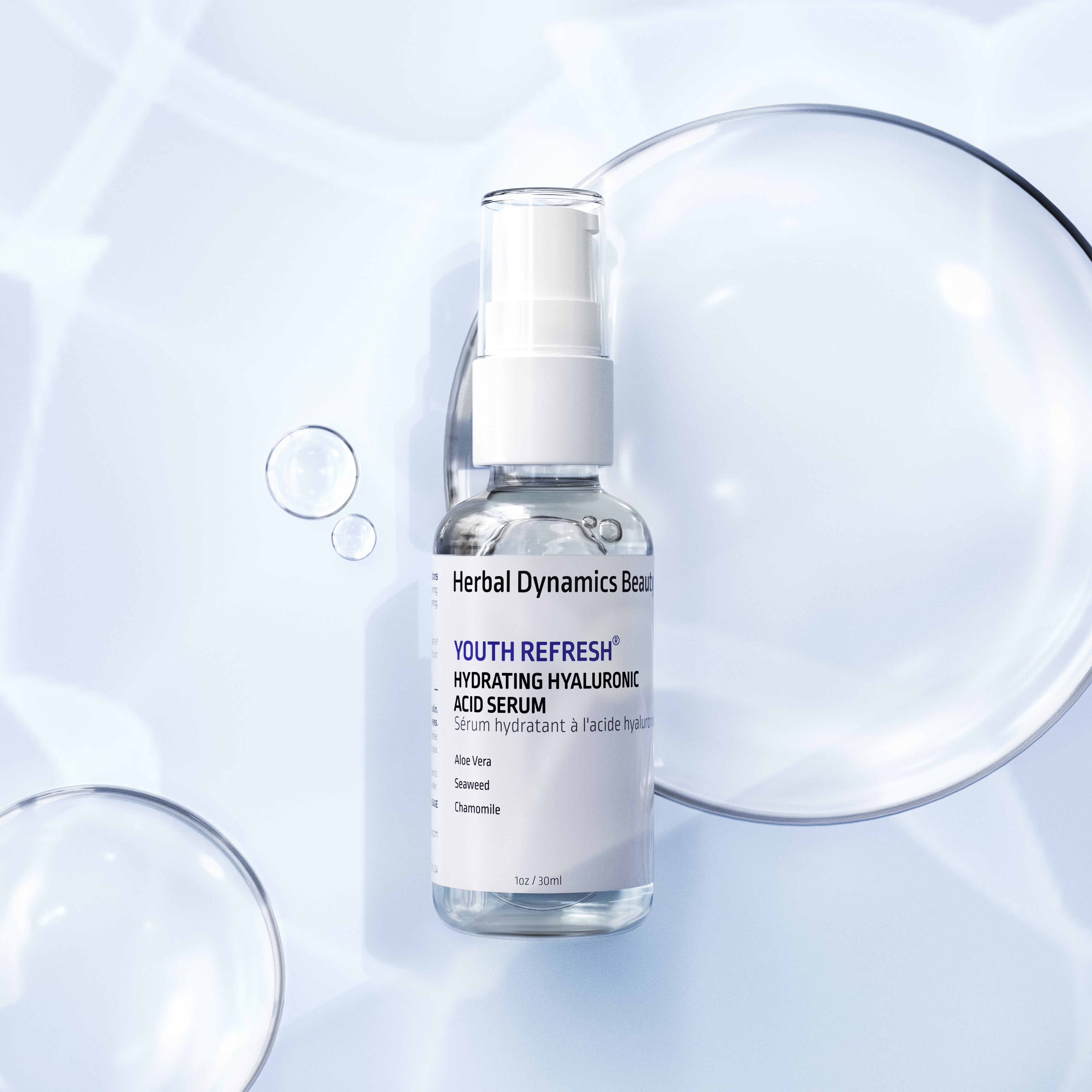
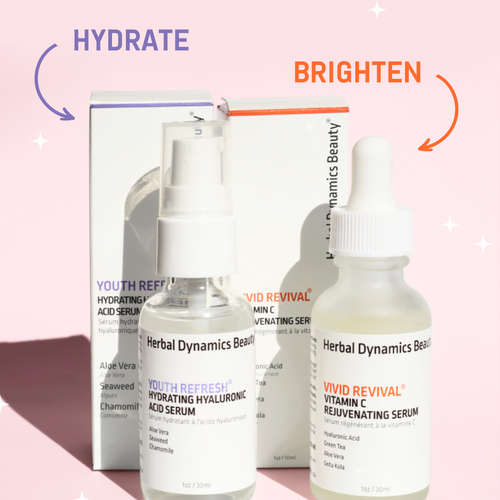
Although using an anti-aging moisturizer is beneficial to your skin, using a hyaluronic hydrating acid serum will help build a natural defense against fine lines and harsh conditions. When you use natural beauty products with hyaluronic acid in them, your skin is being moisturized, protected and layered with the natural ingredient already found in your skin's cells.
If you take care of your skin at a youthful age and keep it protected from the sun and harsh chemicals, you may never need to deal with the issue of fixing deep wrinkles as you age. How can you protect your skin and when should you start?
Ideally, you should begin to look after your skin from when you’re a teenager. But when you’re young, sometimes it feels like it’s way too much inconvenience to worry about protecting your skin. After all - it’s a long time before you need to think about wrinkles, right? Wrong! Antiaging processes within the skin begin to slow as early as your early twenties, and oxidative stress from the sun and other sources can start taking their toll early as well.
Hyaluronic acid is a gel-like molecule that holds moisture and is a naturally produced polysaccharide in the body. It keeps the skin supple and young looking. But as you age the volumes of hyaluronic acid diminishes, leaving you with dry and wrinkled skin.
So, to keep supple and wrinkle-free you need to replace the amounts of hyaluronic acid through your skincare regime. Alternatively, you can have it injected into your skin or digested in capsule form.
It is scientifically proven that hyaluronic acid intensifies the production of collagen. A study by the Hershey Medical Center in Pennsylvania produced results of the stimulation of hyaluronic acid injected into the skin and the rate at which collagen formed. Their results identified that within 24 hours the cell regeneration had increased in numbers to produce more collagen than any other results at that time.
These results show evidence that using hyaluronic acid in your skin care products will produce collagen that works to plump up your skin and fill out fine lines. Leaving your skin smooth and supple. As it’s a natural ingredient found in the body, there’s no chance of cell damage or a reaction to your skin.
Although if you’re in a dry humid, country this may have a detrimental effect on your skin as the hyaluronic acid pulls in moisture from the air. In drier climates, its best to layer a hyaluronic acid serum with richer moisturizers.
The damage the sun causes on your skin often shows up as dark spots, uneven skin tone, dry skin and wrinkles. Using skin care serums that have hyaluronic acid embedded in their ingredient list and natural serums containing the acid, will prevent your skin from these damaging effects. But, this should be used to support your suncare products, not as a replacement.
UVA causes the skin to burn and UVB goes deeper to cause skin damage like cancers, dark spots and wrinkles. UVA skin damage can pass undetected while causing considerable damage that may lead to skin cancer.
Once your skin is damaged it’s unable to produce the key elements that help to regenerate the skin.
Key elements being:
Protecting your skin from sun damage is the most efficient way to reduce your chances of developing prematurely aged skin.
The other way to get the benefits from hyaluronic acid are supplements and vitamins. These can help provide a plump appearance and prevent signs of aging, further complementing a good skincare routine.
Beauty supplements are very appealing to consumers with their ease of ingestion and their widespread availability. With so many on the market it’s difficult to choose the right one, but whatever one you choose, you’ll be helping to add moisture from within to aid your beauty routine.
Make sure the main ingredient in your capsules is hyaluronic acid. If you’re a vegetarian or vegan, it’s wise to check the supplements are suitable for you before you buy them.
As you’ve read, there are many ways to take hyaluronic acid. You have the choice to take it as a supplement every day, use it on your skin as a serum or a cream and to inject the gel into your skin. Each choice has its own pros and cons for every situation. For example:
You can take supplements in tablet or capsule form, many are too large to swallow leaving you with a choice of whether it’s a suitable alternative for you. Many are reasonably priced, and others are very expensive, leaving you wondering whether you’re getting a good quality product if you choose a lower priced brand.
Serums are a better choice as you apply it to your face morning and evening, no hassle. But some creams only have a tiny amount of hyaluronic acid within the ingredients list, leaving you feeling you’re not benefiting enough from the small amounts in the cream.
This choice is the most expensive option of the three. Yes, the injections straight into the problem area will plump up your skin and make it look smooth and younger looking. But you may not like the idea of having needles jabbed into your face to make you look younger and feel better about yourself.
The benefits of using hyaluronic acid on your skin far outweighs the misconceptions you’re led to believe in the media. If you see it as replacing the lost antioxidants and enzymes your skin craves to keep it moisturized, you’re on the right track to a healthy and balanced skincare regimen.
The overall conclusion is that hyaluronic acid benefits for skin include protection against wrinkles and fine lines and should be implemented before the wrinkles become too pronounced to allow your skin a good chance for repair.