Your Cart is Empty
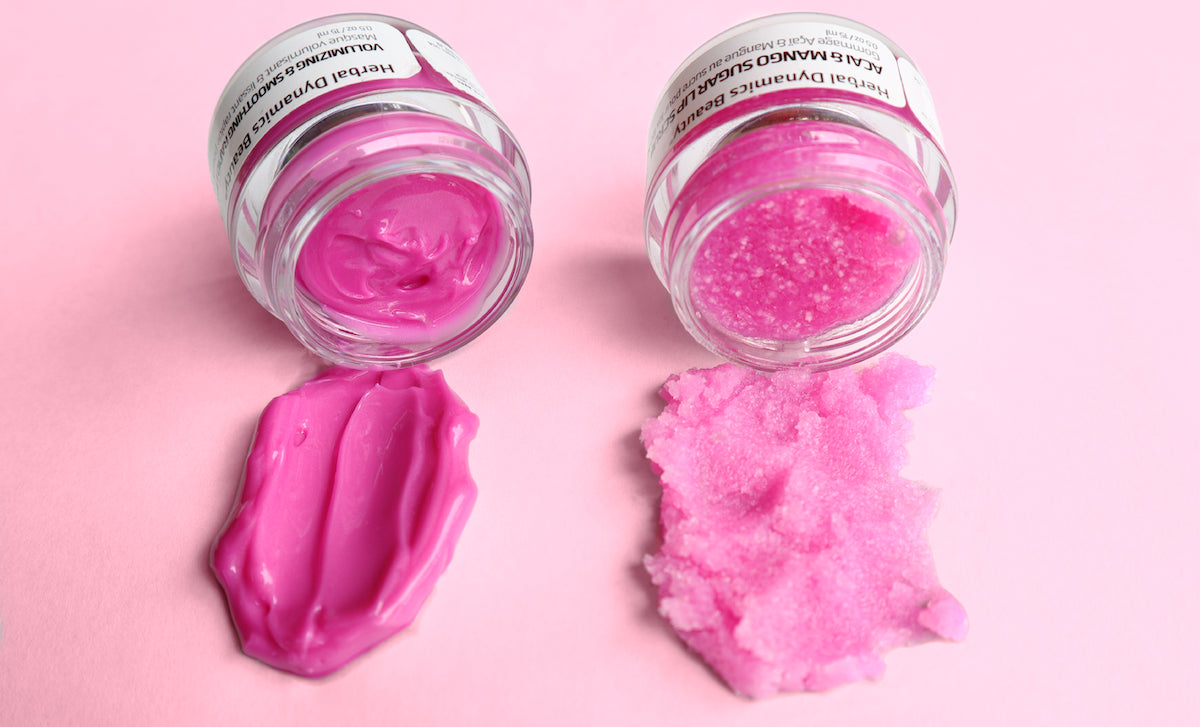
Lip treatments should be chosen by what your lips need: moisture, protection or a comfortable cosmetic finish. A mask, balm and ointment are formats, not a ranking of effectiveness. A simple, well-tolerated formula may be enough without a scrub or plumping step.
For dry lips, look for a comfortable emollient and occlusive base. Ingredients such as petrolatum, dimethicone or shea butter can help limit moisture loss. Humectants can also appear in lip formulas, but a water-binding ingredient alone does not tell you how protective the finished product will feel.
Compare the wear instructions, finish and ingredient list. A lip mask is not automatically more effective than a balm, and a thicker texture may be useful before bed while a lighter finish may suit daytime preferences. The hyaluronic acid guide and shea butter guide explain these different formulation roles. For background on a botanical used in lip cosmetics, read the Kiss-Me-Quick flower guide.
Burning or stinging is a reason to stop an irritating lip product. Fragrance, minty or cinnamon flavors and other personal triggers may be uncomfortable on chapped lips. Temporary cosmetic fullness is different from a lasting change in lip structure. A product-specific lip-treatment study cannot establish that every two-step system has the same effects.
Choose gentle moisturizing care when lips are cracked or sore. Avoid picking, biting or rubbing away flakes. Adding a scrub to an already uncomfortable routine can introduce another source of friction; it is not a required preparation step for balm.
For outdoor use, choose a lip product labeled SPF 30 or higher and follow its directions, including reapplication. An ordinary gloss, mask or botanical oil has no established SPF just because it feels protective. The sunscreen guide explains how labeled protection differs from ingredient claims.
Natural is not a substitute for checking intended use and tolerance. Choose a lip-specific formula, avoid known allergens and introduce one change at a time. If a product works comfortably, there is no need to add a mask, scrub and plumper solely to complete a set. Persistent or unusual lip changes warrant a clinician’s assessment.