Your Cart is Empty

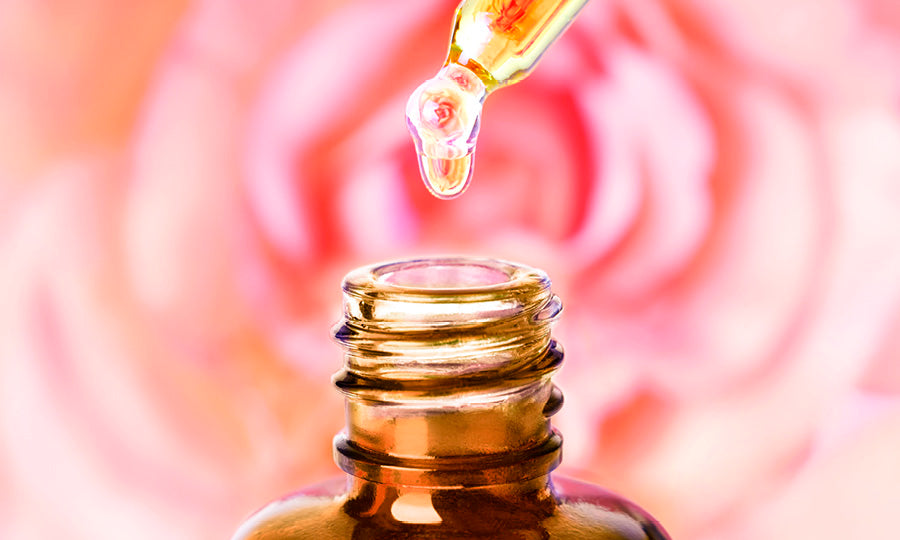
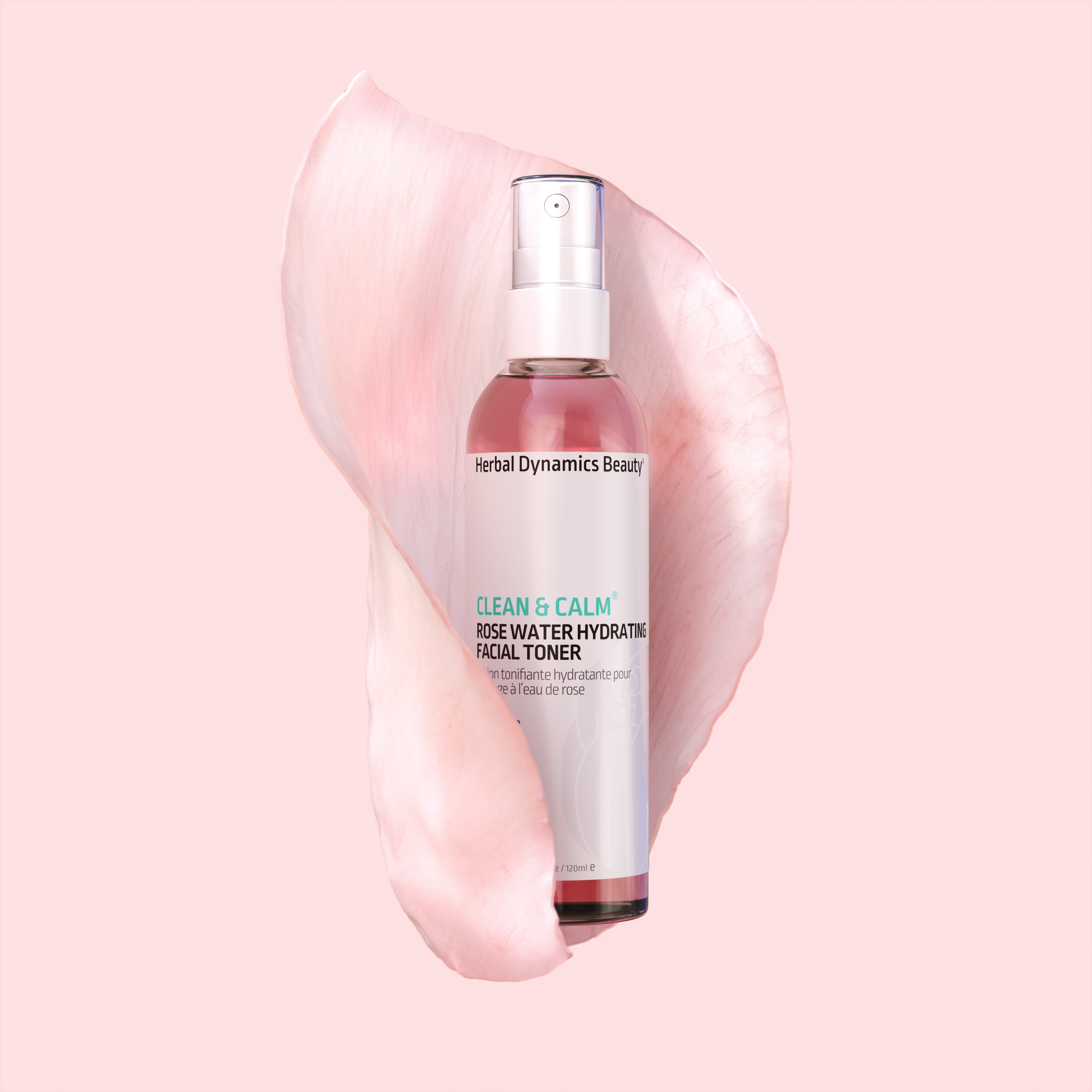
Rose water is a water-based ingredient often used in toners or mists; rosehip oil is a lipid-rich oil used for an emollient, softening step. Neither is the same as rose essential oil. Choose according to texture and comfort, rather than assuming all rose products share the same benefits.
| Question | Rose water or rose toner | Rosehip oil |
|---|---|---|
| Main routine role | Light refreshing or hydrating step, depending on formula | Emollient step for softness and a more lubricated feel |
| Texture | Usually watery | Oily; finish varies by product |
| Where it fits | After cleansing, before moisturizer | According to the label, commonly with or after moisturizer |
| Does it replace moisturizer? | Usually not | May add softness, but does not supply the same water-and-lipid mixture as a moisturizer |
| Main selection concern | Full formula, fragrance and preservation | Freshness, packaging, tolerance and finished formulation |
Chemical analysis of commercial rosehip oils identifies fatty-acid and other compositional differences among samples. A composition study is not a clinical trial proving that any oil clears acne or fades scars. Research on rose water also uses particular preparations; it cannot automatically establish results for another product.
Rosehip oil should not be sold to yourself as a guaranteed “natural retinol.” An oil is not interchangeable with a standardized retinoid treatment. Similarly, rosehips as food being associated with vitamin C does not make their seed oil a vitamin C serum. Keep the expected benefit centered on the product's actual formulation and cosmetic role.
If you want a light layer before moisturizer, a tolerated hydrating toner may fit. If your skin still feels rough or lacks slip after moisturizer, an oil-based product may be worth considering. If your current routine already feels comfortable, neither is necessary.
For oily or acne-prone skin, a simple comedogenic score cannot guarantee how a finished oil will behave on your face. Introduce one change at a time; stop if it repeatedly aggravates your skin. For reactive skin, fragrance and known plant allergies may be more useful selection criteria than the plant's reputation.
Yes, if both products are appropriate and tolerated. A typical sequence is gentle cleansing, optional water-based product, moisturizer, then an oil when its directions call for it. Finish morning skincare with sunscreen. Avoid stirring oils or extra water into the original product bottle because that changes the formulation.
See how to apply rose water and the skincare-layering guide for order questions.
Rose essential oil is a concentrated aromatic material. It is not a substitute for rosehip oil as an everyday facial emollient, and adding it to water does not create a properly formulated toner. Use a finished cosmetic rather than an improvised essential-oil blend.
For the label differences, read rose flower water, extract and oil. For where a water-based step belongs, return to the facial-toner guide.
Updated September 20, 2026. General skincare education.