Your Cart is Empty
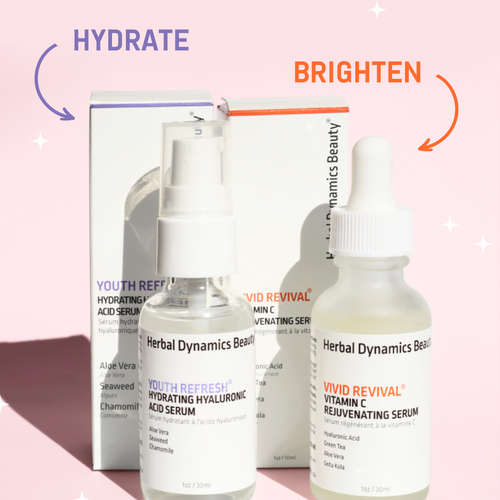
The best hydrating toner for dry or dehydrated skin is a comfortable formula with humectants such as glycerin or hyaluronic acid, used alongside moisturizer. A toner can add a light layer, but it will not replace all the functions of a cream or fix every cause of dullness.
A face can be oily yet feel dehydrated, while dry skin often benefits from both water-binding and emollient support. The practical question is what remains uncomfortable after your basic routine. Start with dry versus dehydrated skin rather than assuming a spray is always the answer.
| Feature | Why consider it | What to check |
|---|---|---|
| Glycerin, hyaluronic acid or other humectants | Help a formula bind water in the outer skin | Comfort, finish and whether another step already supplies them |
| A non-exfoliating role | Adds moisture without automatically adding an acid treatment | Do not mistake all products called toner for hydrators |
| A formula you tolerate | Allows consistent use without stinging | Fragrance, alcohol and known botanical triggers |
| A practical applicator | Makes a small, even application easier | Hands, pad or mist according to the label |
A review of glycerol in skin physiology supports its hydration role. It does not establish the performance of a particular toner from ingredient order alone. Hyaluronic acid molecular weight or a large percentage claim is also not a stand-alone ranking of the complete product.
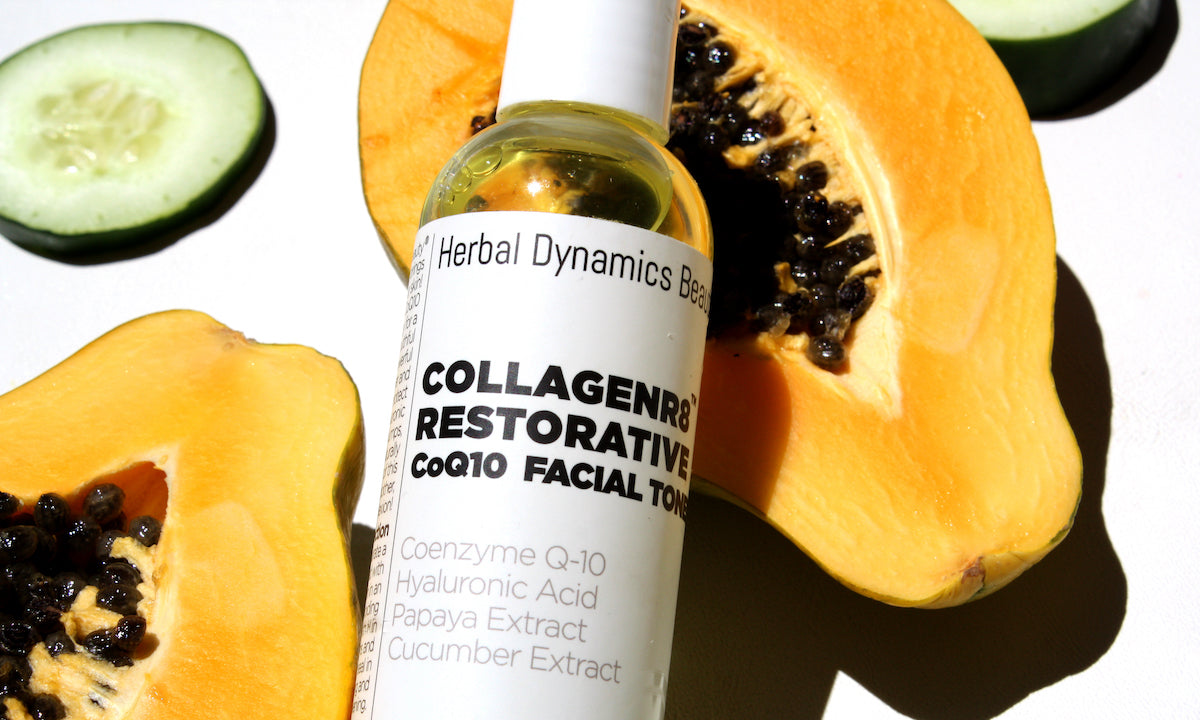
CollagenR8® Restorative CoQ10 Facial Toner contains aloe, hyaluronic acid, ubiquinone and botanical extracts. It may fit a routine that would benefit from a light extra layer and tolerates those ingredients. We are not presenting finished-product measurements proving a particular duration of hydration or wrinkle reduction.
It contains orange flower, chamomile and other extracts, so a reactive face should review the full formula rather than assume botanical means gentle. See the CoQ10 toner guide and the sensitive-skin buying guide. For a fragrance-free comparison option, use the main toner buying guide.
If dullness accompanies tightness or surface flaking, comfortable hydration may improve how smooth and supple skin looks. That is different from removing persistent pigmentation or changing deeper lines. Do not respond to all dullness by adding an acid toner on top of a scrub and a retinoid.
If exfoliation is the actual goal, compare hydrating and exfoliating toners. For uneven tone, the existing vitamin C and dull-skin guide owns that separate question.
Both are product formats that can contain humectants. Using both does not automatically double hydration. Choose the texture you enjoy and assess the whole routine. The hyaluronic acid serum selection guide covers serum choices; toner versus serum helps decide whether a second layer adds value.
If it leaves skin sticky, irritated or no more comfortable, reduce unnecessary layers or omit it. Persistent cracking, itching or rash deserves assessment. The toner overview and application guide explain the optional role.
Updated September 20, 2026. General skincare education.