Your Cart is Empty

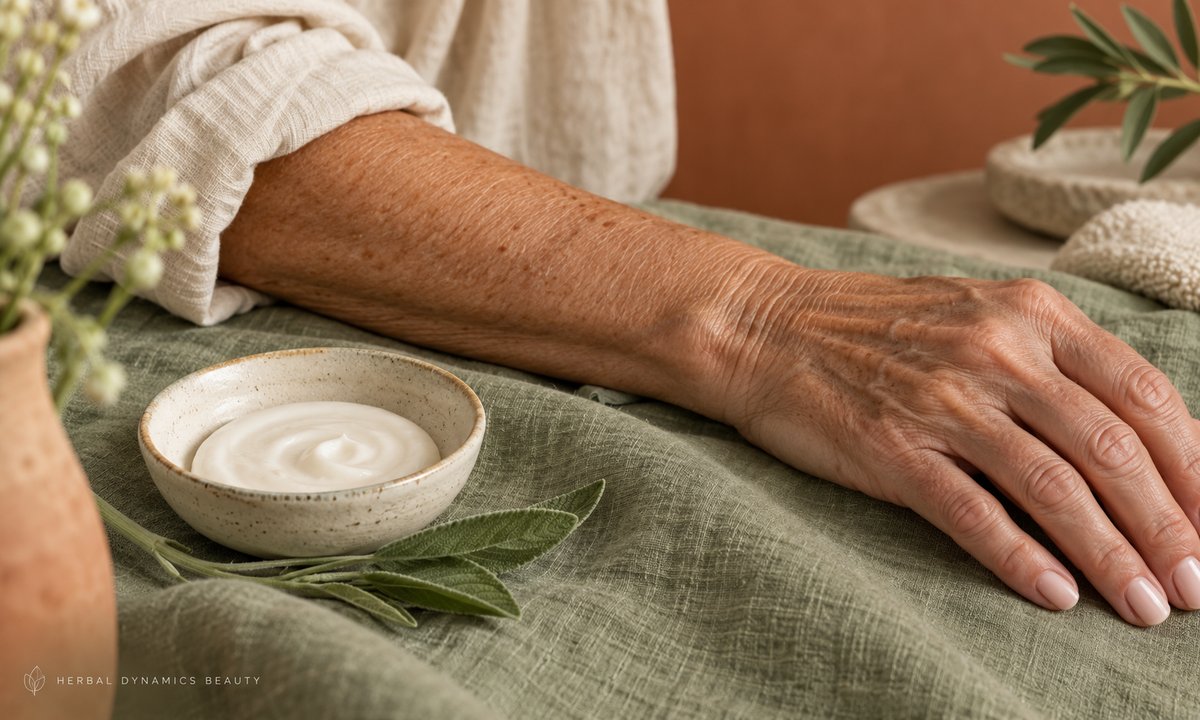
Skincare over 50 often benefits from reassessing moisture, tolerance and the concerns you actually want to address. Keep sun protection and a comfortable moisturizer dependable before adding a line- or tone-focused product. You do not need a stronger active simply because you are in your 50s.
This guide focuses on reassessing an established product set. The mature-skin guide explains age-related changes, while menopause and skin covers the hormonal context separately.
A cleanser that once felt comfortable may now leave tightness; a multi-active routine may become difficult to tolerate. Weather, medicines, skin conditions and hormone-related changes can all matter. Age alone cannot tell you which explanation applies.
A useful first review is what happens after washing, whether basic moisturizer feels comfortable and which part of the face remains dry. If dryness persists, the dry mature-skin guide explains why another serum may be less useful than changing the moisturizing base.
| Current priority | Product-set adjustment |
|---|---|
| Dryness | Review gentle cleansing and the complete moisturizer before adding actives. |
| Uneven-looking tone | Keep protection consistent; choose a tolerated tone-focused ingredient. |
| Fine lines | Distinguish moisture-related creases from persistent photoaged changes. |
| Reduced firmness | Assess cosmetic limits before paying for lifting language. |
| New sensitivity | Remove unnecessary extras and discuss persistent symptoms. |
The mature-skin moisturizer guide compares textures. Firmness guidance separates surface appearance from lost volume or deeper support.
For people experiencing the menopausal transition, changing estrogen levels can influence dryness, skin structure and tolerance. Timing and symptoms vary. Skincare can address some surface needs, but a cosmetic does not treat menopause or restore hormone levels.
Do not assume a new rash, persistent itch or abrupt skin change is simply hormonal. A clinician can assess it and discuss any medical treatment. The ingredient choice comes after identifying a practical cosmetic need.
If you tolerate botanical creams, Youth Refresh® Prickly Pear Antioxidant Daily Moisturizer combines moisturizing ingredients including glycerin, emollients and shea butter. RevitAge™ Antioxidant Transforming Night Cream offers a different evening texture with glycerin, squalane and dimethicone. Both list retinyl palmitate; the night cream lists sweet orange oil. Neither is presented as a prescription-strength wrinkle treatment or an automatic sensitive-skin choice.
Use glycerin, squalane and ceramide education to understand formula roles rather than buying one product for every ingredient.
Sun-related pigmentation and other forms of uneven tone are not interchangeable. New, changing, bleeding or nonhealing spots need assessment. Once the concern is appropriate for cosmetic care, pigmentation ingredient selection explains Vitamin C, niacinamide, alpha arbutin and other categories.
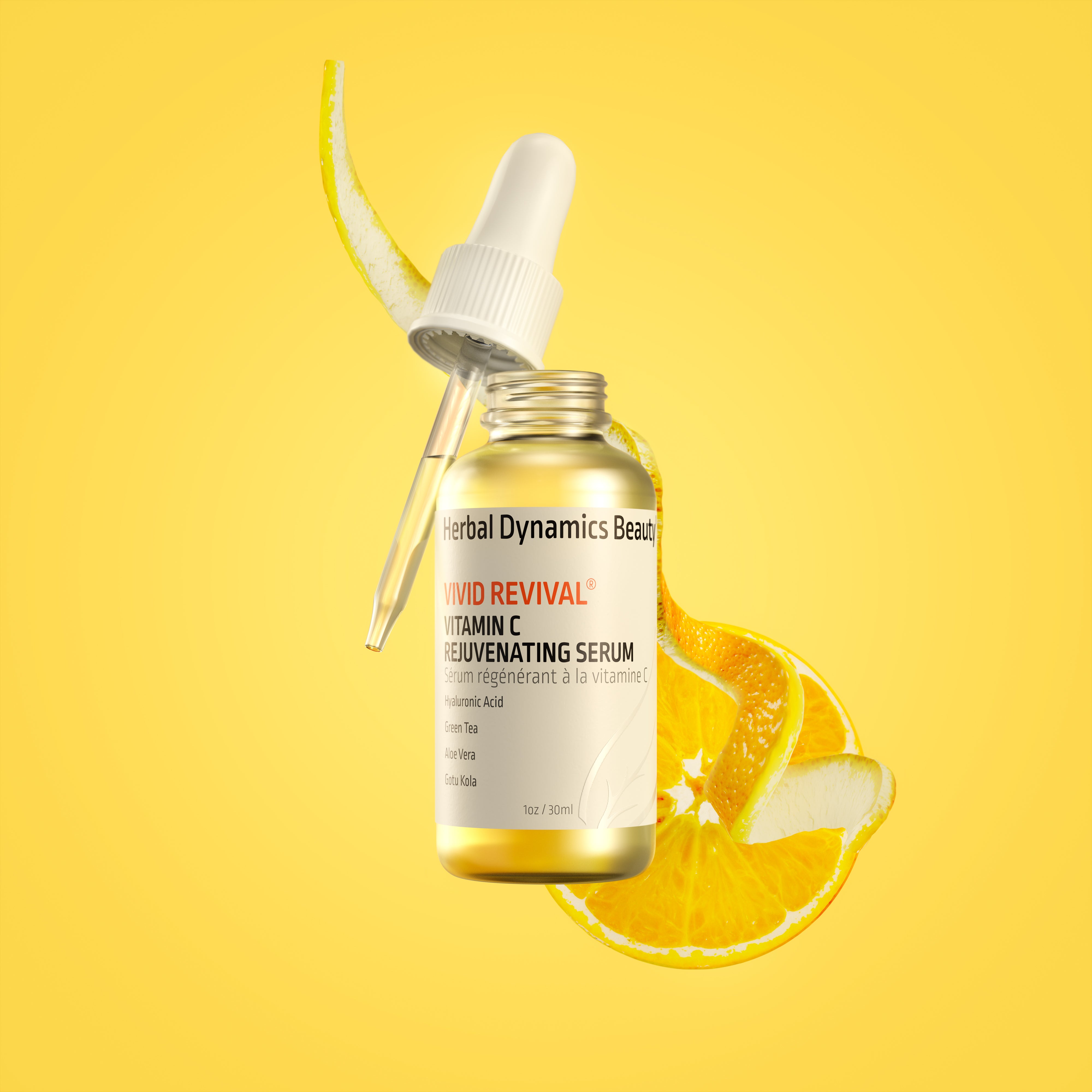
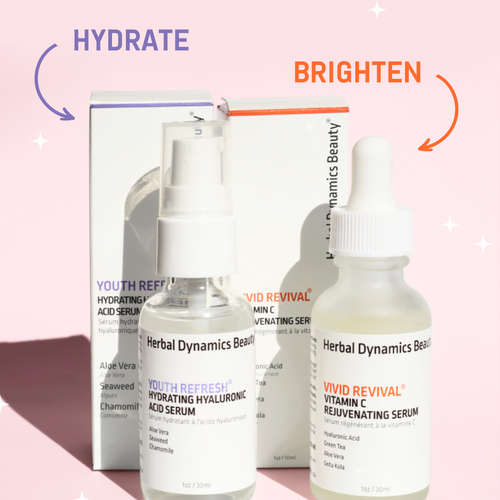
Vivid Revival® Vitamin C Rejuvenating Serum is an optional ethyl-ascorbic-acid formula for an antioxidant and more even-looking-tone goal. It does not replace sunscreen or establish that an unidentified spot is harmless.
Use the existing mature-skin routine for order and timing. If adding an active, follow its instructions and introduce changes separately. Sunscreen, moisturizer and a comfortable schedule remain higher priorities than building the largest product set. Return to the mature-skin selection guide before making several purchases.
This article provides general skincare education. A qualified clinician can assess persistent symptoms, changing lesions and prescription-treatment decisions.
Product disclosure: Herbal Dynamics Beauty makes and sells the products linked here. Formula descriptions explain a possible cosmetic role; they do not establish clinical results for these finished products or an endorsement by the medical organizations cited.
By Herbal Dynamics Beauty · Updated October 4, 2026.