Your Cart is Empty

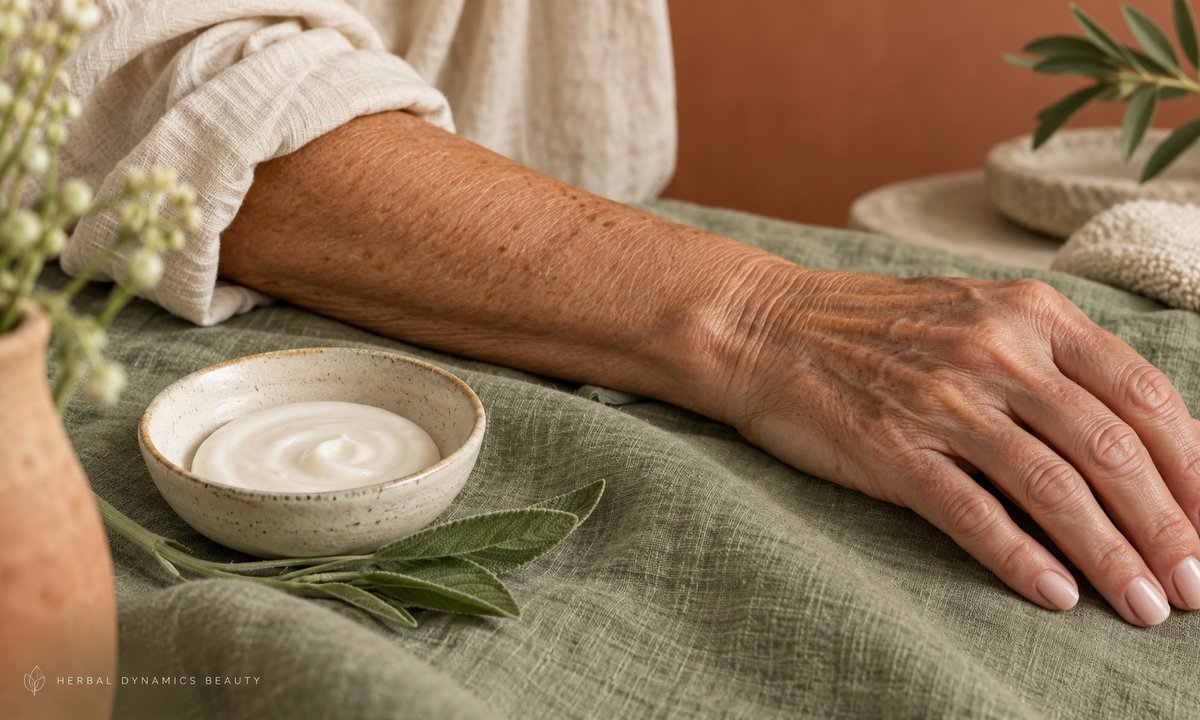
Mature skin is a descriptive skincare term for skin whose needs or appearance have changed with time. It is not a diagnosis or a skin type that starts on one birthday. Dryness, more visible lines, uneven tone or reduced firmness may become priorities; comfortable cleansing, moisturizer and sun protection remain useful foundations.
Choose care around the concern you want to address. Some mature skin is still oily or acne-prone. An age label cannot determine your sensitivity, your medical history or the right active ingredient.
| Change | What it may mean for care |
|---|---|
| Water retention and surface lipids | A comfortable moisturizer may become more useful than another exfoliating step. |
| Barrier recovery | Skin may tolerate repeated irritation less well; introduce optional actives carefully. |
| Collagen and elastic tissue | Fine lines and laxity can become more visible, with limits to what cosmetics can change. |
| Turnover and texture | Roughness can have several causes; stronger exfoliation is not automatically the answer. |
| Sebum and pigmentation | Oiliness and uneven tone vary; choose for current skin rather than age alone. |
Dermatology research distinguishes chronological change from accumulated environmental exposure. Barrier-challenge research has also found slower recovery in older participants. Neither observation means every older person's skin is damaged, or that a cosmetic can reverse the underlying biology.
Intrinsic aging reflects changes with time. Photoaging adds the effects of repeated ultraviolet exposure, which can affect pigment, texture and the skin's support system. Their visible effects overlap. The photoaging guide explains the UV-related component; collagen and elastin covers the structural explanation.
Sun protection remains useful even when lines or spots are already visible. Use a labeled broad-spectrum SPF 30 or higher, follow application and reapplication instructions, and include shade and clothing. Antioxidants do not substitute for sunscreen.
Moisturizing can make a dry surface look smoother. That is different from changing a persistent wrinkle, replacing lost facial volume or physically lifting tissue. Start with dehydration lines versus wrinkles or the fine-line guide before buying several products for the same goal.
For a tone-focused decision, compare alpha arbutin, topical tranexamic acid and azelaic acid through their existing evidence guides. Choose for the type of pigmentation and tolerance rather than adding every brightening category.
Keep cleansing, moisture and daytime protection dependable, then add a targeted step only for an unmet need. Use the existing mature-skin morning and evening routine and product-order guide for the full sequence. This concern guide does not require a longer routine.
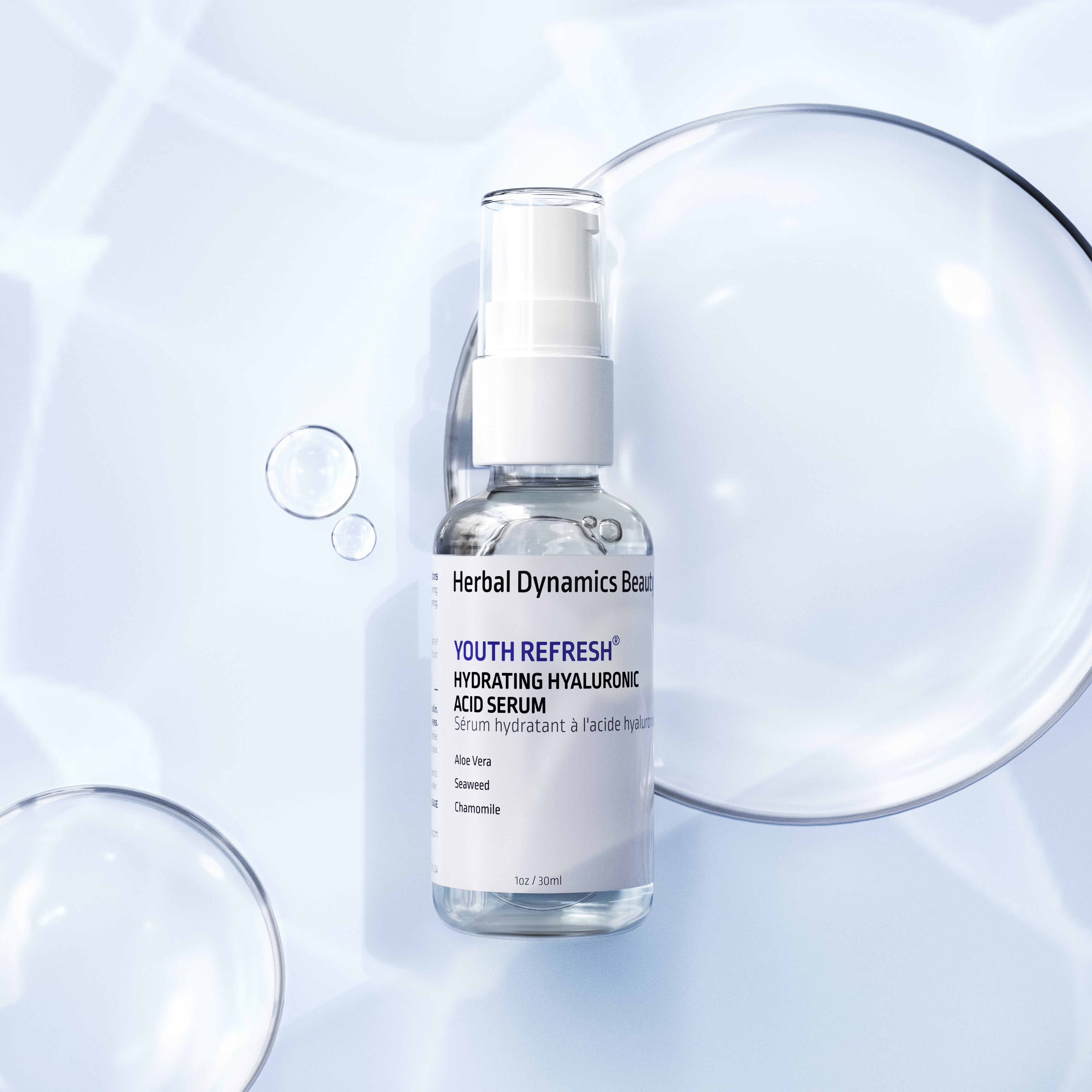
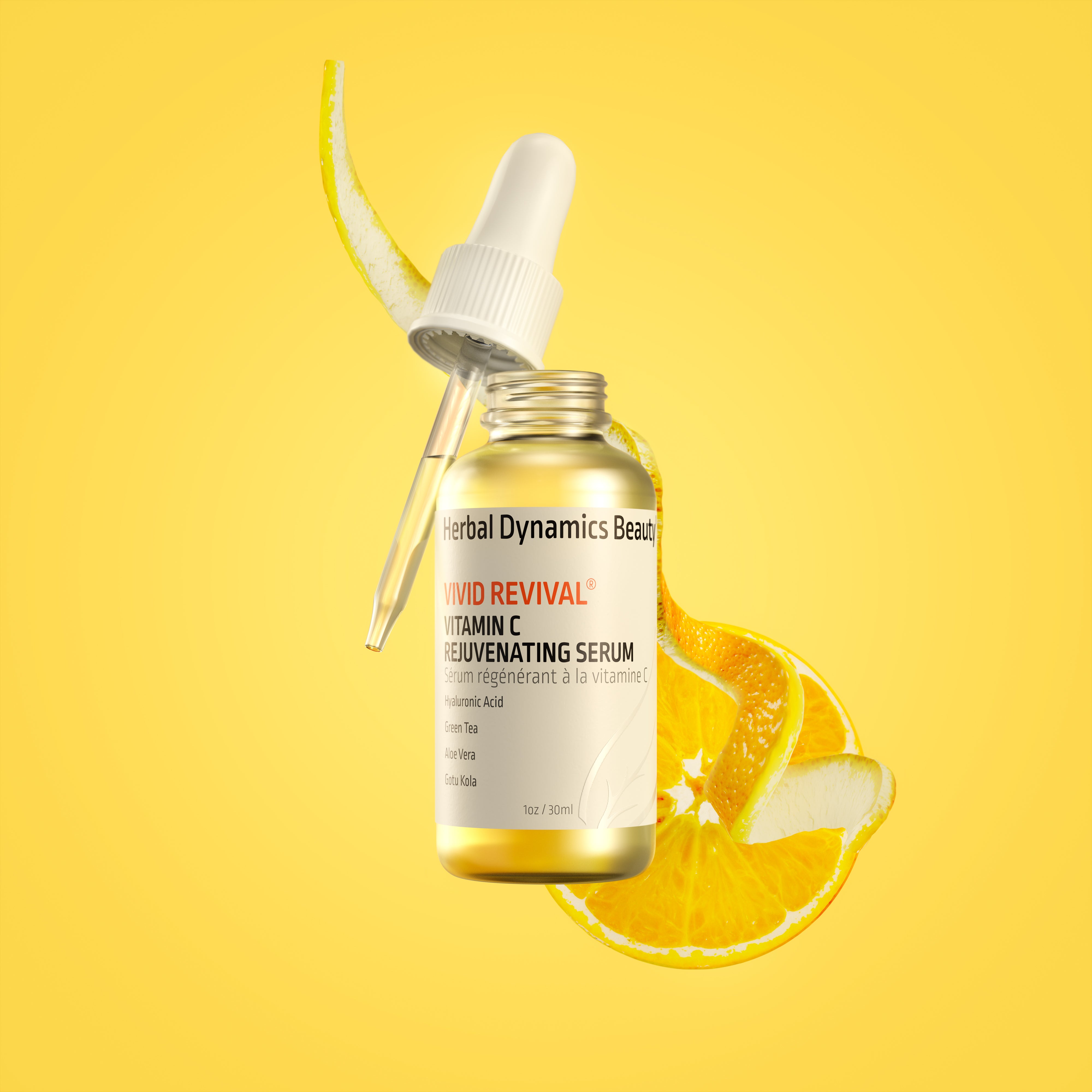
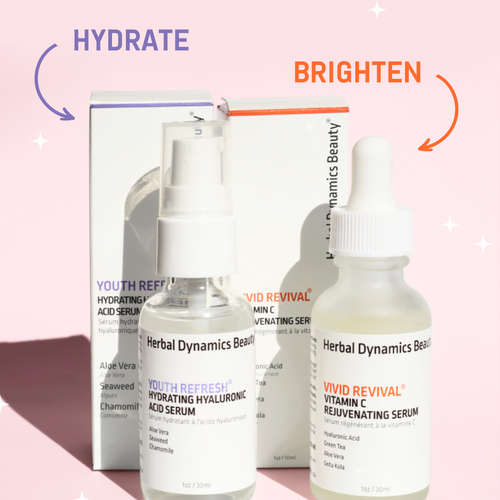
For an optional hydration step, Youth Refresh® Hydrating Hyaluronic Acid Serum contains hyaluronic acid, glycerin and sodium PCA. For an antioxidant-focused step, Vivid Revival® Vitamin C Rejuvenating Serum contains ethyl ascorbic acid and green tea. Consider the complete formula and your tolerance; neither restores facial volume or replaces sunscreen.
The 40s, 50s and 60s guides below address different decisions rather than prescribing a stronger cream for each decade. Menopause-related hormonal changes can influence skin, but age alone cannot identify their cause. Persistent dryness, new sensitivity, unexpected bruising or a rash deserve their own assessment.
| Focus | Guide |
|---|---|
| Choosing a complete product set | How to choose skincare |
| Your 40s | Balance new goals with existing skin needs |
| Your 50s | Reassess moisture, tolerance and tone |
| Your 60s | Prioritize comfort and practical application |
| Menopause | Understand skin changes |
| Dryness | Why skin may become drier with age |
| Serums | Choose a serum category |
| Moisturizers | Choose a comfortable cream |
| Cleansers | Choose a gentle wash |
| Optional toner | Decide whether toner adds value |
| Optional mask | Compare moisturizing formats |
| Sun protection | Choose a usable sunscreen |
| Under-eye care | Choose by eye-area concern |
| Firmness | Understand topical limits |
| Crepey texture | Care for finely crinkled skin |
| Mouth-area lines | Distinguish lines from folds |
| Dry surface creases | Separate dehydration from wrinkles |
| Facial fine lines | Compare causes and options |
| Photoaging | Understand cumulative UV exposure |
| Aging myths | Set useful expectations |
| Neck, chest and hands | Adapt care to the body area |
Ferulic photoaging evidence separates controlled UV and professional-procedure studies from daily serum results. Ferulic serum selection checks stability, formula and tolerance. Choose it for a clear role, alongside adequate moisturizing and sun protection.
This article provides general skincare education. A qualified clinician can assess persistent symptoms, changing lesions and prescription-treatment decisions.
Product disclosure: Herbal Dynamics Beauty makes and sells the products linked here. Formula descriptions explain a possible cosmetic role; they do not establish clinical results for these finished products or an endorsement by the medical organizations cited.
By Herbal Dynamics Beauty · Updated October 4, 2026.