Your Cart is Empty
Quick answer: Hyperpigmentation happens when an area develops more melanin or pigment is distributed differently. Common triggers include inflammation, acne, ultraviolet and visible-light exposure, hormones, skin injury and certain medications. The pattern matters because prevention and treatment differ by cause.
Melanocytes make melanin and transfer it to surrounding skin cells. This pigment helps absorb ultraviolet radiation, but signaling from inflammation, hormones and light exposure can increase production or create uneven distribution. Deeper pigment often appears gray or blue and can be slower to improve than surface brown pigment.
For one ingredient studied in relation to this pathway, the alpha-arbutin guide distinguishes laboratory activity from human evidence and explains where an optional cosmetic may fit.
For another signaling-focused ingredient, the topical tranexamic-acid guide connects the proposed mechanism with clinical evidence and practical skincare decisions.
| Type | Typical trigger or pattern |
|---|---|
| Post-inflammatory hyperpigmentation | Flat brown, gray or purple marks after acne, eczema, a burn, picking or another injury |
| Sun-induced spots | Localized marks on chronically exposed areas |
| Melasma | Symmetrical facial patches influenced by light, hormones and genetic factors |
| Medication- or condition-related pigment | New or widespread change associated with a medicine or health condition |
All skin tones can develop discoloration, but post-inflammatory hyperpigmentation is often more frequent or persistent in melanin-rich skin. Visible light can also contribute to melasma and pigmentation. Learn more in hyperpigmentation across different skin tones.
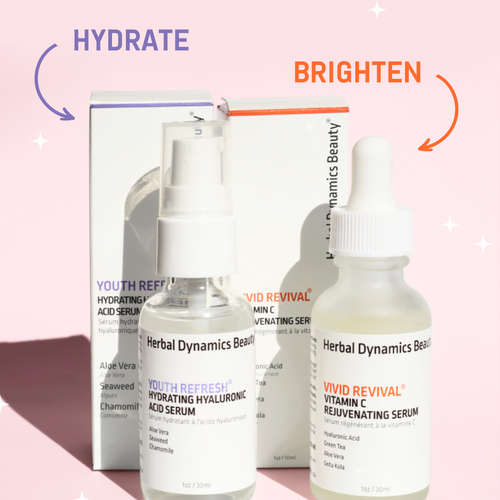
Vitamin C offers antioxidant and cosmetic brightening support, but it does not identify the cause. Use the vitamin C serum for dark spots routine after you understand the pattern, and compare other options in the ingredient guide for hyperpigmentation.
Arrange an evaluation for a rapidly changing or irregular lesion, a mark that bleeds, widespread unexplained pigmentation, a change after medication, suspected melasma, or discoloration that persists despite gentle care. Early diagnosis matters more than trying another cosmetic serum.
This page is educational and cannot diagnose a pigmented lesion or medical condition.
Niacinamide for dark spots and post-blemish marks explains pigment-transfer evidence and its limits. For choosing between ingredient categories, retain the vitamin C, niacinamide, alpha arbutin and retinol comparison.
Retinol for dark spots separates cosmetic evidence from prescription-retinoid studies and explains why irritation can work against a more even-looking tone.
For a non-retinoid cosmetic, bakuchiol for dark spots and post-acne marks reviews its more limited evidence and distinguishes pigment changes from structural scars.
Azelaic acid for dark spots and post-acne marks explains the pigment evidence and distinguishes flat brown marks from redness and scars. Use the azelaic-acid selection guide to evaluate a formula without assuming that a higher percentage is better.
The mature-skin guide places pigmentation alongside moisture and texture; mature-skin product selection helps compare tone-focused care with moisture and protection.
Ferulic Acid and dark spots distinguishes small upper-arm cream research and combined procedure trials from ordinary facial-serum claims. Ferulic with Vitamin C separates their roles. A pigment-related laboratory mechanism is not a diagnosis or proof of treatment for every mark.
Kojic acid offers a specific pigment-focused ingredient choice within this wider concern. Its dark-spot evidence belongs to particular formulas, often containing other actives. Identify the pattern and keep prevention in place before treating a cosmetic label as a diagnosis or a permanent solution.
By Herbal Dynamics Beauty • Updated October 4, 2026
Build a complete dark-spot and hyperpigmentation routine. Keep product-specific and prescription instructions first; an additional cosmetic step is optional.