Your Cart is Empty
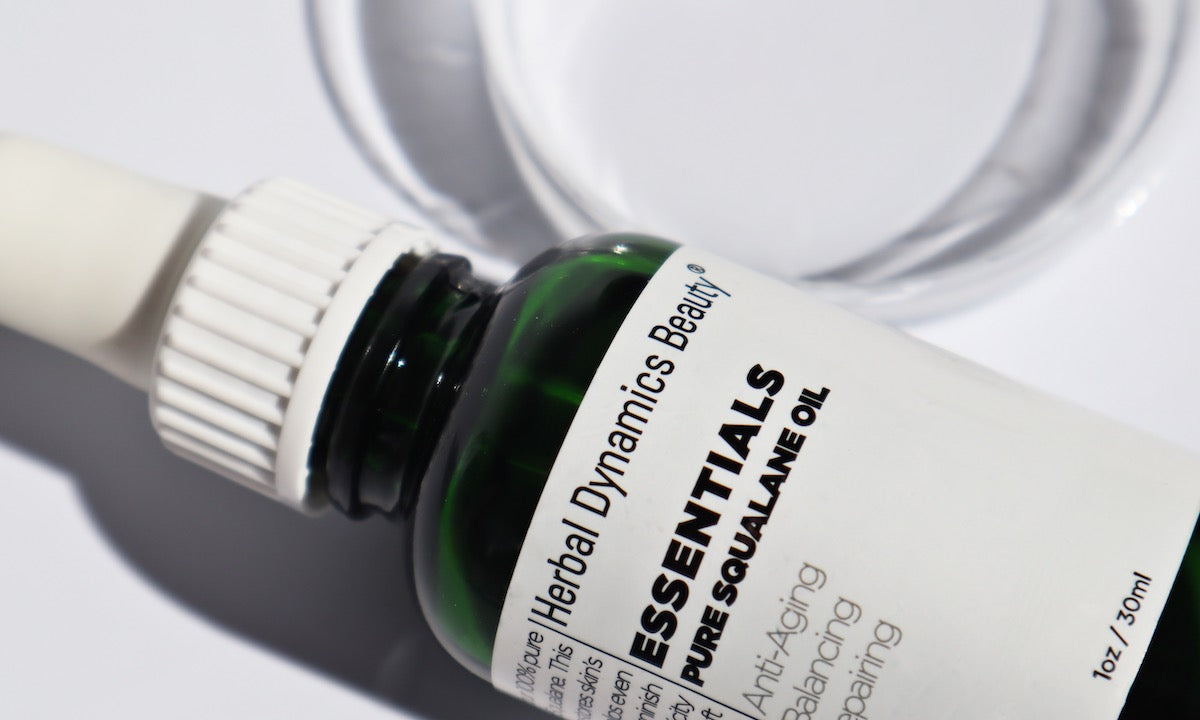
Choose a squalane-containing moisturizer when you want one product that combines emollience with water-binding ingredients and a comfortable protective finish. Plain squalane oil is an optional extra for softness or slip; it is not automatically a replacement for a cream or lotion.
| Question | Plain squalane oil | Squalane moisturizer |
|---|---|---|
| Does it contain water? | A single-ingredient squalane oil does not | Many creams and lotions do |
| Does it contain humectants? | Not if squalane is the only ingredient | May include glycerin, hyaluronic acid or others |
| What is the main role? | Emollient softness and slip | A combination of moisturizing functions |
| Is more always better? | Extra oil may feel greasy or interfere with layering | Use enough for comfort; thickness alone does not prove efficacy |
Start by checking the base moisturizer and washing routine. When an oil leaves your face shiny but still uncomfortable, more oil may not address the missing part of the routine. A richer cream can be a simpler choice than a serum, lotion and oil used together.
Use dry-skin moisturizer selection for cream options. If discomfort persists after applying a suitable product, see why skin still feels tight after moisturizing.
You may prefer a light finished lotion and no separate oil. The phrase “lightweight oil” does not establish how a formula will behave on your face or whether it will pill under sunscreen. Judge the whole routine over time without adding several new products at once.
Look for appropriate acne-friendly labeling and consider your treatment needs. Squalane is not a substitute for an acne treatment, and a product causing persistent bumps should not be kept solely because one ingredient is often described as non-comedogenic.
Follow the product directions. If using plain squalane as an additional evening layer, try a small amount after a familiar moisturizer and assess whether it adds useful comfort. Do not mix it into sunscreen or change a prescribed treatment's directions to fit a generic layering rule.
There is no universal drop count for every dispenser and face. More can leave a film without improving comfort. If you already like the result from a moisturizer containing squalane, the separate oil may be unnecessary.
RevitAge™ Antioxidant Transforming Night Cream is an example of squalane within an evening cream, alongside glycerin, dimethicone and niacinamide. It contains sweet orange oil and retinyl palmitate, so assess those ingredients as well. Squalane on the list does not override a fragrance sensitivity or a reason to avoid retinoids.
Vanicream Daily Facial Moisturizer illustrates another format: a lighter facial moisturizer containing squalane, glycerin, hyaluronic acid and ceramides, without botanical extracts or essential oils. These are formula examples, not evidence that one will outperform another for you.
Laboratory evidence about squalane does not show that an oil is more effective than every squalane cream. The squalane ingredient guide explains the evidence. Here, the useful question is whether the product supplies the functions your routine needs without an unnecessary extra step.
By Herbal Dynamics Beauty · Updated September 21, 2026.