Your Cart is Empty

Quick answer: Vitamin C serum can support brighter-looking skin by providing antioxidant protection and helping the appearance of uneven tone. But “dullness” is a visual description, not one diagnosis: dehydration, surface buildup, irritation, poor sleep and uneven pigmentation may each require a different response.
Skin may look less luminous when its surface is dry, flaky or uneven, when it is dehydrated, or when visible pigmentation creates an irregular tone. Smoke exposure, inadequate sleep and environmental stress can also affect appearance. If dullness is accompanied by persistent itching, rash, marked color change or other symptoms, seek professional advice.
Start with the cause-first guide Why skin looks dull—and what can realistically help.
Vitamin C is an antioxidant and a cofactor involved in normal collagen biology. In topical formulas, it may help improve the look of uneven pigmentation and photodamaged skin over time. That can translate into a more even, brighter appearance, but it is not an instant glow treatment and results depend on the formula.
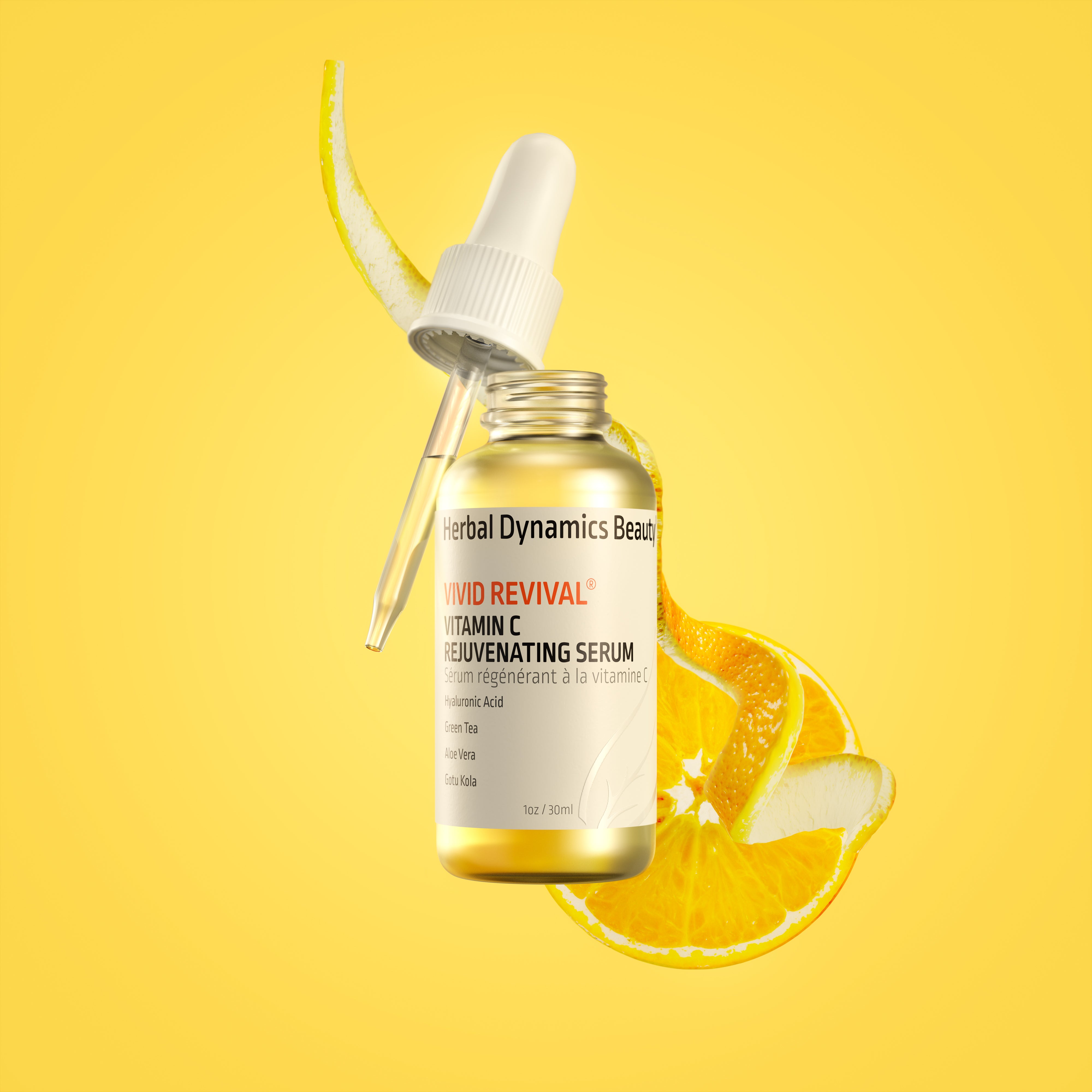
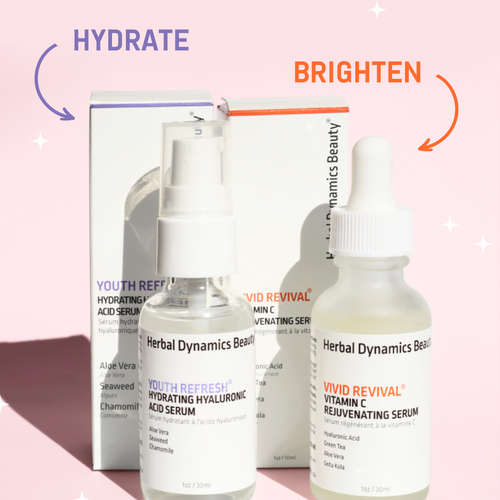
Vivid Revival® Vitamin C Rejuvenating Serum combines ethyl ascorbic acid with hyaluronic acid, glycerin, aloe, green tea and centella asiatica. The combination is relevant when dullness is paired with dehydration or a tight-feeling surface. Follow with moisturizer and sunscreen rather than relying on a serum alone.
Look for gradual changes in comfort, smoothness and evenness under similar lighting. Avoid judging a product from a single day, and stop if burning, swelling or a persistent rash develops. Our vitamin C results timeline explains what can change first and why fixed promises are misleading.
When dullness also involves surface roughness, use the texture guide to identify the cause. The texture-exfoliator comparison and vitamin C pairing guide help decide whether an additional step is worthwhile.