Your Cart is Empty
Green tea and EGCG have promising acne research, but a cosmetic green tea product is not a proven substitute for established acne treatment. Human studies concern particular preparations, while many proposed mechanisms come from laboratory work. Those two types of evidence should remain separate.
Our green tea ingredient guide introduces the extract. This article focuses on blemish-prone skin and what the acne findings can reasonably support.
EGCG is one of green tea's catechins. Investigators have examined effects on lipid-related signaling, inflammatory pathways and Cutibacterium acnes, the bacterium called Propionibacterium acnes in older papers. An effect in a culture dish helps identify a research question; it does not establish that a retail cream treats that process in a person's skin.
Acne involves more than visible oil. Blocked follicles, inflammation and individual biology also matter. The acne-prone skin guide explains that broader picture.
Yoon and colleagues reported improvement with topical EGCG in an eight-week randomized split-face trial. A split-face design compares treatments on different sides of the same participant's face. It can help control person-to-person variation, but a small trial does not establish that all green tea extracts or cosmetic formulas work alike.
The tested ingredient and vehicle matter. A cream labeled “with green tea” may not specify EGCG content, delivery or stability. It should not inherit the clinical results of the research preparation.
The American Academy of Dermatology's acne guideline supports established options such as benzoyl peroxide and topical retinoids. Green tea cosmetics should not be promoted as equivalent replacements on the strength of ingredient studies.
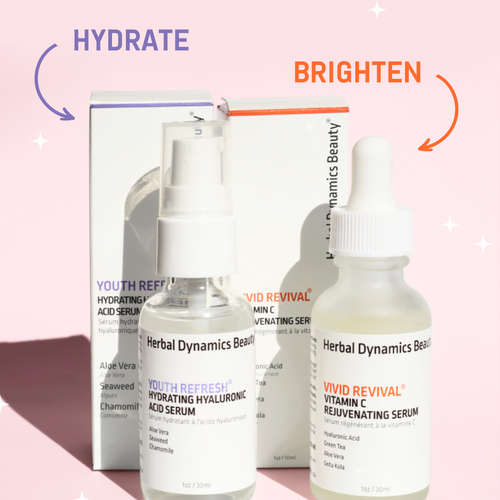
A tolerable moisturizer or serum containing green tea may be an optional part of a routine. Its immediate value could come from the moisturizing base and comfortable texture, rather than a measurable change in acne lesions. Look at what the product adds before adding another step.
Keep the treatment plan stable enough to assess tolerance. If several products are started together, improvement or irritation cannot confidently be assigned to green tea. Prescription directions should take priority over a general cosmetic layering suggestion.
Start with a simple acne-prone skincare routine. If you already have a comfortable moisturizer, adding green tea is optional. If you want a new product, use the formula-selection guide and review the complete ingredient list.
Do not apply brewed tea or a homemade powder mixture to broken or inflamed skin as a substitute for a formulated product. Oral supplements are another exposure altogether; drinking versus applying green tea explains why the evidence cannot be transferred between routes.
Persistent burning, itching or a spreading rash is a reason to stop an optional cosmetic, not to wait for “purging.” Seek dermatologic care for deep, painful, scarring or persistent acne rather than repeatedly changing botanical products.
By Herbal Dynamics Beauty · October 1, 2026