Your Cart is Empty
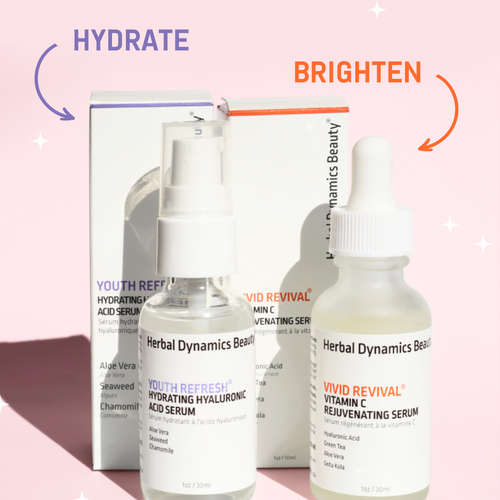


Hyaluronic acid can be used in the morning, at night or both. It is not photosensitizing and does not require a special time of day. Choose a schedule that feels comfortable, follows the product directions and does not make your routine pill.
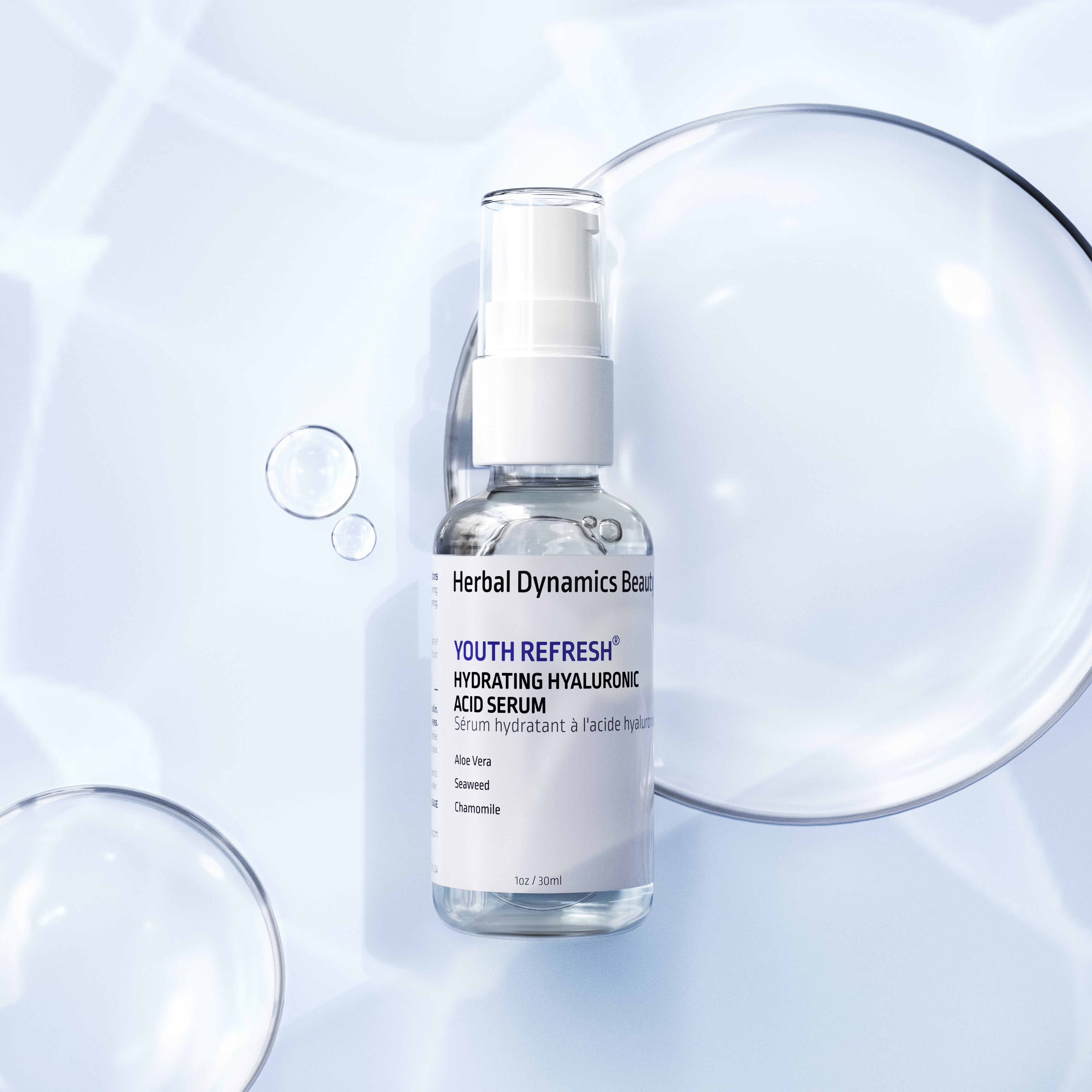
In the morning, a hyaluronic acid serum can add a lightweight hydration step under moisturizer and broad-spectrum sunscreen. Use a thin layer so sunscreen forms an even film.
At night, hyaluronic acid can support comfort around drying routines. It does not neutralize retinoids or exfoliating acids, but hydration may make the routine feel better. Avoid using that comfort to push through persistent burning or severe peeling.
| Frequency | When it may fit |
|---|---|
| Once daily | A simple starting point for most routines |
| Twice daily | If the formula layers well and skin benefits from both uses |
| Every other day | If you are introducing several products or your skin is reactive |
| As needed | If seasonal changes or treatment nights affect comfort |
More frequent use is not necessarily more effective. If the serum feels tight, tacky or pills, use less or reduce frequency.
No strong evidence shows that a basic topical hyaluronic acid serum must be used at night. Nighttime can be convenient because there is no sunscreen layer, while daytime use may improve how comfortable skin feels under makeup. The finished formula and full routine matter more than the clock.
Usually after a water-based serum. For dry skin, moisturizer is the step that adds emollient or occlusive support. Read our step-by-step hyaluronic acid application guide.