Your Cart is Empty
Panthenol is related to Vitamin B5, but the names are not chemically identical. Vitamin B5 is pantothenic acid; Panthenol is its alcohol analog and a provitamin form. Dexpanthenol names D-Panthenol. Understanding those labels helps you interpret research without confusing a topical cosmetic with a dietary supplement.
| Name | What it identifies | What it does not tell you |
|---|---|---|
| Panthenol | A provitamin B5 ingredient used in cosmetic formulas. | The finished product's tested effect or exact concentration. |
| Pantothenic acid | Vitamin B5 itself. | That a topical cream has the same effect as oral nutritional intake. |
| Dexpanthenol / D-Panthenol | The D form of Panthenol. | That every cosmetic listing it matches a studied medical preparation. |
| DL-Panthenol | A mixture of D and L forms. | A universal percentage conversion for product performance. |
| B5 complex / vitamin-rich | A broad description requiring an ingredient-list check. | Which B5-related ingredient, dose or complete formula is present. |
The term describes Panthenol's relationship to pantothenic acid. It does not mean the skin is vitamin-deficient, or that everyone needs a B5 treatment. In cosmetics, the practical roles to evaluate are water binding and skin conditioning. The Panthenol pillar explains the benefits and limitations.
D and L describe molecular forms, not a skincare schedule. Some human studies specifically tested Dexpanthenol in defined vehicles. A label containing the broader name Panthenol is not enough to reconstruct the exact preparation used in those studies.
Ask what was tested and what the finished formula is designed to do. Do not assume you should double a percentage, mix raw ingredients or choose a product solely by an isomer name. Concentration guidance separates stated amounts from evidence of performance.
Dietary pantothenic acid, a B-complex supplement and Panthenol in a cosmetic involve different exposures and questions. An oral supplement study does not demonstrate that a Panthenol serum treats acne; a moisturizing study does not establish a nutritional deficiency.
Similarly, wound-care and medical preparations have their own indications and testing. A cosmetic label listing Dexpanthenol does not make the formula suitable for burns, ulcers, infected skin or a diagnosed dermatitis.
Identify the ingredient, read directions and check the rest of the formula. A cream with Panthenol and ceramides may fill a moisturizing role, while a lighter serum may serve an optional hydration step. The vitamin terminology alone does not choose between them.
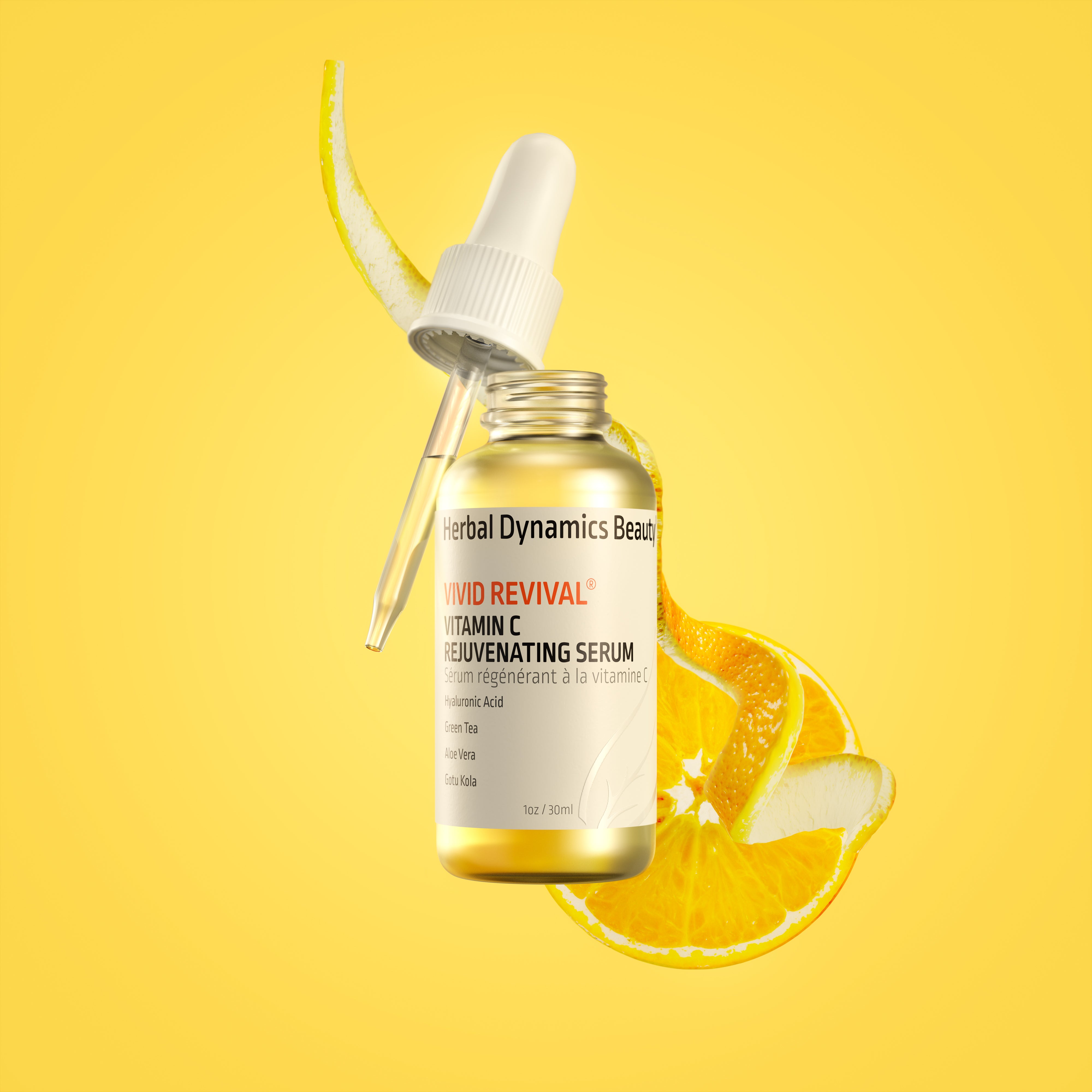
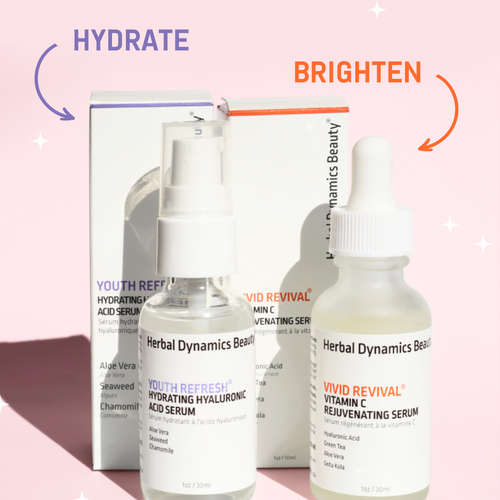
Vivid Revival® Vitamin C Rejuvenating Serum is one label example: its list uses Dexpanthenol and also names ethyl ascorbic acid, hyaluronic acid and botanical ingredients. That is a multi-ingredient serum, not a stated-dose medical B5 preparation.
For B3 as well as B5, use the B-vitamin label guide. Panthenol versus niacinamide addresses the more specific product decision. Finish with Panthenol formula selection and practical use guidance.
General cosmetic education. Persistent, painful or worsening symptoms and medical-treatment decisions need individual professional assessment.
Product disclosure: Herbal Dynamics Beauty publishes this guide and makes and sells the products linked here. Ingredient research is not a clinical test of these finished formulas, and the cited researchers and medical organizations do not endorse them.
By Herbal Dynamics Beauty · Updated October 4, 2026.