Your Cart is Empty
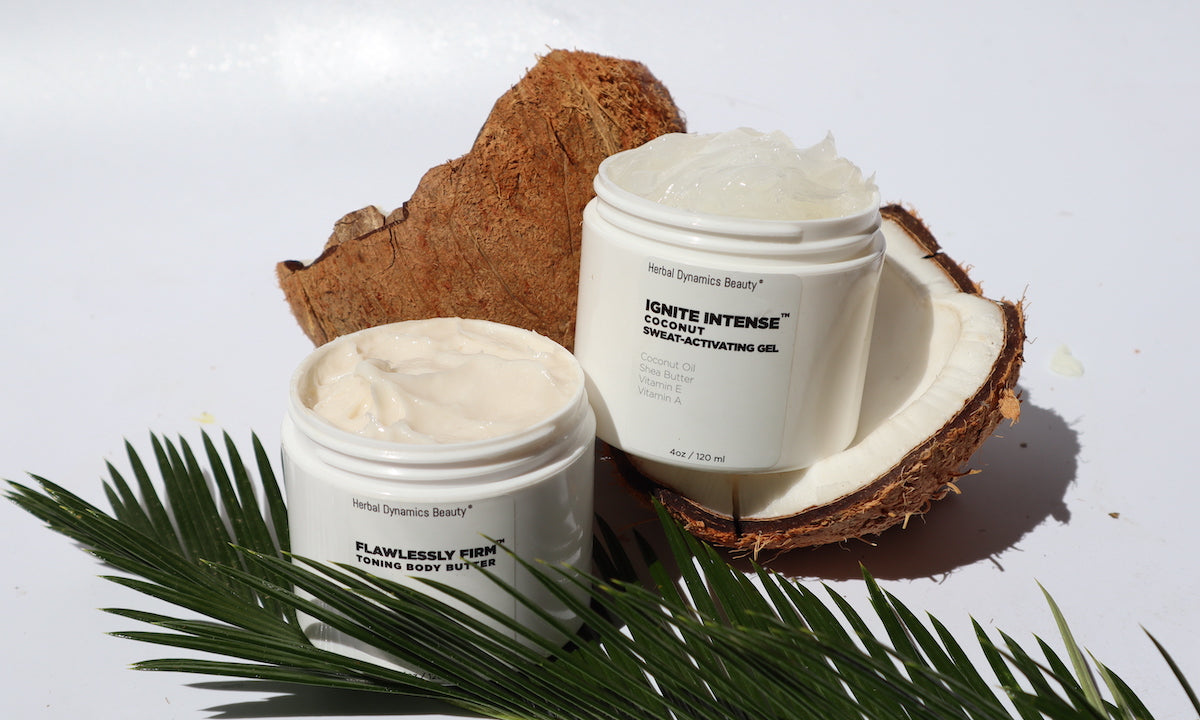
Coconut oil can act as an emollient and help reduce moisture loss in some skin-care preparations. It is not an established substitute for acne medication, sunscreen or treatment of infection. Food use, isolated lauric-acid experiments and a finished topical product provide different kinds of evidence.
Coconut oil, or copra oil, is extracted from the kernel or meat of mature coconuts harvested from the coconut palm.
There are three types of coconut oil:
Virgin coconut oil is generally obtained with processing intended to preserve more of the original oil’s characteristics. “Unrefined” is a processing description, not proof that it is the healthiest dietary oil or the best facial product.
Refined coconut oil undergoes processing that can change odor, color and other characteristics. Refining is not automatically evidence of toxicity or poor cosmetic performance.
Dietary guidance about partially hydrogenated fats is a separate issue from assessing a topical cosmetic. Do not transfer food-health conclusions to every ingredient derived from coconut oil.
Coconut oil is popular for use in cooking and baking, and it is now a common substitution for lard, butter, and cream for everything from pastries to baked potatoes to coffee to smoothies.
Coconut oil contains several fatty acids and is rich in saturated fat. Dietary metabolic claims should not be transferred to a topical moisturizer, and the oil should not be equated with the specific purified MCT preparations used in some research.
Lauric acid is a major fatty-acid component. Laboratory antimicrobial activity and research on monolaurin do not establish that eating coconut oil prevents infections or that applying the oil treats them.
An animal study investigated stress-related measurements after virgin coconut oil exposure. A paper being indexed by NIH does not mean NIH conducted it, and findings in mice do not establish stress treatment in people or anti-aging effects from a facial product.
A 2012 study examined the amount of time it took for tomato carotenoids (phytonutrients that prevent oxidative stress) to be absorbed by animals in a laboratory setting. One group was fed a diet of primarily safflower oil, while another one consumed coconut oil.
At the end of the study, it was found that those who consumed coconut oil had far higher level of carotenoids, suggesting that it was due to the high level of fatty acids in coconut oil.
According to Dermatology Times, botanicals, such as coconut oil, have been used as topical treatments for skin since the earliest recorded history.
Different coconut preparations have been investigated for moisturizing and biological effects. The strongest relevant claim for an ordinary cosmetic is emolliency and moisture support, rather than broad antifungal, antibacterial or anti-inflammatory treatment.
Today you’ll find coconut oil in face, hair, and body products, such as moisturizers, shampoos, and conditioners. Many people even use coconut oil straight out of the jar -- rubbing it on hair and nails, using it as a diaper cream, or even brushing their teeth or oil-pulling with it.
Here are many ways you can use coconut oil for skin:
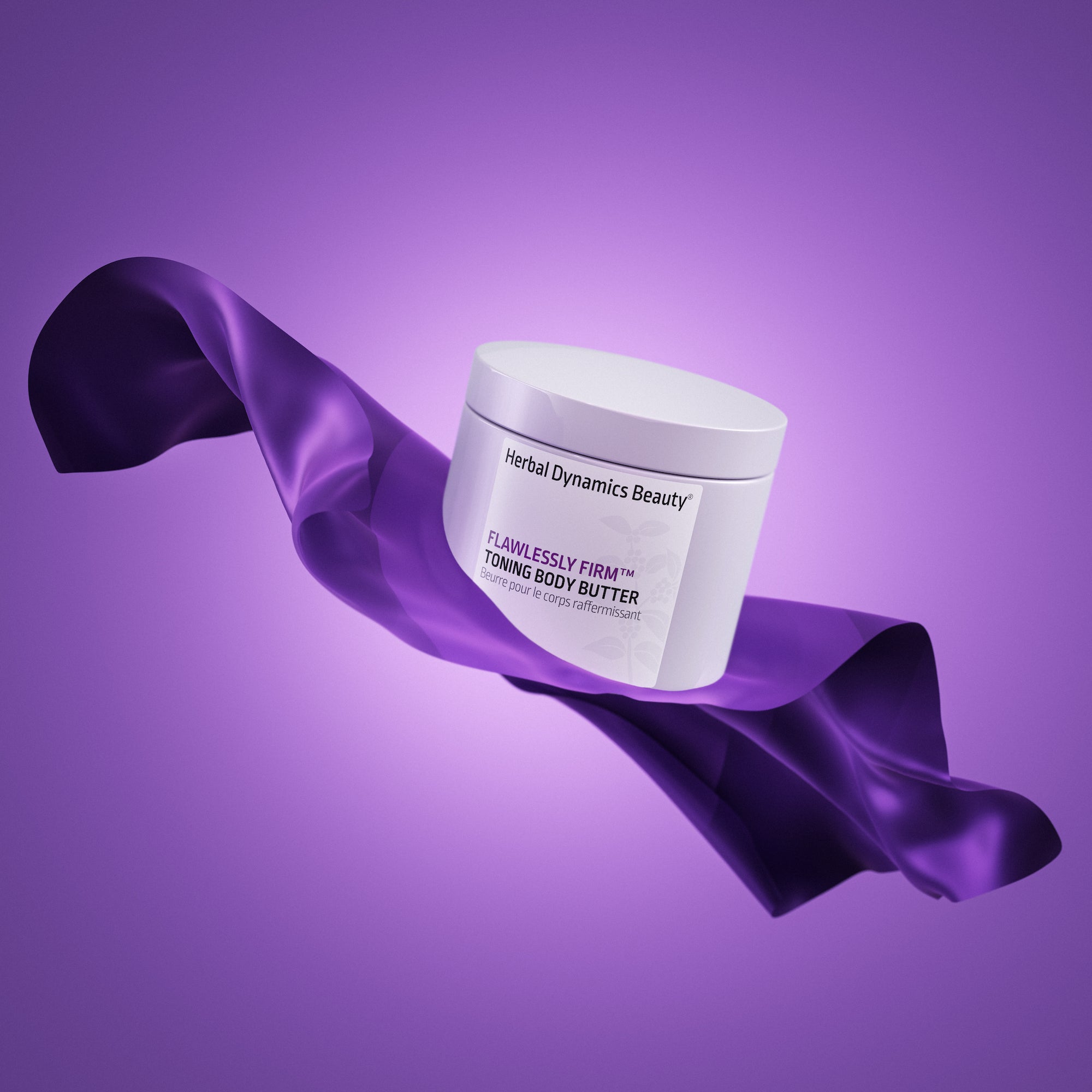
For a finished body formula rather than a plain kitchen oil, compare body moisturizers and body butters by skin need. Review humectants, emollients, finish and tolerance instead of assigning every coconut-oil finding to the complete product.
Comedogenic ratings come from particular testing conditions and do not predict every finished formula or person’s response. They are a cautionary reference rather than a guaranteed breakout forecast.
The often-cited 2009 lauric-acid study involved bacterial and animal experiments, not a clinical trial showing that coconut oil outperforms benzoyl peroxide in people. A laboratory concentration comparison cannot be presented as a “15 times better” facial acne treatment.
Coconut oil can cause reactions or be unsuitable for some acne-prone users. It should not be contrasted with acne medicines as a risk-free alternative. Use established treatments according to their label or your clinician’s advice.
Coconut alkanes are chemically different from coconut oil and can serve as lightweight emollients. Their source or texture does not guarantee that every product containing them will be non-comedogenic for every user.
Use the facial sunscreen guide to choose broad-spectrum SPF 30 or higher and apply it properly. FDA guidance explains why tested sunscreen claims, protective clothing and correct use matter; ingredient or nutrition research is not an SPF rating.
Content updated October 8, 2026.
If pore-clogging ratings are influencing your choice, read the oils-and-butters comedogenic reference. The chart’s limitations and the complete formula matter; a single ingredient rating cannot guarantee your skin’s response.