Your Cart is Empty

Bakuchiol can fit alongside many skincare ingredients, but there is no universal compatibility promise for every pair of products. The useful questions are whether the combination serves a purpose, follows both labels and remains comfortable on your skin.
A finished formula tested with several ingredients is different from mixing separate products in your hand or adding raw ingredients to a bottle. For bakuchiol’s role before you combine it, read the ingredient guide.
| Partner | Potential role | Decision to make |
|---|---|---|
| Hyaluronic acid or glycerin | Hydration. | Does your moisturizer already meet that need? |
| Niacinamide | Barrier support and other formula-dependent cosmetic goals. | Use the niacinamide pairing guide to avoid redundant steps. |
| Vitamin C | Antioxidant and uneven-tone care. | Check the form and complete formula in the vitamin C guide. |
| Azelaic acid | Concern-specific acne or discoloration care. | Keep any prescribed plan primary; see the azelaic acid comparison. |
| Salicylic acid or AHAs | Exfoliation or, for suitable salicylic products, acne care. | Evaluate cumulative irritation with the acid-pairing guide. |
| Retinol or retinal | Visible-aging care with a retinoid. | Adding bakuchiol may be unnecessary; review combination-formula evidence. |
| Peptides | Formula-specific cosmetic support. | Follow the exact peptide product’s restrictions; see bakuchiol versus peptides. |
Hyaluronic acid is a water-binding ingredient, not an exfoliating acid. Its practical role here is hydration, while bakuchiol is being considered for a separate cosmetic goal. You do not need proof of special synergy to use a comfortable hydrating step, but hydration does not establish that bakuchiol will work better.
If both products are suitable for you, a light water-based hydration serum can go before a richer bakuchiol emulsion or moisturizer, subject to their directions. An all-in-one cream may make the separate serum unnecessary. See how to use hyaluronic acid serum for that step’s details.
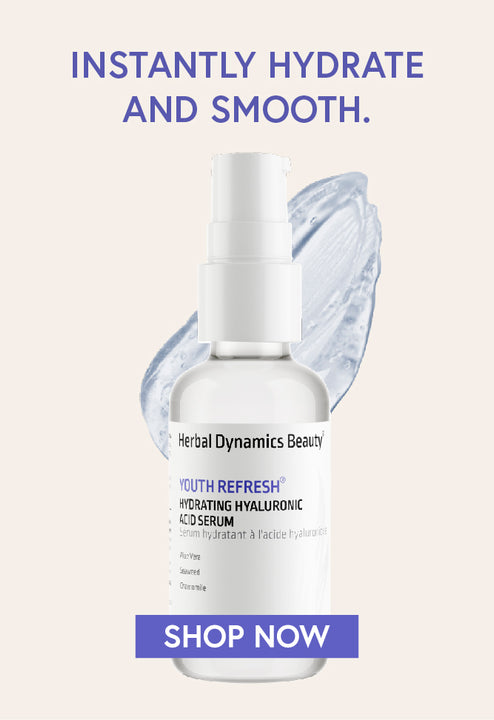
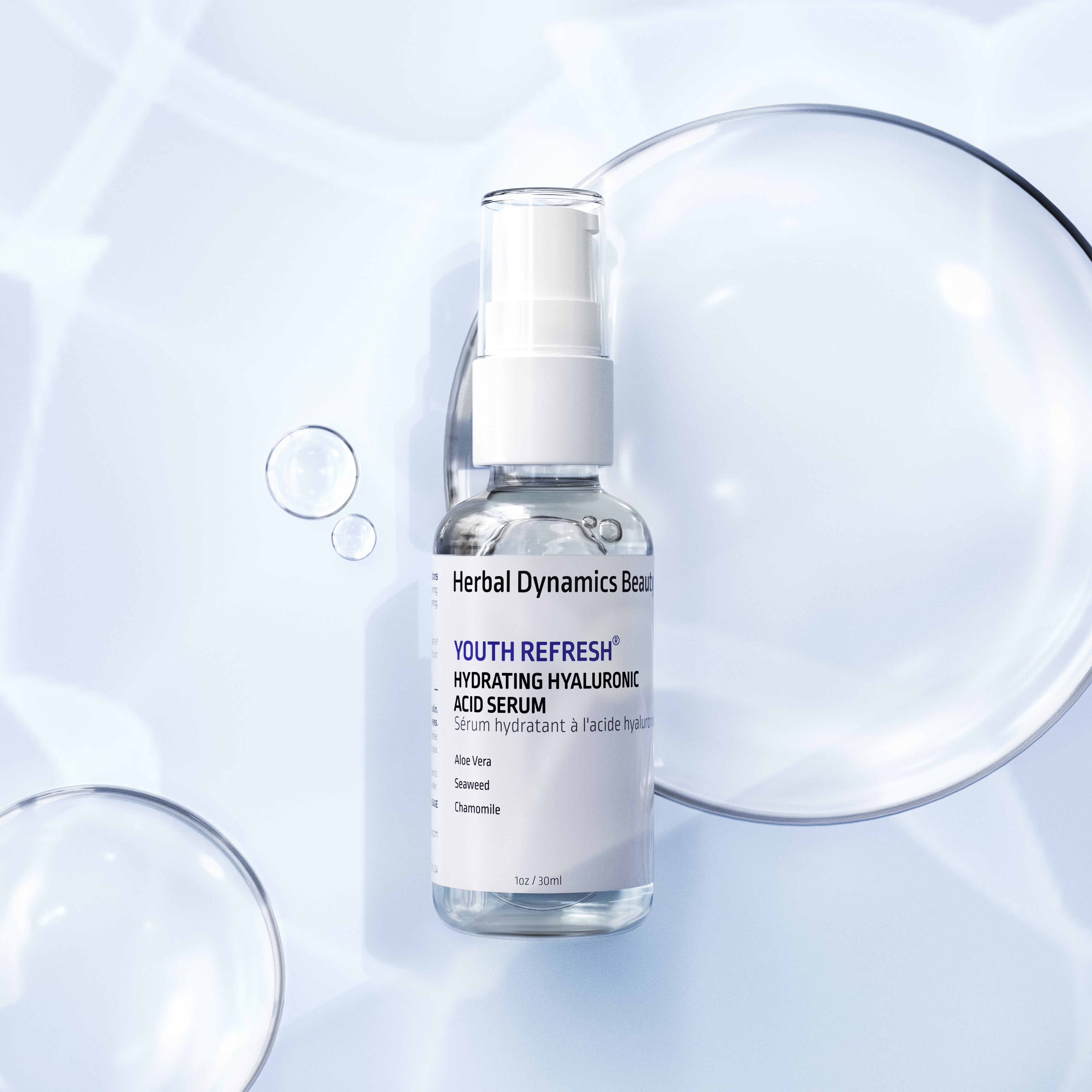
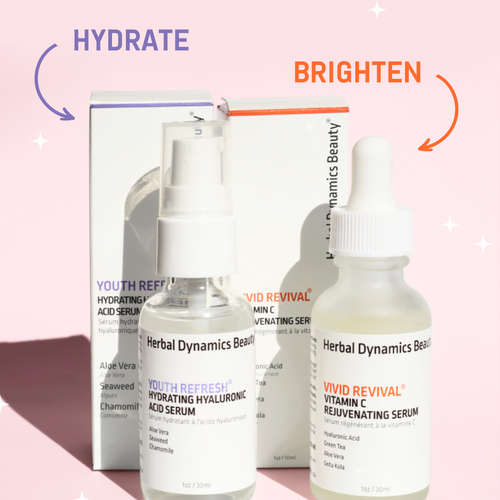
Herbal Dynamics Beauty’s Youth Refresh® Hydrating Hyaluronic Acid Serum is an optional hydration product. It contains no bakuchiol and should not be treated as a substitute for it.
Applying finished products in their intended order leaves their formulas intact until use. Mixing them together can change how much of each you apply and how they spread. Adding another product to the original container also introduces stability and contamination questions.
Do not dilute sunscreen with serum or oil. Keep it as its own final morning skincare step, following the sunscreen label.
Using one optional active in the morning and another at night can simplify a routine or make pilling less likely. Alternating days can reduce how much your skin encounters at once. Neither strategy guarantees compatibility, and neither overrides a label restriction.
There is no universal waiting interval that makes every combination safe. If a routine stings, first reduce the number of variables instead of constructing longer wait times between them.
Begin only after the first product is comfortable, and change one step at a time. Keep moisturizer and sun protection consistent. If you are using a prescription treatment, ask the prescriber how a cosmetic addition fits the plan.
Choose the fewest steps that address your actual concern. The bakuchiol usage guide helps place the product, while sensitive-skin guidance explains when simplifying is the better next decision.