Your Cart is Empty
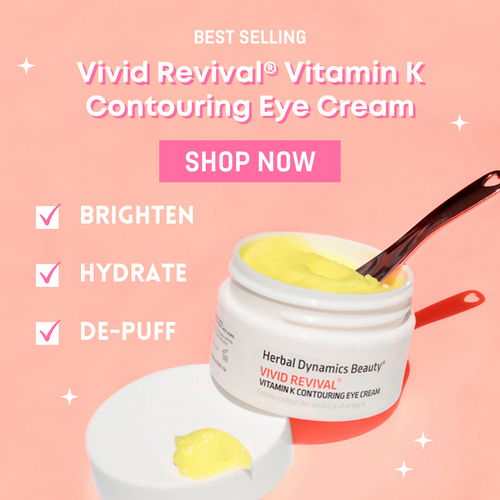


An evidence-based guide to topical vitamin K for dark circles and bruising, including study limits, ingredient forms, allergy risk and current regulatory context.


One compatibility guide for seven meaningful licorice partners, with practical ways to avoid duplicate active layers and unsupported synergy claims.

Understand why licorice and niacinamide can occupy different roles even when a product markets both for a more even-looking complexion.

Keep a licorice cosmetic distinct from azelaic acid preparations studied for specific skin concerns, including the role of medical care.

Compare a botanical extract with vitamin C forms without assuming shared antioxidant language makes them equivalent.

Understand how licorice and kojic acid differ before choosing or combining pigment-focused formulas.

A targeted comparison of a variable botanical extract and a named pigment-focused molecule, with separate evidence and sensible routine choices.

Decide which licorice format serves a real need, from a targeted serum to a moisturizing cream or optional toner.

Place a licorice-containing product in a simple routine and let its format, directions and supporting ingredients determine how often you use it.

Recognize reactions to a licorice formula, understand why botanical origin is not an allergy guarantee, and separate topical skincare from oral licorice.