Your Cart is Empty
Alpha arbutin has limited, mostly combination-based human evidence for melasma. It should not be presented as a proven stand-alone cure or a universal replacement for prescribed treatment. If you think you have melasma, a diagnosis and a plan for ongoing management are more useful than choosing a serum by ingredient popularity.
Our main melasma guide explains the condition and broader care options. This page examines the narrower question of what alpha-arbutin research contributes.
A small randomized, evaluator-blinded split-face trial enrolled 30 people with melasma; 27 completed it. For 12 weeks, one side received 5% alpha arbutin plus 2% kojic acid twice daily, while the other received a hydroquinone/tretinoin/fluocinolone triple combination once daily. Sunscreen was also used.
Some pigment measures did not differ significantly between sides, but physician global assessment favored the triple combination. This pilot did not prove equivalence: it was small, used different schedules and tested combinations rather than alpha arbutin alone. The studied 5% alpha-arbutin concentration also exceeds the European 2% face-cream limit, so it is not a general retail-use recommendation.
The study supports further investigation of a particular combination. It does not establish the best alpha-arbutin percentage, show that a typical serum matches prescription treatment or prove that adding kojic acid to an existing bottle recreates the result.
Read alpha arbutin and kojic acid for the cosmetic comparison, and the hydroquinone comparison for the separate U.S. medical and regulatory context.
Melasma can persist or recur, and exposure patterns and individual triggers influence management. A routine that briefly lightens a patch may not answer the longer-term question of maintaining improvement. Professional care can also distinguish melasma from other causes of pigmentation.
The American Academy of Dermatology emphasizes sun protection and gentle skincare in melasma management. Irritating products can work against that goal. The alpha-arbutin tolerance guide is relevant even when a formula is marketed as gentle.
A pigment-focused ingredient does not replace protection from ongoing exposure. Tinted sunscreen containing iron oxides can be useful when visible light contributes to melasma. Use the iron-oxide sunscreen guide to understand that distinction and sunscreen selection for pigmentation for the broader decision.
Comfortable texture matters here too: the sunscreen routine needs to be practical enough to follow consistently, including appropriate reapplication.
Do not stop a prescribed product or substitute a research-inspired mixture on the basis of an ingredient comparison alone.
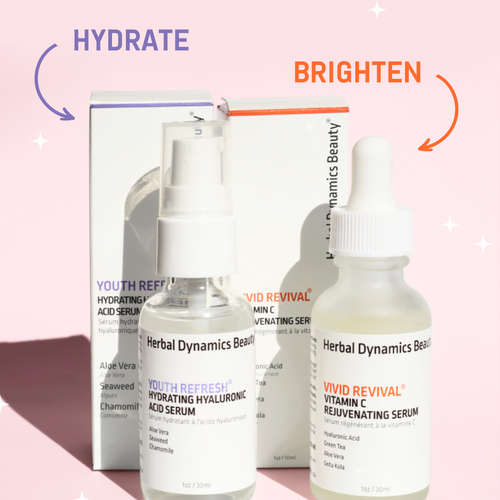
If an alpha-arbutin product fits the agreed plan, choose it as a complete formula using the serum selection guide. Keep expectations tied to the product and the condition rather than a guaranteed fading date.
For the ingredient’s general mechanism and limitations, return to the alpha-arbutin pillar. Melasma is one specific clinical context; its trial results should not automatically be applied to every ordinary dark spot.