Your Cart is Empty
Alpha arbutin and kojic acid are different pigment-focused cosmetic ingredients; neither is a universal winner for every dark spot. Assess the actual formula, evidence and tolerability. A study containing both cannot show which one contributes more, and a higher percentage of one does not establish greater potency than the other.
If the mark’s cause is uncertain, begin with the hyperpigmentation guide. Ingredient selection is more useful after the concern is identified.
| Question | What to look for |
|---|---|
| Which ingredient is actually present? | Read the full ingredient list. Alpha arbutin is not beta arbutin, and a kojic-acid derivative is not automatically equivalent to kojic acid. |
| What is the format? | A leave-on serum, cream and rinse-off cleanser have different use conditions. |
| What was studied? | Separate ingredient experiments from human research on the complete formula. |
| How does it fit your skin? | Consider the vehicle, other actives and history of reactions. |
For alpha arbutin’s identity and proposed pigment-related action, use the main ingredient guide. The practical question is not which name sounds stronger, but which product has the clearest purpose in your routine.
A small melasma trial studied alpha arbutin with kojic acid. It offers information about that combination under its study conditions, not a head-to-head comparison of the ingredients. Read the melasma evidence analysis for the design, limitations and why the tested strengths should not become a DIY recommendation.
Using both ingredients also does not guarantee twice the benefit. Demonstrating an advantage over either ingredient alone would require the appropriate comparison, not simply improvement over time in a combination group.
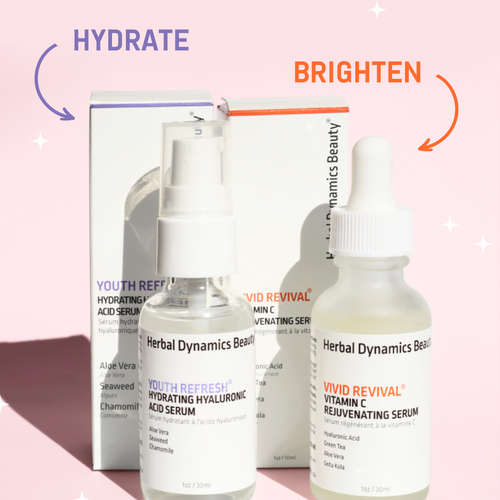
A professionally formulated product may contain both. Follow its directions and assess the full ingredient list. Separately layering two products creates a different routine, with potentially more opportunities for irritation and overlapping actives.
If one product already meets the goal comfortably, adding the other may be unnecessary. Use the alpha-arbutin pairing guide to review the whole routine before expanding it.
Safety assessments for these ingredients are not identical. The SCCS evaluates kojic acid separately, and European cosmetic rules set ingredient-specific conditions. Do not transfer an alpha-arbutin concentration recommendation to kojic acid or assume a research protocol is a retail-use instruction.
A rinse-off product should not borrow a leave-on serum’s results without evidence. Contact time, vehicle and the accompanying cleansing ingredients change what is being tested and how a product feels on skin.
A product that leaves skin repeatedly sore or inflamed is a poor pigment-care strategy. Introduce one new formula at a time and stop a suspected reaction rather than treating peeling as a sign of successful brightening. See the sensitive-skin guide.
If you prefer the alpha-arbutin category, use the serum selection guide to compare concentration disclosure, supporting ingredients and texture. If pigmentation is persistent or consistent with melasma, a professional plan may be more helpful than cycling between ingredient names.
Keep appropriate sun protection in place whichever formula you choose. A brightening product’s role is limited when ongoing exposure and inflammation are left unaddressed.