Your Cart is Empty

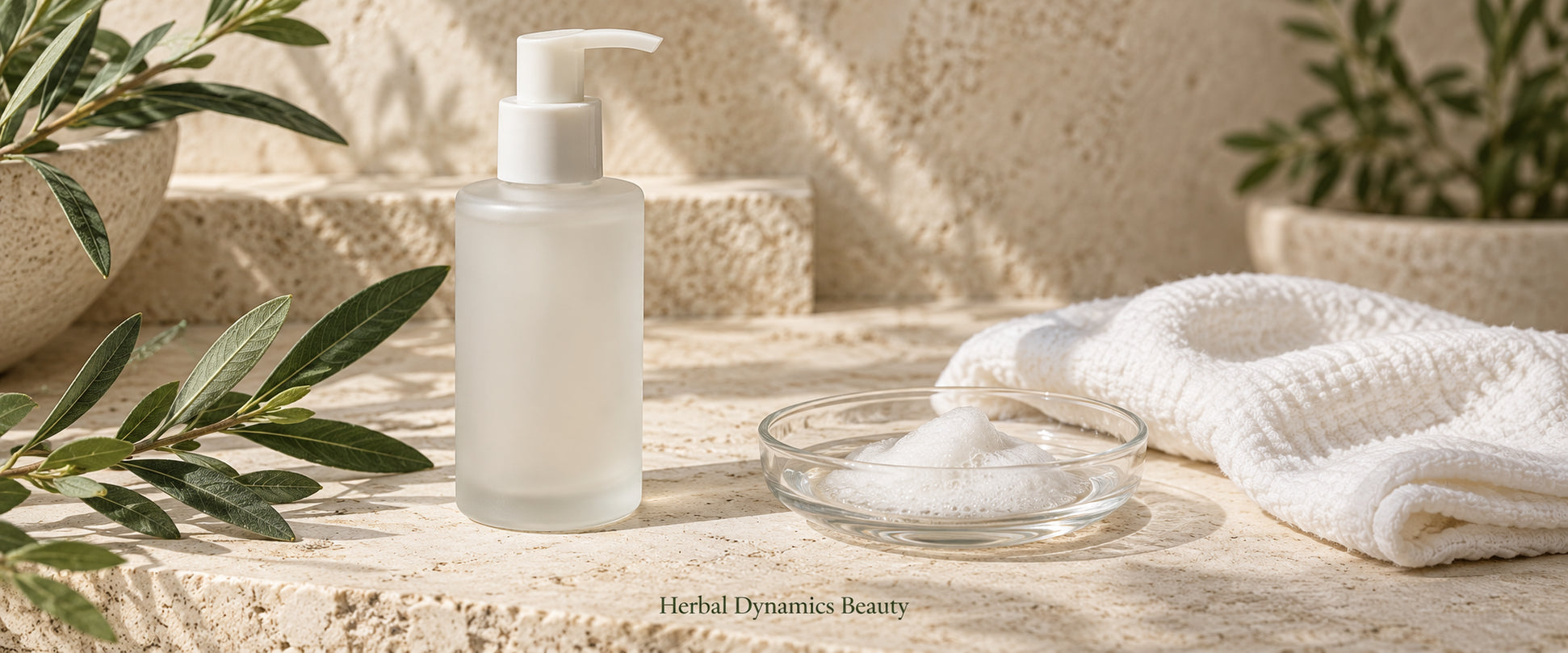
The best cleanser for acne-prone skin removes daily residue without making your acne treatment harder to tolerate. A mild, non-abrasive wash is a useful starting point. A medicated cleanser may fit some routines, but stronger foam, more acid and a tight after-feel do not automatically mean better acne control.
| Your situation | Cleanser direction | Reason |
|---|---|---|
| Already using a leave-on retinoid, benzoyl peroxide or other acne medicine | Start with a gentle non-medicated cleanser | Avoids adding an active that may not be needed |
| Comedones and no current acne active | Consider a labeled salicylic-acid wash if appropriate | May help congestion; check the label and tolerance |
| Inflamed acne and a wash-based treatment plan | A labeled benzoyl-peroxide wash may be an option | Provides an acne-drug step, with irritation and bleaching precautions |
| Tightness, burning or marked peeling | Choose gentle cleansing and reassess the routine | More treatment in the cleanser can add irritation |
| Water-resistant makeup or sunscreen residue | Use suitable makeup removal if your cleanser cannot remove it comfortably | A second cleanse is optional, not a universal requirement |
The AAD guideline supports benzoyl peroxide strongly and salicylic acid conditionally for acne. It does not establish that a cleanser format is best for every person or that all products containing these ingredients are equivalent.
When basic cleansing is the goal, look for a mild, non-soap facial cleanser with a fragrance-free formula and a texture you find comfortable. A non-comedogenic label can help narrow choices but cannot guarantee individual tolerance. Keep a non-medicated wash distinct from a Drug Facts-labeled acne cleanser, especially when you already use a leave-on acne treatment.
Look for a U.S. Drug Facts panel specifying the active, purpose, directions, warnings and age guidance. Follow its contact-time and rinsing directions rather than copying instructions from another wash. A cosmetic cleanser that happens to contain an acid is not automatically a labeled acne treatment.
Salicylic acid is relevant to clogged pores. Benzoyl peroxide is an established acne ingredient with antimicrobial activity and can bleach towels and clothing. The ingredient comparison helps distinguish them.
Foam level is a texture feature, not a reliable measure of cleansing power or gentleness. Some foaming formulas are mild; some non-foaming formulas can still irritate. Judge the complete formula and how your skin feels after rinsing.
Do not diagnose your skin type with adhesive tape or choose a wash simply because it leaves skin “squeaky clean.” If your forehead is oily while your cheeks are dry, adjust care by zone.
Many acne-prone routines use cleansing up to twice daily and after sweating. Adjust with professional guidance if skin is unusually dry or sensitive. Washing repeatedly through the day does not treat the hormonal or inflammatory drivers of acne.
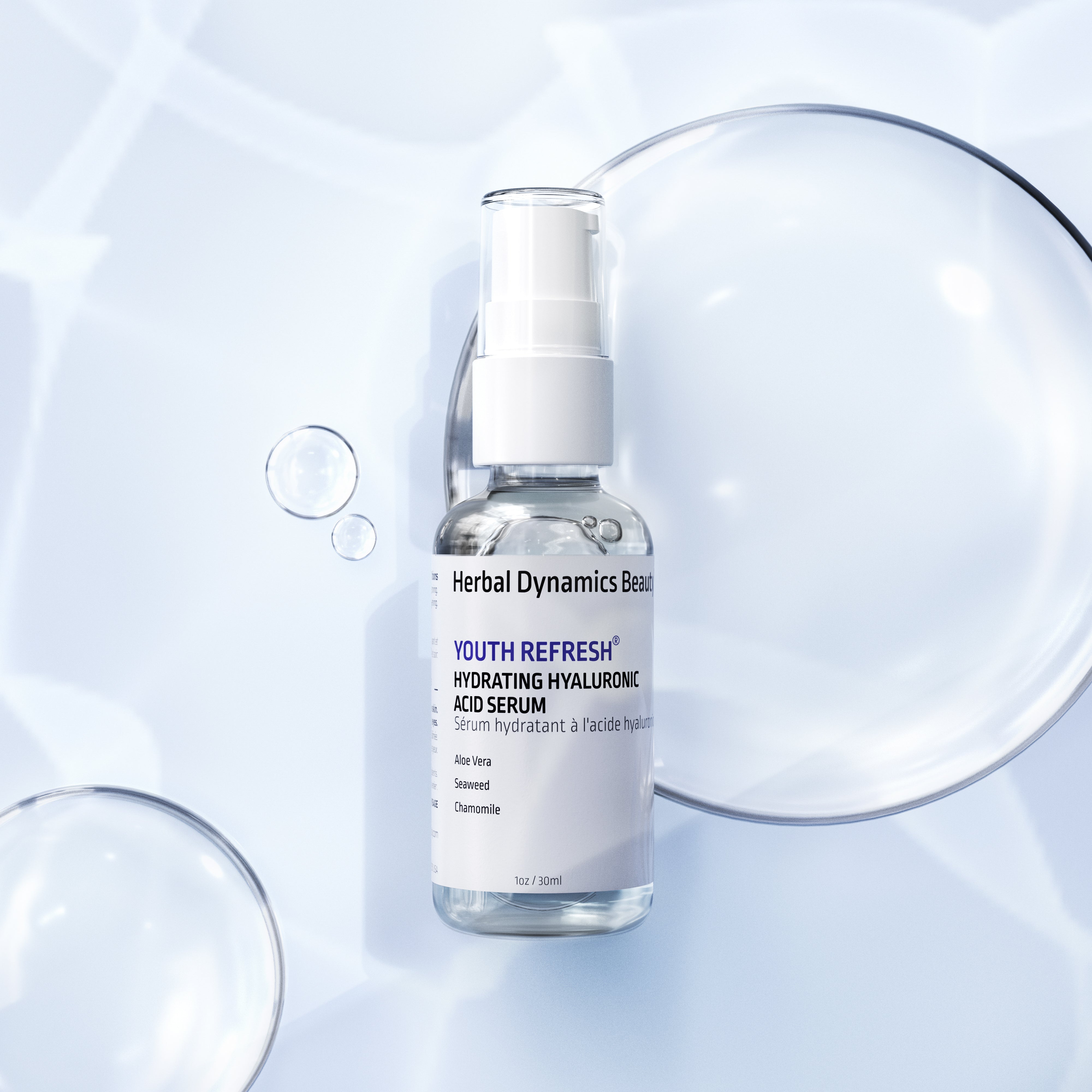
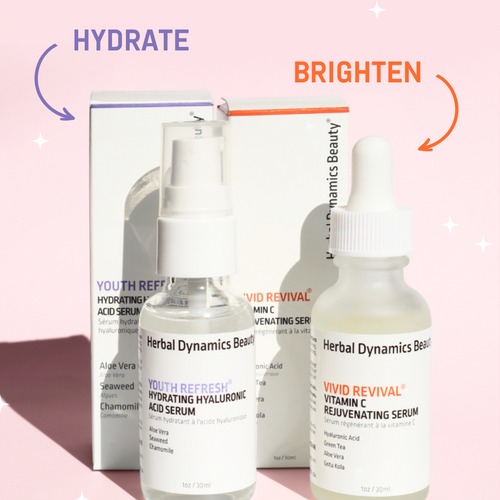
A comfortable moisturizer matters more than adding a compulsory toner. If skin needs extra hydration, Herbal Dynamics Beauty Youth Refresh® Hydrating Hyaluronic Acid Serum is an optional humectant layer under moisturizer. It does not replace a cleanser or acne medicine.
For coordinated product selection, use the best skincare for acne-prone skin guide. For the order of steps, use the AM/PM routine guide.
A cleanser that causes persistent burning, rash or uncomfortable dryness deserves reassessment. Deep, painful or scarring acne needs medical care rather than progressively harsher face washes.
When tolerance is the first constraint, use the sensitive-skin cleanser comparison. For the full routine beyond acne cleansers, see sensitive-skin product choices.
Oily skin does not always need a medicated cleanser: the oily-skin wash comparison addresses cleansing when treatment is a separate step. Use the broad face-cleanser guide to compare skin-type needs, and the informational cleanser guide for formats.
If you wear persistent makeup or sunscreen, double cleansing may help removal, but it is not an acne treatment. Over-cleansing and scrubbing can add irritation without resolving the causes of breakouts. The washing-frequency guide explains what evidence does and does not establish about more frequent washing.
Updated September 20, 2026. General skincare education, not a diagnosis or individualized treatment plan. Seek professional care for deep, painful, scarring, persistent or rapidly worsening acne.