Your Cart is Empty


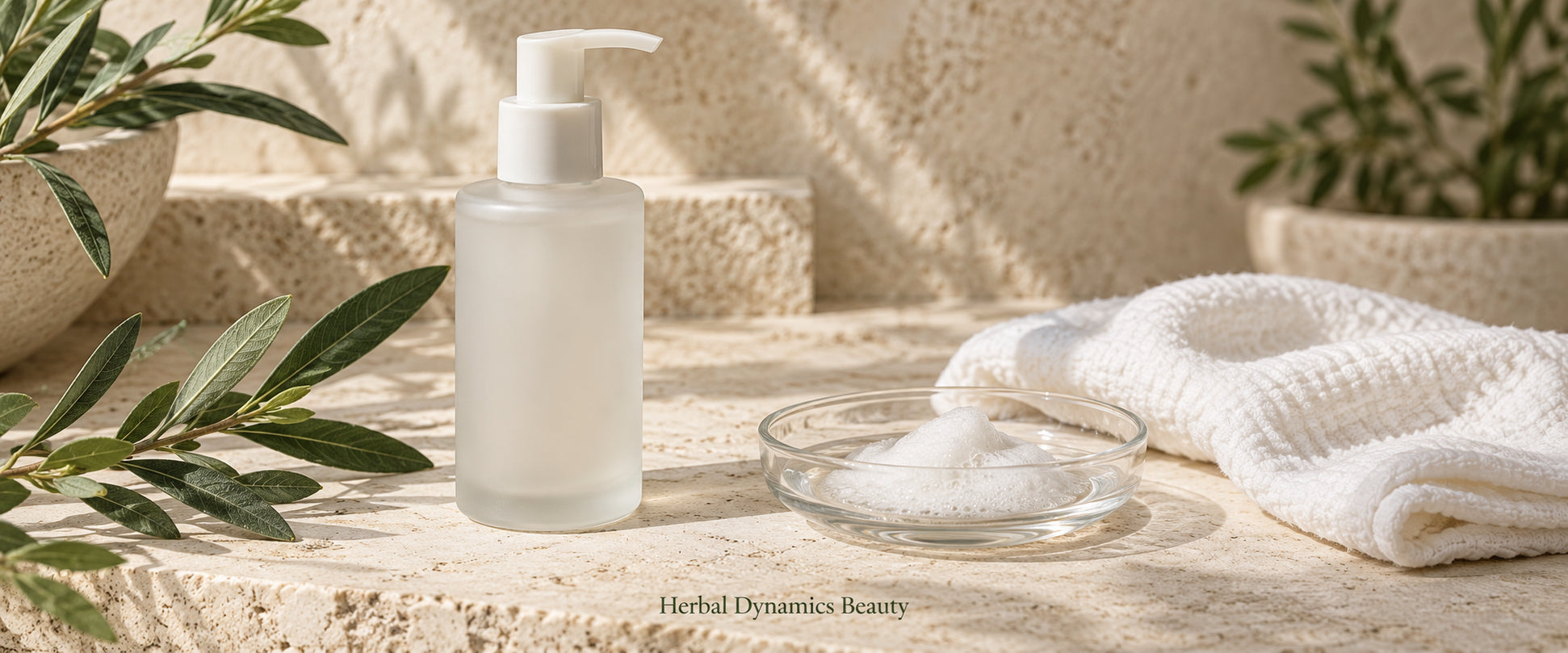
Double cleansing usually means using an oil-based cleanser or balm to remove persistent products, followed by a water-based facial wash. It can be useful for long-wear makeup or sunscreen that one wash does not remove comfortably. It is optional: many routines work well with one suitable cleanser.
Consider a separate removal step if your usual wash leaves visible makeup, requires repeated rubbing, or struggles with the water-resistant products you wear. The goal is effective removal with less unnecessary friction, not making the face feel stripped.
If your cleanser already handles your normal day comfortably, adding another is unlikely to be essential. Morning cleansing after a clean, makeup-free night does not automatically require an oil-and-water sequence.
| Your situation | A reasonable approach |
|---|---|
| Light daily residue and a comfortable single wash | Keep the routine simple |
| Persistent foundation or water-resistant sunscreen | Compare a suitable remover or emulsifying first cleanser |
| Dry, sore skin after two washes | Review whether both steps are needed and reassess the formulas |
| Acne-prone skin | Treat double cleansing as removal, not an acne therapy |
| Active rash or a known contact allergy | Use previously tolerated care and seek advice; adding a product may complicate the problem |
Cleansing balm versus oil helps with the first texture choice; gel, cream and foaming washes covers the second.
Oiliness does not make the method compulsory, and an oil cleanser is not automatically pore clogging. Consider how the finished product rinses and how your face responds. If bumps appear after a new product, do not assume they are a necessary “purge” from deeper cleaning.
Keep medicated cleansing deliberate. Using an acid wash after an oil cleanser adds a treatment exposure, not simply a second neutral cleaning step. See the acne-cleanser guide and purging versus irritation or breakouts.
Ask first whether a single well-matched cleanser can do the job. If a remover reduces the rubbing needed for makeup, it may be worthwhile. Choose formulas without known triggers, keep contact gentle and reassess if two steps leave lasting tightness.
A balm is not automatically gentler than a liquid, and a “natural” oil can contain fragrance components. Compare sensitive-skin cleansers and hydrating washes for dry skin. Persistent burning or a rash is a reason to stop and seek advice.
In a small sunscreen-removal study, a cleansing oil performed better than the tested foaming wash for the tested water-resistant sunscreen. The experiment compared individual removal methods; it did not prove that a two-step routine is necessary for everyone or superior for long-term skin health.
Claims that double cleansing detoxes skin, permanently shrinks pores or treats acne go beyond that evidence. The useful decision is whether the method solves a specific removal problem without increasing irritation.
It can serve as a removal step when the formula is suitable for the makeup and area. Follow rinse or no-rinse directions, and avoid repeated rubbing. See micellar water versus cleanser before assuming every micellar product needs a second wash.
Use the makeup-removal guide or the sunscreen-removal guide for the product you wear. Return to the facial-cleanser overview for the full routine framework.
By Herbal Dynamics Beauty · Updated September 21, 2026. General skincare education.