Your Cart is Empty

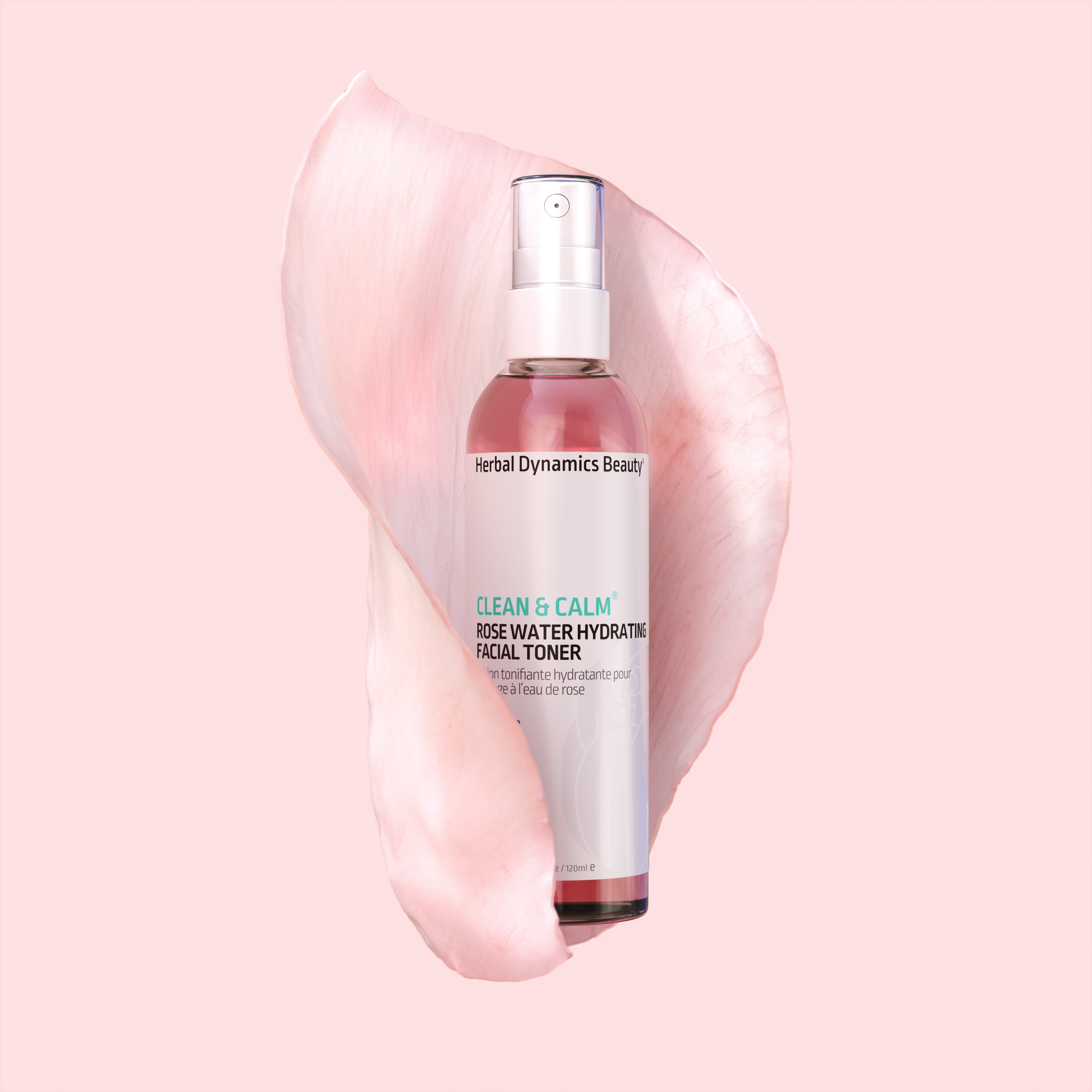
The best toner for combination skin usually adds comfortable hydration without stripping the drier areas. You can vary where you apply a product; an oily T-zone does not mean your cheeks need an astringent or exfoliating toner.
Notice whether the cheeks feel tight after washing, whether the forehead is simply shiny or actually congested, and whether your current products cause stinging. Those observations help define the routine problem. They do not diagnose an abnormal skin pH or prove that your skin is “overcompensating” for dryness.
| Area or concern | Practical toner choice |
|---|---|
| Dry-feeling cheeks | A light humectant layer if moisturizer alone is not comfortable enough |
| Oily but comfortable T-zone | No additional toner may be needed |
| Congested T-zone | Evaluate an appropriate active separately from a hydration step |
| Sensitive or irritated patches | Avoid experimenting on them; simplify the routine |
| Sticky or heavy overall finish | Reduce duplicated layers before adding another formula |
Humectants such as glycerin or hyaluronic acid are useful ingredients to look for, but the whole formula determines texture and tolerance. A lightweight finish is a preference, not proof that a product can never clog pores. A single ingredient score cannot guarantee how the finished toner will behave on your face.
Hyaluronic acid versus glycerin covers that ingredient comparison. If you already use a comfortable humectant serum, toner may repeat the same job.
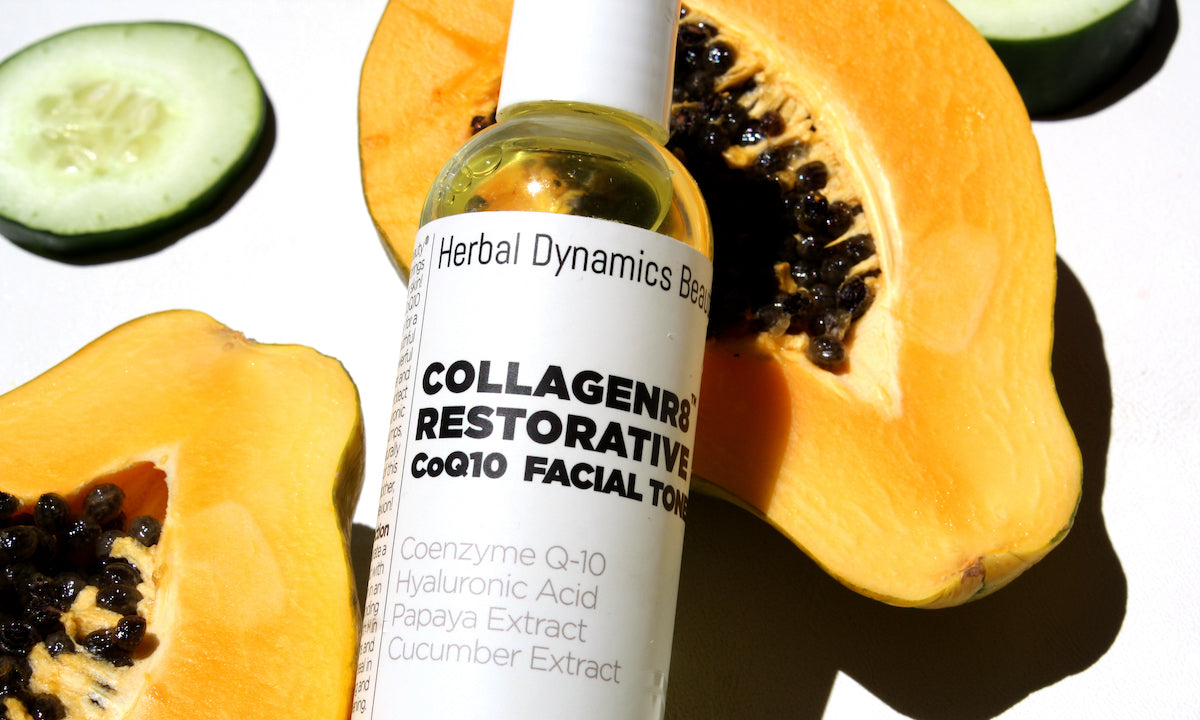
CollagenR8® Restorative CoQ10 Facial Toner is an available light formula containing aloe, hyaluronic acid, ubiquinone and botanical extracts. It may fit if you want an optional hydration step and tolerate the full ingredient list. It is not a treatment that automatically balances oil in one zone and moisture in another.
For formula details and limitations, read the CoQ10 toner guide. If botanical ingredients trigger reactions, the sensitive-skin selection guide is a more useful starting point.
When consistent with the label, a hydration product need not be applied everywhere just because it is called a facial toner. You might use it where an extra layer is comfortable and skip areas that already feel fine. Keep moisturizer suited to each zone and sunscreen coverage adequate across exposed skin.
An exfoliating or medicated product requires its own label-directed plan. Do not improvise an aggressive spot routine on dry patches or assume localized use removes all irritation risk.
Usually there is no need to start there. One simple routine with adjusted application is easier to assess. If treatment is needed for clogged pores, decide on that treatment rather than automatically buying a second toner.
Hydrating versus exfoliating toner explains the distinction; the oily and acne-prone toner guide covers congestion-related choices.
Cleanse gently, use moisturizer where needed and finish the morning with sunscreen. Add the optional toner only if it supplies a noticeable benefit. If skin stings or flakes after a recent change, remove the irritating extra and reassess.
Use the combination-skin routine for the full plan. Return to the main toner buying guide or the toner overview for broader decisions.
Updated September 20, 2026. General skincare education.