Your Cart is Empty
Neither hyaluronic acid nor glycerin is universally “better.” Both are humectants that support water in the outer skin layer. Glycerin has an especially long record in moisturizer research; hyaluronic acid is valued for its film-forming feel and temporary plumping effect. Many well-designed formulas combine them.
| Feature | Hyaluronic acid | Glycerin |
|---|---|---|
| Ingredient type | Large sugar polymer / glycosaminoglycan | Small polyol |
| Main cosmetic role | Humectancy, surface film, slip | Humectancy, solvent and formula support |
| Texture | Can create gel-like slip or tack at higher polymer levels | Can feel silky or sticky depending on concentration and vehicle |
| Evidence | Topical-formula studies support hydration and temporary appearance benefits | Substantial literature supports skin hydration and barrier-related functions |
| Best choice | The well-formulated, comfortable product you can use consistently | |
A head-to-head answer cannot be made from the ingredient names alone. Concentration, molecular weight, supporting ingredients and vehicle determine finished-product performance. A small study of a formula containing both 1% hyaluronic acid and 5% glycerin reported short-term hydration changes, but it cannot isolate the contribution of either ingredient.
Avoid translating water-binding measurements from raw materials into guaranteed results on human skin. “Holds X times its weight in water” is not a consumer outcome.
Both can be tolerated by sensitive skin, but sensitivity applies to the whole formula. Fragrance, botanical extracts, preservatives or active ingredients may matter more than the choice between these two humectants. Patch test if you are reactive.
Either can add hydration, but dry skin generally benefits from a moisturizer with emollient or occlusive support. A humectant-only serum may not address lipid deficiency or increased transepidermal water loss. See how to use hyaluronic acid for dry skin.
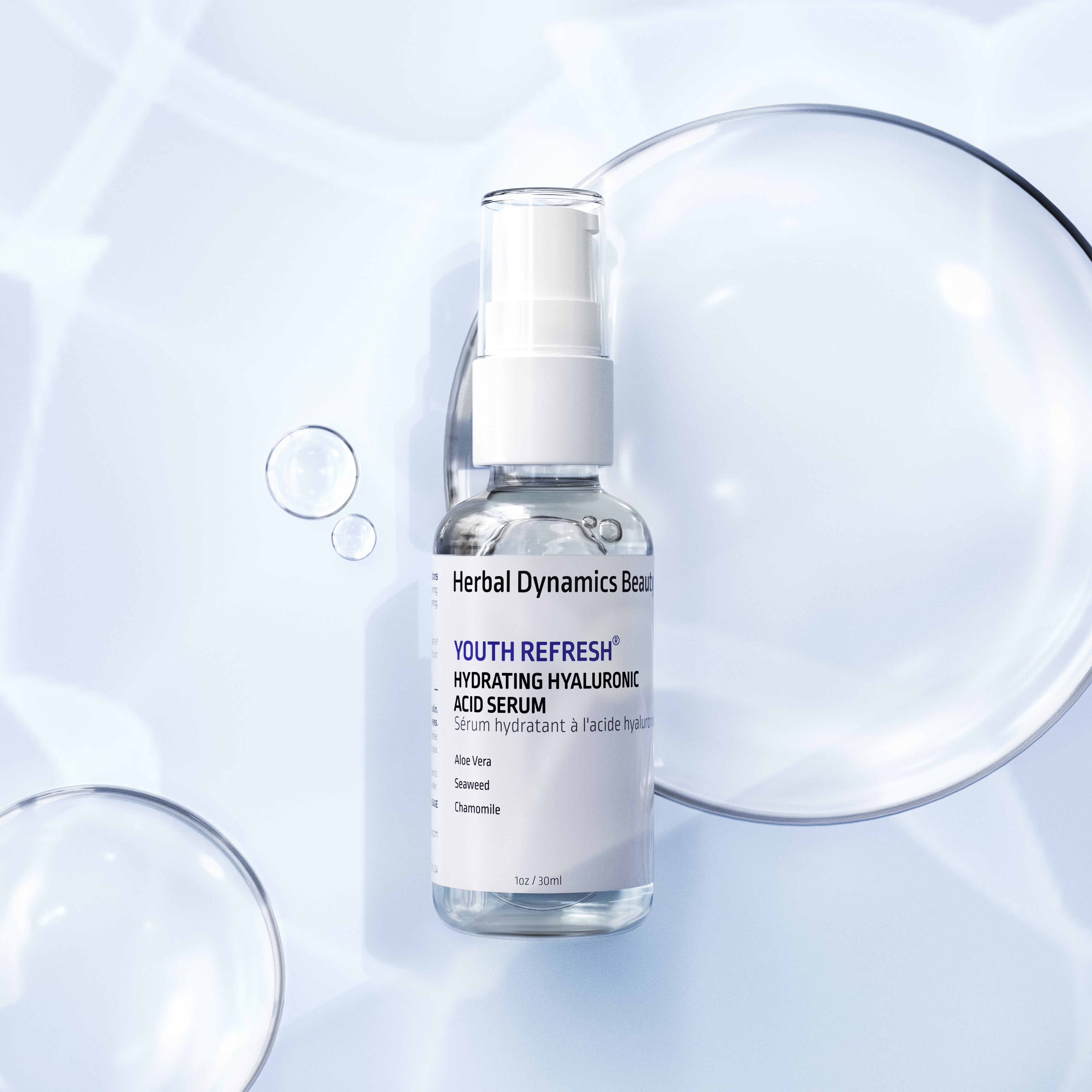
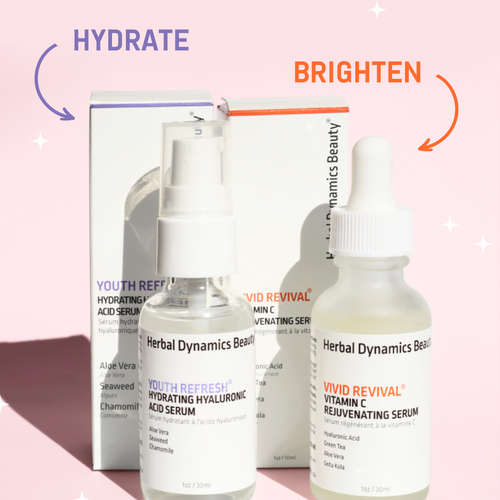
Yes. They have no known routine conflict, and formulators often combine them to balance hydration and sensory feel. Youth Refresh® Hydrating Hyaluronic Acid Serum contains hyaluronic acid, vegetable glycerin and sodium PCA in the same formula.
For a deeper ingredient profile, read glycerin for skin and our hyaluronic acid guide.