
Your Cart is Empty


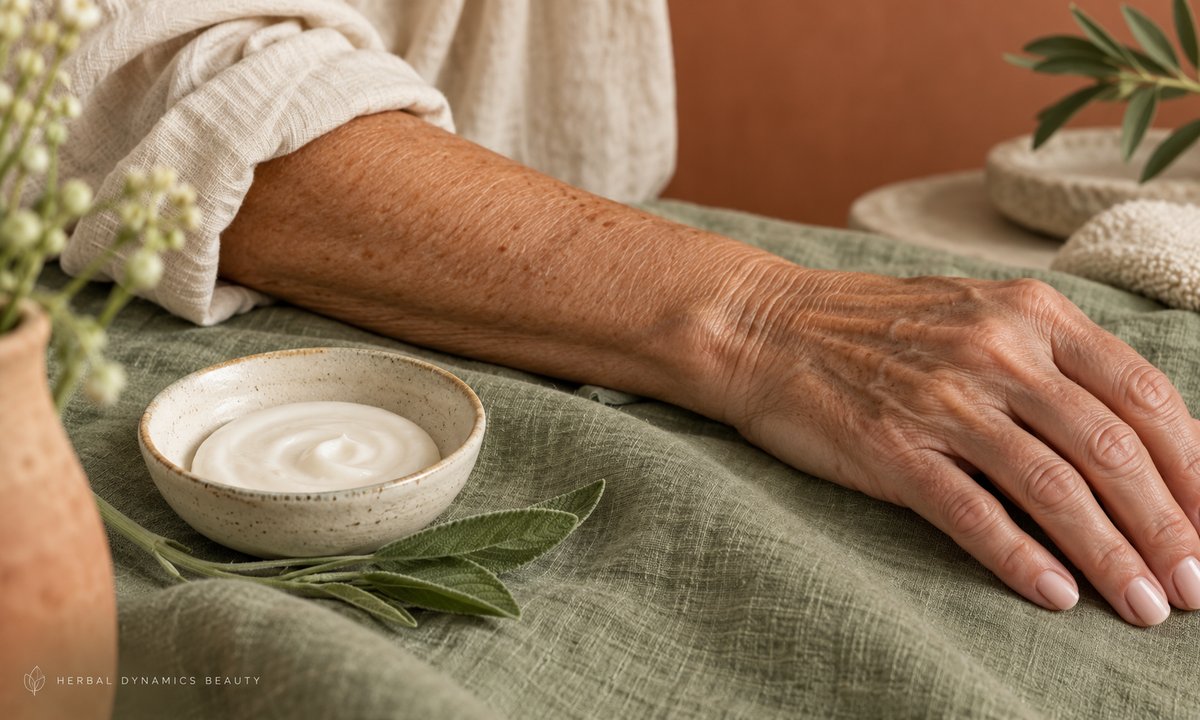
Cellulite is the common dimpled appearance created by the relationship between skin, underlying fat and connective-tissue bands. It is not evidence of poor hygiene or a buildup of toxins. Body creams may improve surface softness and sometimes the appearance of dimpling, but they do not permanently remove the structures involved.
The arrangement of fibrous bands and fat beneath the skin helps explain the uneven surface. Skin thickness, connective-tissue structure and other individual factors influence how visible it is. The review of cellulite anatomy describes why this is more complicated than simply “too much fat.”
Cellulite is common, including in fit people. It is not a personal failure and does not need treatment for the sake of having a normal body texture. Ordinary cellulite is also different from cellulitis, a potentially serious skin infection.
| Approach | Possible role | Important limit |
|---|---|---|
| Ordinary body moisturizer | Softens dry surface texture and improves comfort | Does not remove the fibrous bands underneath. |
| A studied caffeine formulation | May improve visible dimpling in some settings | Results belong to the tested formula; permanence is not established. |
| Retinoid body product | Some formulations have been studied for skin appearance | Ingredient, concentration, tolerance and pregnancy precautions matter. |
| Massage or dry brushing | May alter feel or short-term appearance | Does not establish fat loss or lasting cellulite removal. |
| Professional procedures | Some target deeper structures | Require individualized assessment of benefits, risks and durability. |
Our caffeine body-cream guide discusses the controlled evidence. Do not translate a study of one ingredient or concentration into a promise about any body butter that contains coffee oil.
If the surface also feels dry, moisturizer can make it more comfortable and less rough-looking. That is a useful reason to apply it even if dimples remain. Evaluate the finish and tolerance as you would for any body product, rather than expecting it to change your body shape.
For options, start with body moisturizers by skin need. The firming cream guide explains how to read cosmetic claims without confusing a smoother surface with a permanent lift.
Dry brushing does not “flush out” cellulite. Massage results reported for particular devices cannot be assumed for a hand massage at home. Our dry brushing and massage guide covers those distinctions.
Likewise, evidence about oral ingredients is not evidence that a topical product removes cellulite. See MSM and skin claims for one example. Do not take supplements or apply unregulated mixtures on the assumption that cellulite means you need a detox.
Lighting, posture, muscle tension and camera angle can change the appearance of dimpling. Look for controlled assessments with comparable conditions, not only selected photographs. Ask whether the result was measured against the same moisturizing base and whether it lasted after use stopped.
The clinical review of current cellulite treatments describes varied methods and limitations. A dermatologist can discuss options if you want them, including the possibility that a treatment’s cost or risks do not fit your goals.
A new painful, hot, swollen or rapidly changing area needs medical assessment. Do not massage it or assume it is a cosmetic concern. Gentle body care is appropriate for comfort; unexplained symptoms require a different kind of attention.
By Herbal Dynamics Beauty • Updated September 24, 2026






