Your Cart is Empty
A body moisturizer helps dry skin hold water and feel softer. Choose its texture and ingredients for the area you are treating, how dry it feels, and what your skin tolerates. A lotion may be enough for comfortable arms; flaky shins may need a richer cream. “Body butter” describes a product style, not a guarantee of better hydration or firming.
This guide explains the choices. For recommendations organized by skin need, go to our body moisturizer and body butter buying guide.
The outer skin layer needs water and a functioning barrier to stay flexible. A moisturizer can combine water-binding ingredients with materials that soften the surface and limit moisture loss. That can make dry lines and scaling less noticeable. It does not replace lost tissue, remove fat, or permanently lift loose skin.
Body care also has practical demands: covering large areas, dressing afterward, managing shaving and sweat, and reaching the legs or back. A formula you can spread comfortably and use consistently is more useful than a texture you avoid.
| Role | Examples on a label | Why it matters for body care |
|---|---|---|
| Humectant | Glycerin, hyaluronic acid, urea | Helps bind water; useful within a complete lotion or cream. |
| Emollient | Squalane, plant oils, mango or shea butter, fatty alcohols | Adds softness and slip to rough-feeling skin. |
| Occlusive | Petrolatum, dimethicone and other film-forming ingredients | Helps reduce water loss; particularly useful on dry patches. |
| Barrier lipids | Ceramides, cholesterol and fatty acids | Can form part of a moisturizer designed for dry skin. |
These categories overlap; the whole formula determines performance. Water is useful in an emulsion. Cetearyl alcohol is a fatty alcohol used for texture and softness, not the same ingredient as drying ethanol. Mineral oil and silicones should not be dismissed as useless fillers.
For deeper explanations, see humectants, emollients and occlusives, glycerin, squalane and hyaluronic acid and dry skin.
Lotions usually spread easily; creams often feel richer. A body butter may be an oil-and-butter blend or a water-containing cream. An oil can add slip and help retain moisture, but a waterless oil does not supply the water phase of a lotion.
Compare body lotion, cream and butter before choosing. If you already have an oil, our body oil versus lotion guide explains when it helps and how to layer it.
Start with causes of dry body skin and moisturizers for very dry body skin. A persistent raised, itchy or inflamed patch may need a diagnosis. Our rough body skin guide separates surface dryness from bumps that need a different approach.
For specific areas, use the guides to dry legs and dry elbows and knees. Adjust coverage and texture with winter and summer conditions rather than changing every product on a fixed calendar.
Moisture can improve surface comfort and the look of dryness. Read what causes crepey-looking skin before shopping for mature-skin body moisturizers or firming body lotions and creams. Claims about a permanent lift go beyond ordinary cosmetic moisturization. Collagen and elastin explain a different level of skin structure.
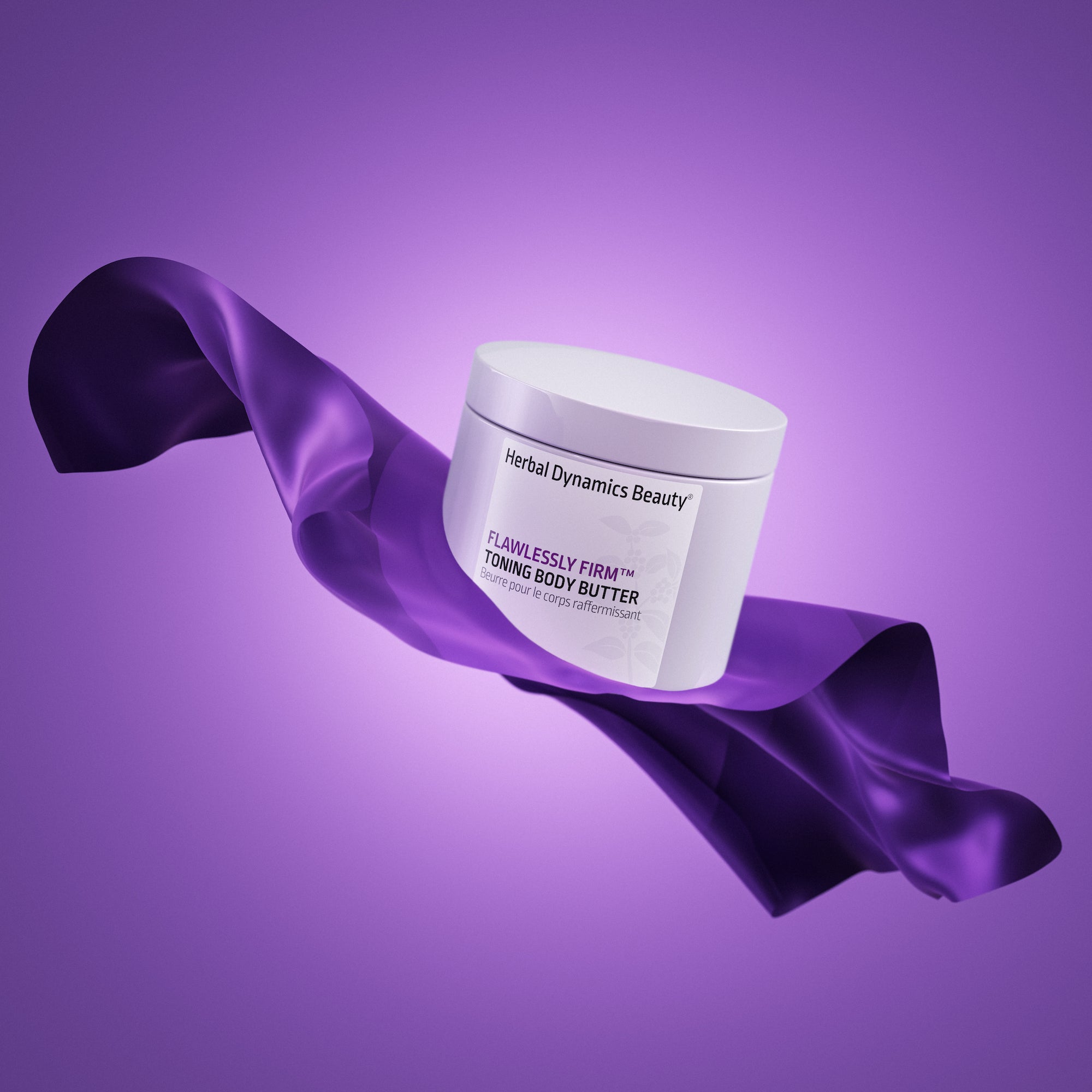
Start with how body butter works and the shea, mango and cocoa butter comparison. For one finished-formula example, Flawlessly Firm™ Toning Body Butter combines glycerin, mango butter, oils and dimethicone in a water-based body butter. Check the full label, including fragrance and retinyl palmitate, before deciding whether it suits you.
Keep cleansing gentle, pat the skin after bathing, and apply moisturizer while it is still slightly damp. Add more where dryness returns. Follow any treatment-specific instructions if you also use a medicated product. Our body moisturizing routine covers timing, amount and frequency.
Research on topical vehicles explains why texture, application area and the complete formula matter. It does not establish that every butter outperforms every lotion. The skin barrier guide adds background without turning a body routine into an unnecessarily long facial regimen.
For dimpling, use the dedicated cellulite guide. Caffeine body creams, coffee oil, MSM and horse chestnut and kola nut each require ingredient-specific evidence. A botanical name alone is not a clinical result.
By Herbal Dynamics Beauty • Updated September 24, 2026