
Your Cart is Empty


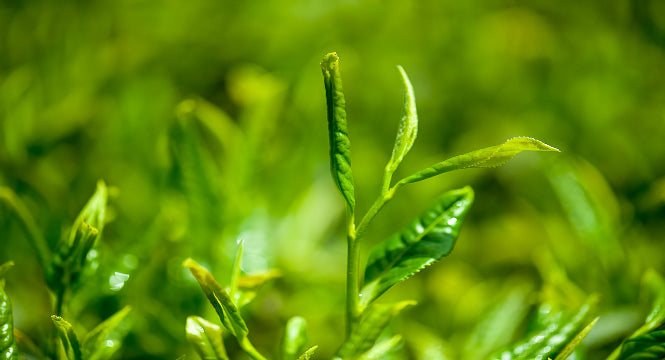
Green tea and niacinamide can both fit facial skincare, but they answer different ingredient questions. Green tea is a variable botanical extract with catechin research. Niacinamide is a defined form of vitamin B3 with evidence relating to skin lipids, barrier function and selected cosmetic outcomes. Neither is the automatic winner for every skin type.
Begin with green tea's background or the niacinamide overview if the ingredient names are new to you.
| Decision | Green tea | Niacinamide |
|---|---|---|
| Identity | An extract containing multiple compounds | A named vitamin B3 ingredient |
| Label uncertainty | EGCG and caffeine content may not be disclosed | Percentage may be disclosed, but does not reveal the whole formula |
| Oily-skin evidence | Small studies of specific tea preparations | Human studies of particular niacinamide moisturizers |
| Barrier question | Antioxidant interest does not establish barrier repair | Research includes skin-lipid and barrier-function measures |
A niacinamide study tested a 2% formulation and measured facial sebum. Separate green tea research measured sebum after use of specified extract emulsions. Because these trials used different products and methods, they do not show that one ingredient outperforms the other.
They also do not establish that a higher advertised percentage is better. A percentage of niacinamide and a percentage of tea extract describe different materials. For practical context, compare green tea for oily skin with niacinamide for oily and combination skin.
Niacinamide's barrier rationale includes research on skin lipids and water loss. Green tea's antioxidant and inflammatory-pathway research is a different line of evidence. Neither ingredient name diagnoses why your face is red or guarantees comfort during a flare.
Choose a simple, tolerable moisturizing routine first. Then consider whether an optional active has a clear purpose. The skin-barrier guide and green tea tolerance guide explain why adding more ingredients can complicate reactive skin.
Less shine is not the same as acne clearance, and a smoother-looking surface does not establish permanent pore shrinkage. If breakouts are the concern, use the acne-care guide and keep evidence-based treatment decisions separate from optional cosmetics.
You can choose a product for a pleasant finish without claiming that its highlighted ingredient treats every underlying cause.
They can appear in the same routine or finished formula. There is no need to invent separate morning and evening schedules solely because both names are present. Still, the complete products and your reaction history determine tolerance.
A formula containing both does not prove synergy. Do not add concentrated tea powder to a niacinamide serum or combine products in their original bottles. Use the compatibility guide for a practical approach.
Decide what step you need, check the full ingredient list and introduce one change. If a niacinamide product already works for you, green tea is not a mandatory upgrade. If a comfortable moisturizer contains tea, you do not need to replace it simply to collect another active.
The green tea selection guide and niacinamide selection guide keep the decision tied to the whole formula.
By Herbal Dynamics Beauty · October 1, 2026






