Your Cart is Empty
Green tea can appear alongside many familiar skincare ingredients, but compatibility depends on the finished products and your skin. A combination can be sensible without having clinical proof that the ingredients boost one another. Follow each product's directions and add only steps with a clear purpose.
Start with green tea's ingredient evidence. There is no need to build seven separate routines for seven possible pairings.
| Pairing | Why it may appear in a routine | What it does not establish |
|---|---|---|
| Vitamin C | Different antioxidant ingredients in a facial formula | That all vitamin C derivatives have identical evidence |
| Niacinamide | A separate ingredient with barrier and sebum research | That adding tea increases niacinamide's effect |
| Hyaluronic acid | Humectant hydration in the same step | That green tea caused a hydrated or plumper look |
| Retinoids | An optional botanical beside a distinct active or treatment | That tea prevents retinoid irritation |
| Caffeine | A defined ingredient alongside a variable extract | A known caffeine dose from the tea alone |
| Vitamin K | A combination used in some eye-area formulas | Proven synergy for dark circles |
| CoQ10 | Another antioxidant identity in a broader routine | That more antioxidants necessarily improve visible results |
The most useful question is whether you tolerate the whole formula. There is no consumer rule requiring green tea and these ingredients to be used at opposite times. A formula's pH, solvents, active form and directions still matter; ingredient names alone cannot certify compatibility.
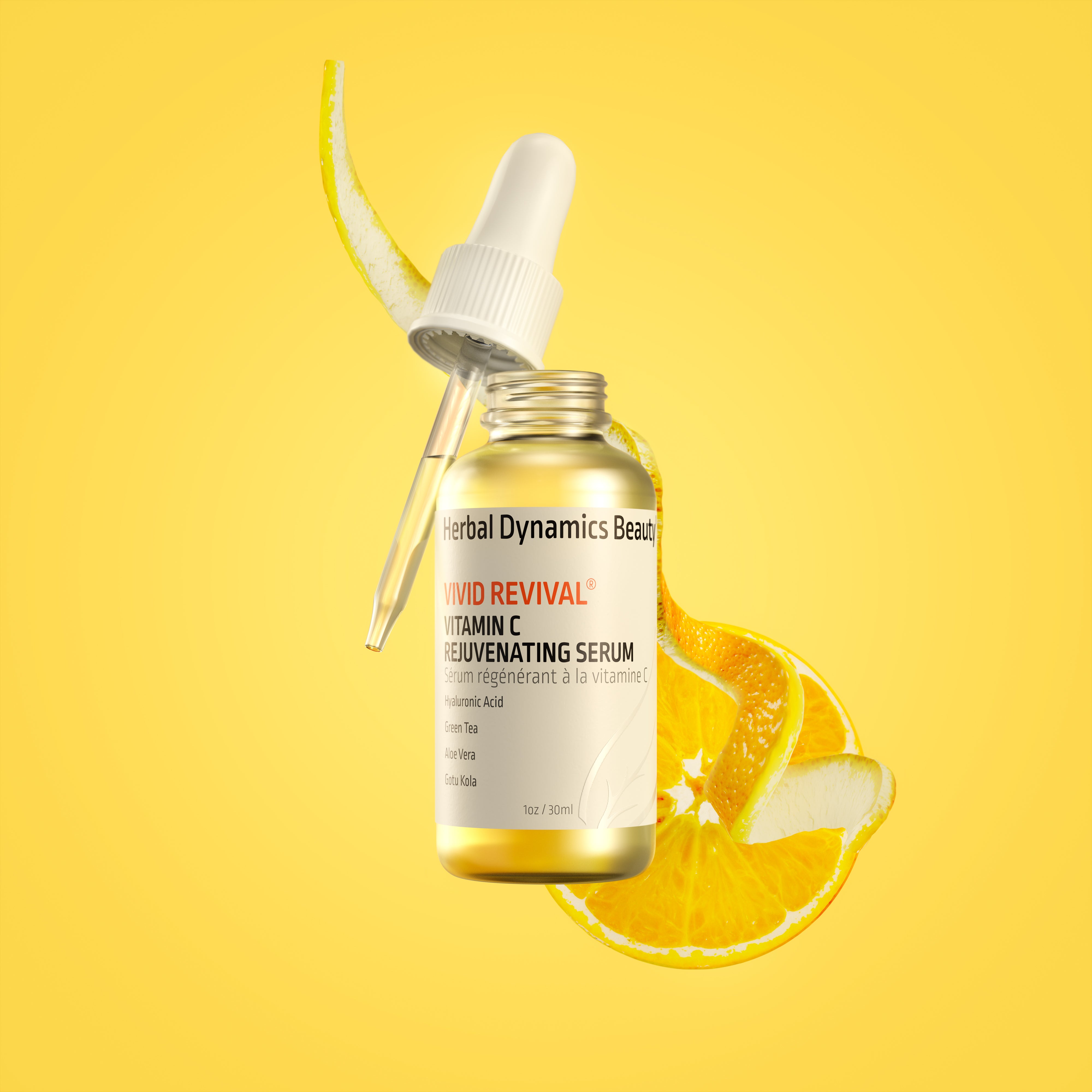
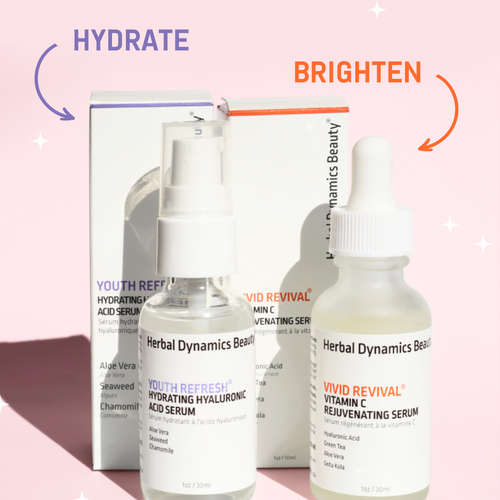
Herbal Dynamics Beauty Vivid Revival® Vitamin C Rejuvenating Serum lists Camellia sinensis leaf extract, ethyl ascorbic acid, hyaluronic acid, aloe and glycerin. It illustrates a combined formulation. It should not be described as a trial-proven synergistic tea-and-vitamin-C treatment.
Use green tea versus vitamin C or the niacinamide comparison when your decision is which ingredient better fits a goal.
Keep the retinoid's instructions in charge of the routine. A moisturizer containing green tea may fit, but a botanical extract does not cancel dryness, peeling or sensitivity from another product. Do not add several unfamiliar actives while increasing retinoid use.
For prescribed acne care, ask the prescriber about changes that affect application. For cosmetic layering, see the retinol combination guide. Retinyl palmitate, retinol and prescription retinoids are distinct ingredients; a shared vitamin A family does not make their evidence interchangeable.
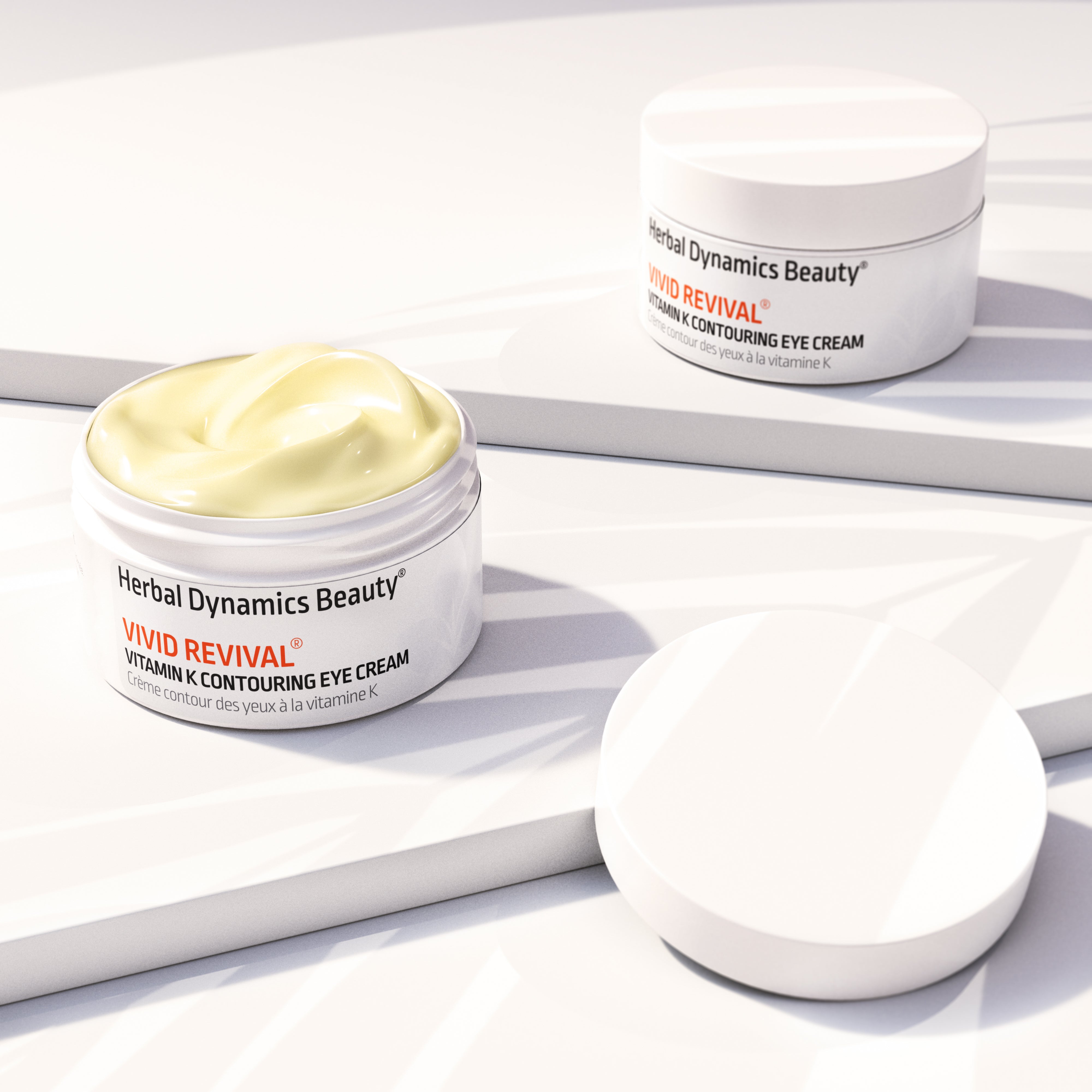
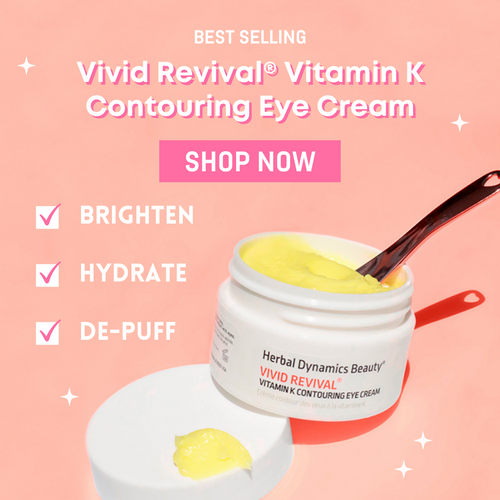
Vivid Revival® Vitamin K Contouring Eye Cream contains both Camellia sinensis leaf extract and phytomenadione, with humectants and oils. The current ingredient list also includes retinyl palmitate and does not specify a caffeine concentration.
Assess it as a complete moisturizing eye formula. The Green Tea + Vitamin K discussion covers the evidence boundary, while the caffeine comparison distinguishes an extract from a measured ingredient.
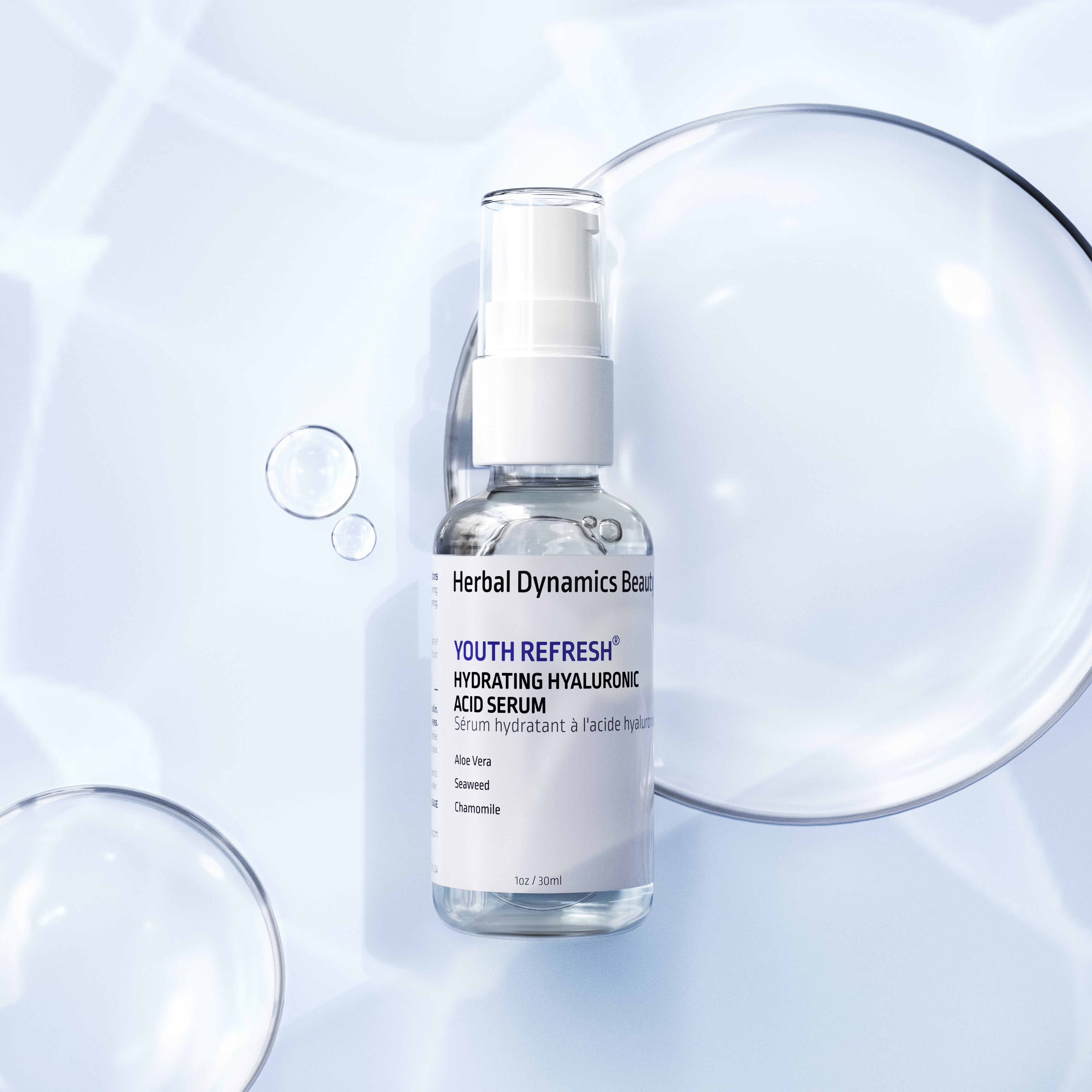
Hyaluronic acid can help serve the hydration step; CoQ10 adds another ingredient identity. Neither requires a separate bottle if a suitable formula already meets your needs. The existing CoQ10 compatibility guide covers that side of the routine.
Formulation studies examine particular vehicles and stabilizing ingredients. They do not justify mixing raw EGCG, supplements or brewed tea into skincare at home. Such changes alter a product that was designed and preserved as a complete formula.
Introduce one change, keep familiar essentials steady, and separate application times if that makes the routine easier to tolerate. Stop an optional product that repeatedly irritates. The application guide explains order and frequency, and the selection guide helps avoid duplicate steps.
By Herbal Dynamics Beauty · October 1, 2026