Your Cart is Empty
Green tea and vitamin C are different antioxidant choices, and neither is universally better for skin. Green tea is an extract containing a mixture of compounds; vitamin C products may contain ascorbic acid or one of several derivatives. Compare the actual formula and evidence for your goal rather than an antioxidant ranking.
Our green tea guide and vitamin C guide explain each ingredient's background.
| Question | Green tea | Vitamin C |
|---|---|---|
| What is on the label? | Often Camellia Sinensis Leaf Extract | Ascorbic acid or a named derivative |
| What varies? | Catechin composition, extraction and stability | Active form, concentration, vehicle and stability |
| Where is research interest? | Oxidative pathways and selected sebum, acne and UV-response studies | Antioxidant activity and formula-specific tone and photoaging outcomes |
| What cannot be assumed? | A standardized EGCG dose from the extract name | Identical evidence for every derivative and ascorbic acid |
A placebo-controlled study of a 5% ascorbic acid cream reported improvement in selected photoaging measures. That supports interest in the tested vitamin C preparation, not automatic equivalence for every serum sold under the vitamin C name.
Green tea has its own topical studies, including experimental UV-response research. These are not head-to-head comparisons with vitamin C, and a difference between two unrelated study results cannot establish which ingredient is superior.
For a closer look at Green Tea's oxidative and appearance-related claims, see the antioxidant evidence guide. Both ingredients need a stable and tolerable finished formula.
Yes, a finished product may contain both. That is different from adding raw ingredients or mixing two products into one bottle. Follow each formula's directions and judge your skin's response.
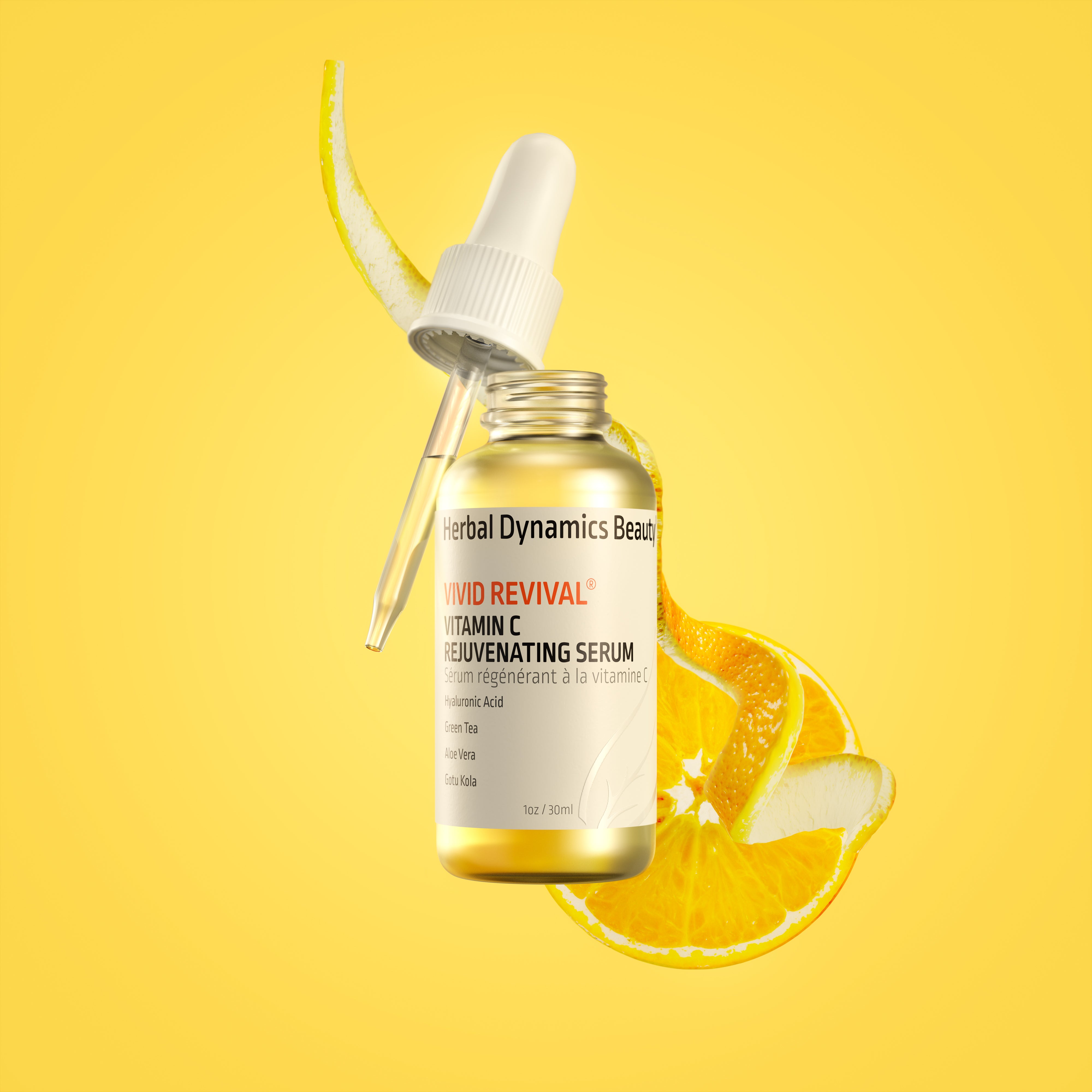
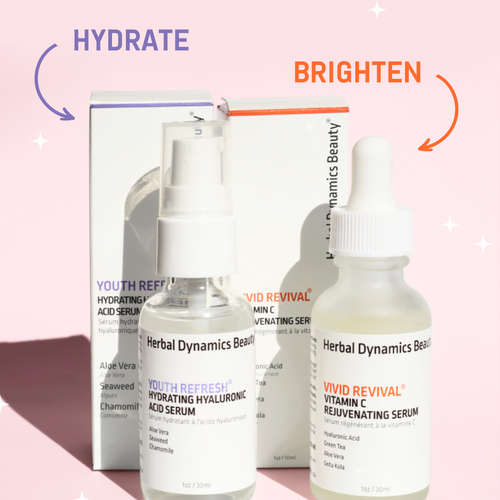
Herbal Dynamics Beauty Vivid Revival® Vitamin C Rejuvenating Serum lists ethyl ascorbic acid and Camellia sinensis leaf extract with humectants. It is a concrete example of a combined facial serum. Its ingredient list does not establish that it duplicates an ascorbic acid trial or a standardized EGCG preparation.
The ethyl ascorbic acid guide explains that specific vitamin C form. There is no need to add a second antioxidant serum if the existing step already suits your needs.
Check the ingredient identity, product directions, packaging, texture and any finished-product evidence. Introduce one change at a time and keep sunscreen in your morning routine; neither antioxidant replaces it.
Use the green tea selection guide or the vitamin C selection guide to compare formulas within the category you choose. A well-tolerated routine is more useful than chasing a universal winner.
By Herbal Dynamics Beauty · October 1, 2026