Your Cart is Empty


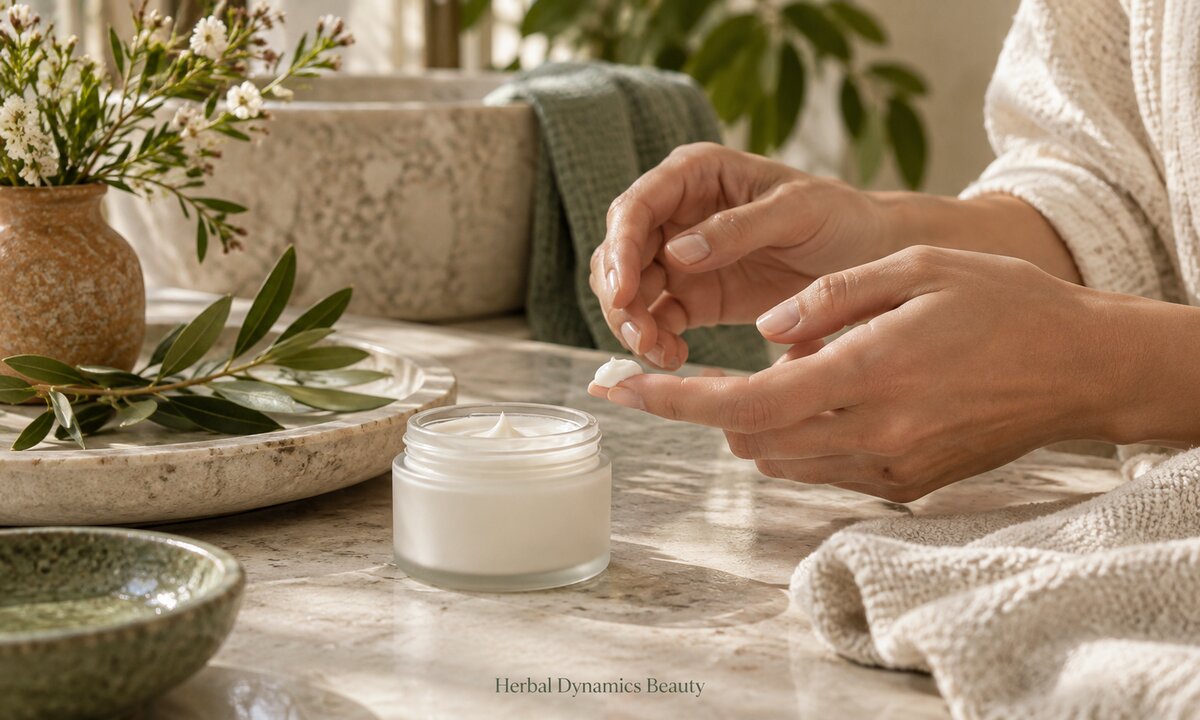
Rough body skin can reflect dryness, friction or a buildup of scale, but small bumps and persistent patches may have other causes. Start with gentle cleansing and moisturizer. Add exfoliation only when the skin is comfortable and the product fits the problem; vigorous scrubbing can make irritation worse.
| What you notice | What to consider | A useful next step |
|---|---|---|
| Flat, flaky or tight skin | Ordinary dryness or irritation | Simplify cleansing and use a suitable moisturizer. |
| Small rough bumps around follicles, often on upper arms or thighs | Keratosis pilaris is one possibility | Ask for advice if uncertain; use area-appropriate care. |
| Pimples, tender bumps or itchy uniform spots | Acne, folliculitis or another rash may be involved | Do not assume all bumps need a heavy butter or scrub. |
| A sharply defined, persistent scaly patch | A skin condition rather than simple lack of moisture | Arrange assessment instead of repeatedly peeling it. |
Skin tone can affect how irritation appears. Look for changes in texture, symptoms and color rather than expecting every irritated area to look bright red.
Apply a comfortable body moisturizer regularly, especially after washing. Judge whether tightness and flaky surface texture settle before adding an exfoliant. For ingredient and texture choices, read moisturizers for very dry body skin.
Reduce rubbing from rough fabrics or repeated abrasive tools. A washcloth, brush and acid lotion used together can create more irritation than a single carefully chosen product.
For some thick, rough areas or diagnosed keratosis pilaris, products containing urea, lactic acid or another suitable keratolytic may help manage excess surface scale. Choose a product intended for the body area and follow its instructions. Start with one such product, not several overlapping treatments.
The American Academy of Dermatology’s keratosis pilaris guidance explains that treatment depends on the concern and tolerance. A moisturizing product may manage dryness without removing every bump. Maintenance is often needed; promising a permanent cure would be misleading.
Skip acids and abrasive tools on broken, sunburned, actively irritated or freshly injured skin. Stop if a product causes persistent burning or worsening irritation. Thick callus treatments should not be spread across thin arms or the chest just because both areas feel rough.
For elbows and knees, see targeted rough-patch care. For rough shins after shaving, use the dry legs routine before reaching for a stronger exfoliant.
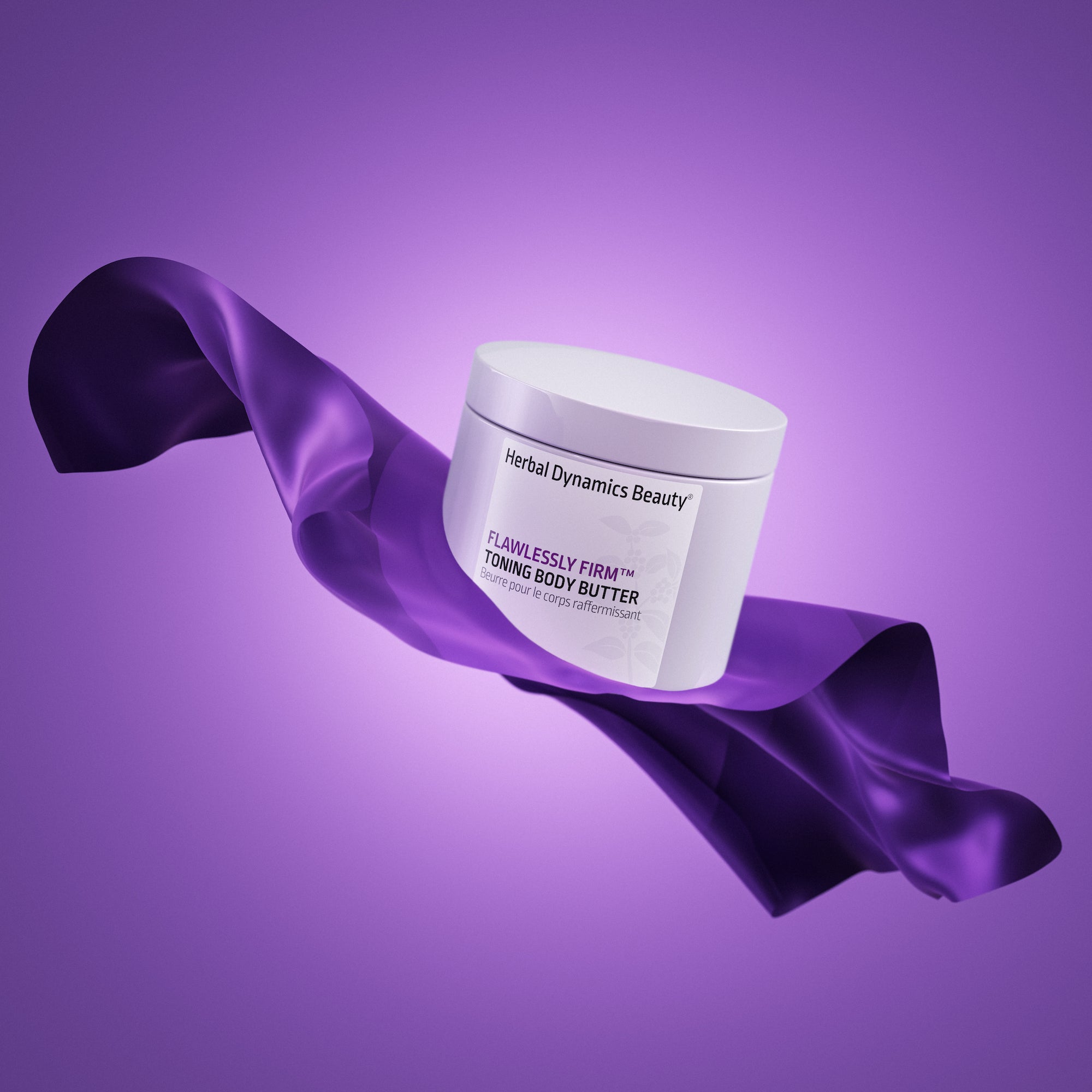
A moisturizer can soften a dry surface, which may improve how it looks. That is different from clearing follicular bumps or tightening loose skin. Choose the claim that matches the problem. Our firming cream guide explains how to judge those claims.
Seek assessment for pain, spreading warmth or swelling, pus, recurrent bleeding or a patch that does not heal. Persistent itch or roughness that fails to improve with gentle care also deserves a closer look. Appearance alone cannot identify every cause.
By Herbal Dynamics Beauty • Updated September 24, 2026