Your Cart is Empty
For very dry body skin, a fragrance-free cream with both water-binding and moisture-retaining ingredients is a useful starting point. An ointment can add protection to selected stubborn patches. The richest-sounding body butter is not necessarily the best choice: its fragrance, active ingredients and overall finish also matter.
This guide focuses on buying for dryness on the arms, legs and trunk. For the wider range of body-care needs, see our body moisturizer buying guide.
| Label feature | Reason to consider it | Buying caution |
|---|---|---|
| Glycerin or another humectant | Water-binding support within the formula | A humectant serum alone may leave very dry body areas insufficiently protected. |
| Petrolatum or dimethicone | Helps limit water loss | Choose a finish you can wear comfortably; an ointment can be reserved for small areas. |
| Ceramides with other formula lipids | A moisturizing approach that addresses barrier lipids | One ingredient does not establish that the product will outperform every alternative. |
| Urea in a body moisturizer | Can help with dryness and, depending on concentration, rough scale | May sting damaged skin; high-strength foot treatments are not default all-over body lotions. |
| Fragrance-free labeling | Reduces avoidable fragrance exposure | Still check for ingredients that have caused your own reactions. |
A lotion can work if it delivers enough comfort and you apply it consistently. If your shins soon feel tight again, a richer cream is a reasonable next choice. If only the elbows need extra protection, use a heavier product there instead of making every area feel coated.
Butter-containing creams can be useful. Waterless butter blends supply a different balance of ingredients, so judge them by performance on your skin rather than assuming “no water” means more effective. Our format comparison explains the distinction.
Urea can be helpful when dryness comes with persistent rough, thickened scale on intact skin. Its moisturizing and exfoliating effects depend partly on concentration. The dermatology review of urea supports different concentrations for different tasks; stronger is not universally better.
Choose a body product appropriate to the area and follow its directions. Avoid experimenting with high-strength callus removers on thin, irritated or broken skin. If you have reduced sensation, diabetes-related foot problems or an uncertain diagnosis, get individualized advice.
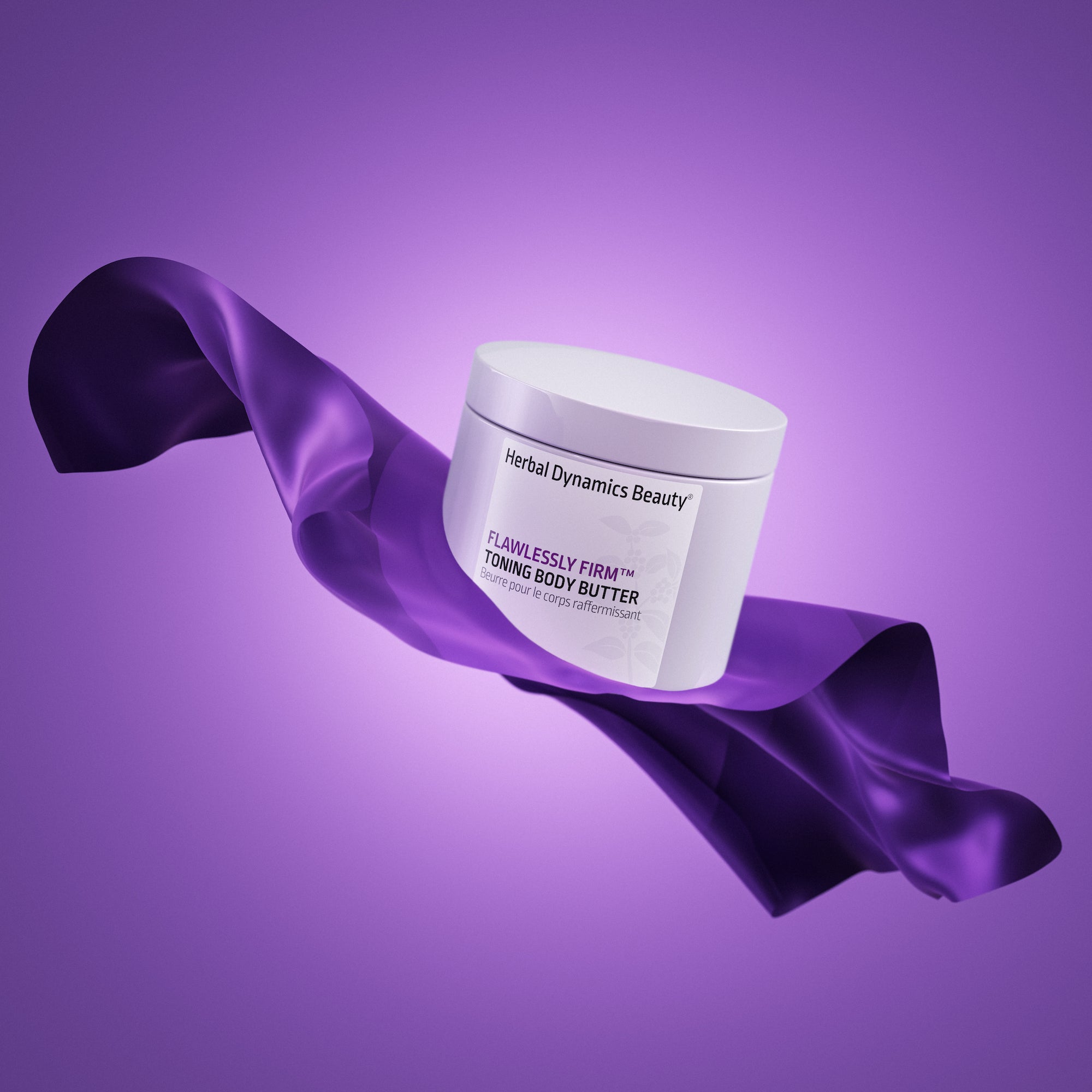
Flawlessly Firm™ Toning Body Butter contains a moisturizing blend including glycerin, mango butter, oils and dimethicone. It can fit dry body skin when you enjoy and tolerate its complete formula. It contains fragrance and retinyl palmitate, however, so a bland fragrance-free cream is a more straightforward starting choice for skin that is stinging, cracked or eczema-prone.
Avoid retinoid-containing formulas during pregnancy or while trying to conceive, and discuss breastfeeding use with your clinician. Its botanical ingredients do not make it a treatment for an itchy rash.
Long hot showers, vigorous towel drying and harsh cleansing can keep undermining comfort. Use your chosen moisturizer after bathing and add another application where needed. The body application guide helps you set up a repeatable routine.
Assess how the skin feels later in the day, not only the shine immediately after application. Less tightness and fewer dry flakes are more useful goals than a particular “absorbs instantly” claim. Keep a simple note of the product and any reaction if several formulas have been difficult to tolerate.
Seek advice for bleeding cracks, persistent inflammation, sleep-disrupting itch, a spreading rash or dryness that continues despite gentle care. Several conditions can resemble ordinary dryness. Our body dryness causes guide explains what to consider without diagnosing from appearance.
By Herbal Dynamics Beauty • Updated September 24, 2026