Your Cart is Empty
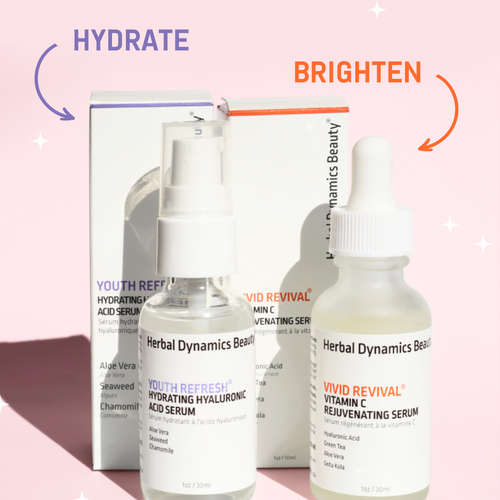
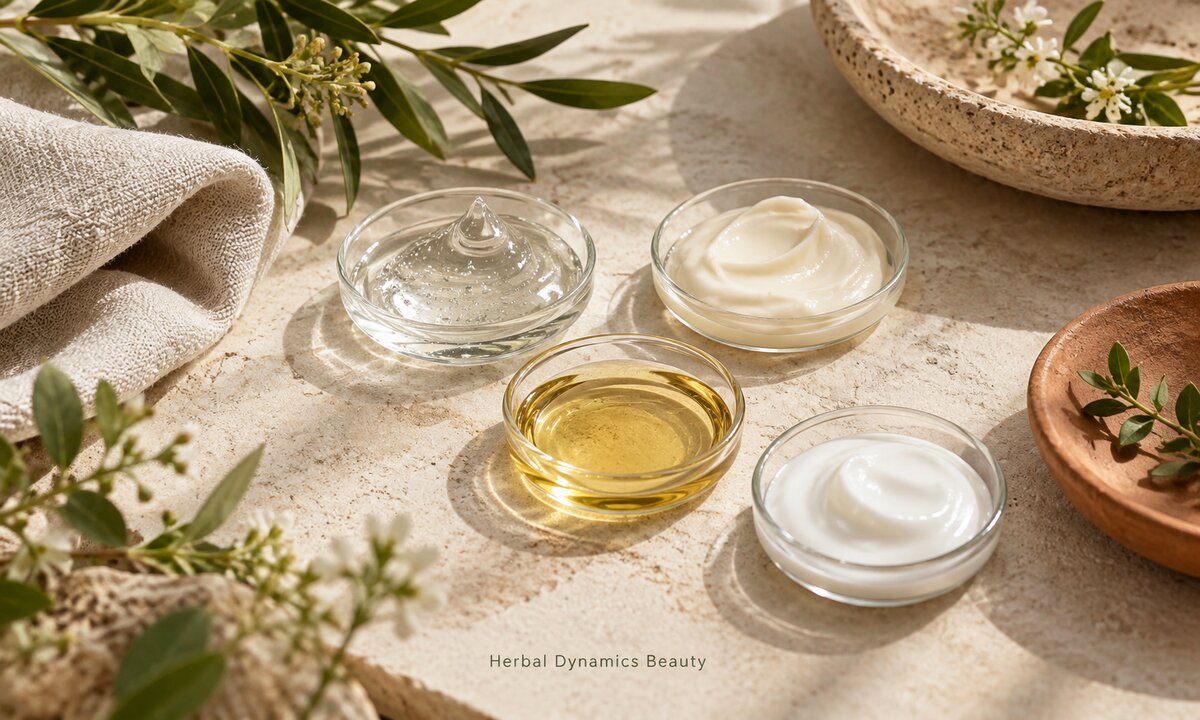
Squalane is an oil-soluble emollient used for softness and slip. Hyaluronic acid is a water-binding humectant used in hydrating formulas. They are not interchangeable, and a well-formulated moisturizer can contain both. You do not automatically need separate bottles.
Start with the squalane overview and the hyaluronic acid guide if either ingredient is unfamiliar.
| Question | Squalane | Hyaluronic acid |
|---|---|---|
| Primary cosmetic role | Emollient: contributes softness and lubrication | Humectant: binds water |
| Common format | Plain oil, oil serum or the lipid phase of a cream | Water-based serum, gel or moisturizer |
| What a simple format may lack | Plain oil has no water or separate humectant system | A light serum may provide little protective finish by itself |
| Useful comparison | Does the formula improve comfort without unwanted heaviness? | Does the formula improve hydration without irritation or tackiness? |
Ask what the current routine lacks. Roughness and an uncomfortable surface may benefit from an emollient. A water-binding ingredient can serve a different function. Many people address both in a single moisturizer rather than trying to classify the face as needing only “oil” or only “water.”
Our dry versus dehydrated skin guide explains the wider distinction. Squalane for dry skin focuses on the contribution of this particular emollient.
They can be used in the same routine when the products are compatible and tolerated. For a separate water-based hydrating serum and plain oil, a practical sequence is serum, moisturizer, then an optional small oil layer. Follow the actual product instructions, especially when either bottle contains additional actives.
A cream containing both ingredients may make that sequence unnecessary. Compare squalane oil with a moisturizer and use the application guide for format-specific order.
A lightweight HA-containing moisturizer may be sufficient if you do not want an oily finish. A squalane-containing cream can also be compatible with oily skin. The presence of either ingredient cannot guarantee that a finished product will never cause a breakout.
Judge the complete formula through the squalane and acne guide. Avoid adding an oil solely because a serum routine is supposed to have one.
Pilling does not, by itself, establish a chemical conflict between squalane and HA. Too many layers or a poor texture match can make a routine unpleasant. Reduce optional steps, allow each product to spread evenly and keep sunscreen at its labeled amount rather than thinning it with oil.
Compare how the product feels and what it replaces. If your current moisturizer already contains humectants and emollients and keeps skin comfortable, adding both a serum and an oil may duplicate a job already being done. The squalane product guide helps identify when a separate formula adds value.