Your Cart is Empty


Allergic shiners are dark or puffy areas beneath the eyes associated with nasal allergies and congestion. Congestion can affect the small veins around the nose and eyes, while itching and repeated rubbing may add irritation and post-inflammatory pigment. Eye cream can support the skin, but it does not treat allergic rhinitis.
Dark circles have many causes. Compare allergy-related signs with other patterns in our complete dark-circle causes guide.
| Common feature | Why it matters |
|---|---|
| Blue-gray, violet or brown darkness under both eyes | Congestion, visible vessels and pigment may overlap |
| Itchy, watery or red eyes | Often accompanies allergic symptoms |
| Stuffy or runny nose and sneezing | Points toward nasal allergy rather than skincare alone |
| Frequent eye rubbing | Can worsen irritation and pigment |
These signs are not exclusive to allergies. A clinician can distinguish allergic rhinitis from infection and other causes.
Allergic inflammation can cause nasal blockage and swelling. Medical literature has long described allergic shiners as color changes linked with venous congestion around the eyes. The appearance is cosmetic, but the underlying allergy needs its own assessment and treatment.
Itchy eyes invite rubbing. Friction can disrupt the delicate barrier, cause swelling and trigger lingering pigment after inflammation—especially in skin that is prone to post-inflammatory hyperpigmentation.
Congestion can interfere with restful sleep. Fatigue does not explain every dark circle, but it can make swelling, pallor and shadows more noticeable.
An allergist or other qualified clinician can identify triggers and recommend appropriate treatment. Do not apply nasal medications, antihistamine creams or essential oils around the eyes unless a clinician or product label specifically directs it.
Use a clean cool compress for brief comfort, keep hands away from the eyes and choose fragrance-conscious skincare that does not sting. If the skin is scaly or persistently inflamed, ask a dermatologist before adding actives.
Humectants and emollients can reduce dry-looking texture. They may help the area look smoother but will not open congested nasal passages.
Broad-spectrum sun protection and sunglasses can help limit the UV contribution to uneven tone. Select formulas intended for facial use and avoid getting sunscreen into the eyes.
An eye cream may improve dehydration, the look of surface discoloration and temporary puffiness. It cannot treat the immune response or guarantee that allergy-related darkness will disappear. When allergies are active, controlling the trigger and minimizing rubbing are usually more important than adding stronger skincare.
If you are comparing formulas, our best eye creams for dark circles guide organizes options by cause rather than treating all darkness alike.
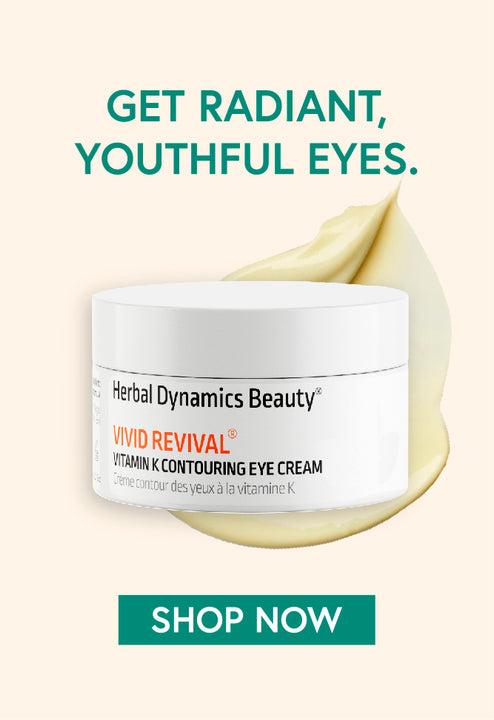
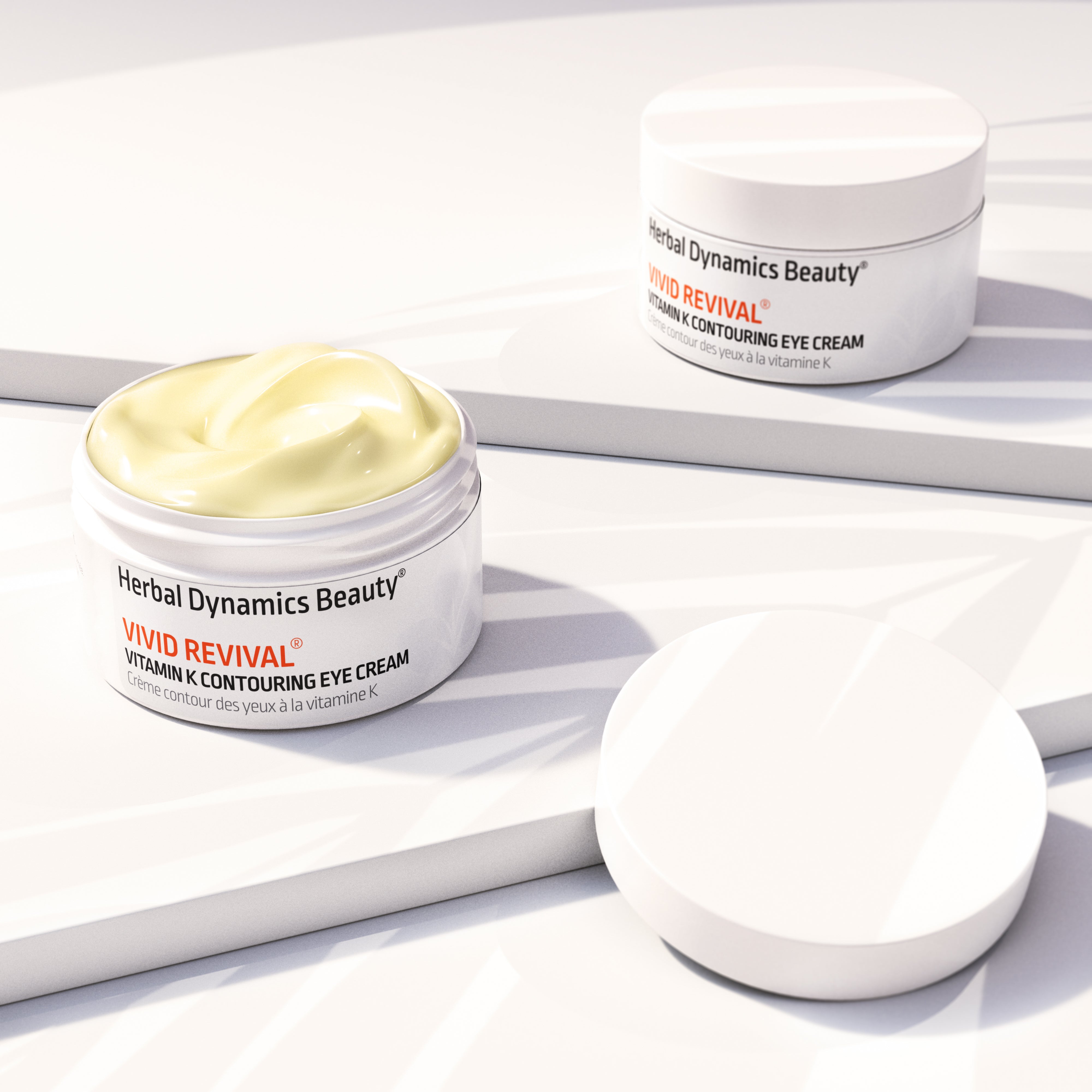
Herbal Dynamics Beauty Vivid Revival® Vitamin K Contouring Eye Cream combines vitamin K, green tea and moisturizers for the appearance of discoloration, puffiness and dry-looking texture. It can complement allergy care but is not an allergy treatment.
For a low-irritation sequence, follow our under-eye skincare routine or use Find My Routine.
Arrange medical advice for persistent nasal or eye symptoms, wheezing, recurrent swelling or suspected allergic triggers. Seek urgent care for trouble breathing, rapidly increasing facial swelling, severe eye pain or vision changes.
This article is educational and does not diagnose or treat allergies.