Your Cart is Empty



Short answer: Dark circles under the eyes usually come from a combination of pigment, visible vessels through thin skin, shadowing from facial structure, puffiness, and irritation or rubbing. Poor sleep can make them look more noticeable, but it is rarely the only cause. The most useful treatment depends on which component is dominant.
Under-eye darkness is generally a cosmetic concern, not a diagnosis. A sudden one-sided color change, painful swelling, vision symptoms, or unexplained bruising needs medical evaluation rather than an eye cream.
| Dominant type | Typical clues | Common contributors | Approaches that may help |
|---|---|---|---|
| Pigmentary | Brown or gray-brown color that remains in different lighting | Genetics, sun exposure, post-inflammatory hyperpigmentation, dermatitis, eye rubbing | Sun protection, controlling irritation, and carefully selected brightening treatments |
| Vascular | Blue, purple, pink, or reddish tone beneath thin skin | Visible superficial vessels, thin or translucent skin, inflammation | Camouflage, gentle care, and clinician-selected vascular treatments when appropriate |
| Structural | A shadow that changes noticeably with lighting or angle | Tear-trough anatomy, loss of volume, skin laxity, under-eye bags | Cosmetic camouflage; professional evaluation for procedures |
| Mixed | Features of two or more categories | A combination of pigment, vessels, shadow, and puffiness | A cause-specific combination plan |
Most people have a mixed pattern. Color words are only rough clues and can look different across skin tones, so this table is not a self-diagnostic test.
Some people naturally have more pigment around the eyes or inherit facial anatomy that creates a stronger under-eye shadow. This can begin early in life and may be common among relatives. A cosmetic cannot change inherited bone structure, and a product that targets pigment will not remove an anatomical shadow.
The lower-eyelid area is thin, so underlying muscle and vessels may influence the color seen at the surface. With age, changes in collagen, fat, and skin thickness can make vascular color or hollowness more visible. This is not the same as blood “leaking” continuously under the eyes, and ordinary dark circles are not simply bruises.
A groove between the lower eyelid and cheek can cast a shadow, especially under overhead lighting. Under-eye bags can create a similar contrast. Moisturizer may make the surface look smoother, but it cannot replace lost volume or reshape the underlying anatomy.
Eyelid eczema, allergic contact dermatitis, seasonal allergies, and frequent rubbing can inflame the area. After inflammation settles, extra pigment may remain—particularly in medium to deep skin tones. Treating the trigger and avoiding rubbing are essential; adding strong actives to irritated eyelids can make the problem worse.
Morning puffiness, allergies, crying, and individual anatomy can create or deepen shadows. A cool compress may temporarily reduce the look of mild puffiness. Persistent or one-sided swelling, pain, redness, or vision changes needs professional evaluation.
Sleep deprivation can make the face look more fatigued and can increase the perceived prominence of dark circles and swollen eyes. Better sleep may improve this temporary component, but it will not erase genetic pigment, visible vessels, or a tear trough.
Ultraviolet exposure can increase pigment and make uneven color more persistent. Daily sun protection is one of the most broadly useful measures for pigment-related under-eye darkness.
Dry or dehydrated skin can look dull and make fine lines more visible. A humectant and moisturizer may improve surface hydration, but drinking extra water or applying hyaluronic acid will not remove vascular, pigmentary, or structural dark circles.
Once you identify the dominant pattern, compare products by concern in Herbal Dynamics Beauty's best eye creams for dark circles guide.
Several factors can temporarily increase contrast without being the root cause: short or poor-quality sleep, allergy-related rubbing, morning puffiness, dry or dehydrated skin, unprotected sun exposure, and harsh or irritating eye products. Lighting also matters—a structural shadow can look much deeper under overhead light than in even, front-facing light.
If dark circles remain despite good sleep, the persistent component is more likely to involve natural pigmentation, visible vessels through thin skin, tear-trough anatomy, chronic irritation, or a mixture of these factors. That is why treating fatigue alone often does not remove them.
A well-tolerated moisturizer can reduce dryness and temporarily improve light reflection. Some topical formulas have been studied for vascular-looking circles, but evidence is limited. A dermatologist experienced with the eye area can discuss laser and other options, including the risk of pigment change.
Skin care cannot change a tear trough or under-eye bone structure. Makeup and strategic light reflection are the lowest-risk options. Fillers, fat transfer, and surgery may help selected patients, but the eye area is high risk; these procedures require a properly qualified, experienced medical professional.
A cool compress, consistent sleep, and management of known allergies may help temporary puffiness. Avoid placing ice directly on the skin. If swelling is persistent, pronounced, painful, or one-sided, seek medical advice.
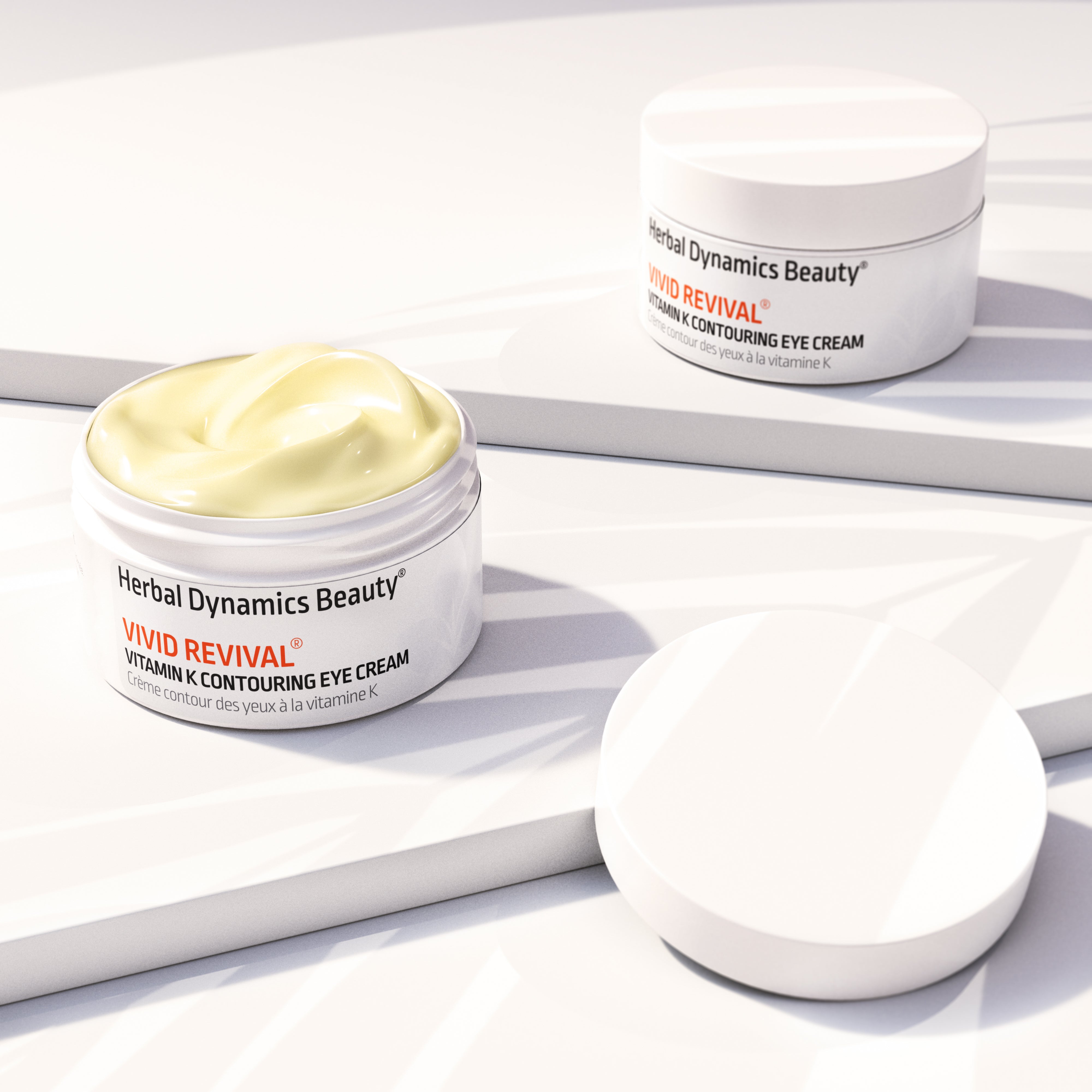
Topical vitamin K is often marketed for vascular-looking dark circles because vitamin K has an established role in blood clotting inside the body. That systemic role does not prove that a cosmetic strengthens under-eye capillaries or corrects every dark circle. Small studies of multi-ingredient products suggest possible cosmetic improvement, but the evidence for vitamin K alone is preliminary.
Read Herbal Dynamics Beauty’s full, evidence-graded Vitamin K for Skin guide for the studies, limitations, ingredient names, and allergy considerations.
Patch-test a new product before using it around both eyes. Introduce one change at a time, especially if you have eczema, rosacea, allergies, or sensitive skin.
For a step-by-step morning and evening plan, use Herbal Dynamics Beauty’s under-eye skincare routine. If swelling or shadow from puffiness is the main issue, see the under-eye bags and puffiness guide.
Seek medical care for a sudden or one-sided change; pain; pronounced swelling; redness and warmth; eye discharge; a drooping eyelid; vision changes; frequent unexplained bruising; or symptoms such as marked fatigue, shortness of breath, or unusual bleeding. Do not start iron, vitamin K, or another supplement for dark circles without evidence of a deficiency and professional guidance.
A dermatologist can help when darkness persists despite gentle care or when you are considering a prescription or procedure. An eye-care professional should assess symptoms involving the eye itself or vision.
Sleep loss can make them look worse, but dark circles are often pigmentary, vascular, structural, or mixed. Sleeping more will not change every cause.
Sleep can reduce the fatigued or puffy component, but it cannot change inherited pigment, thin translucent skin, facial anatomy, or a persistent inflammatory trigger. If good sleep does not resolve the darkness, use the type-and-cause clues above instead of assuming you need more rest or a stronger eye cream.
Usually not. Bruising is blood released into tissue after vessel injury. Ordinary under-eye darkness more often reflects pigment, visible vessels through thin skin, shadows, puffiness, or a combination.
No eye cream can permanently remove every type. A formula may hydrate, improve surface texture, or modestly affect certain pigmentary or vascular components, but it cannot alter bone structure or eliminate a deep tear trough.
Caffeine may temporarily improve the look of puffiness or vascular color in some formulas. The effect is cosmetic and will not correct pigment, anatomy, or an underlying medical cause.
Hyaluronic acid is primarily a humectant. It can improve hydration and make dry fine lines look softer, but it is not a pigment treatment and cannot remove structural shadows.
Use the color, pattern and circumstances—not one symptom alone—to choose the most relevant guide:
Compare microcirculation claims, green tea, hyaluronic acid and vitamin C. When you are ready to choose a formula, use the cause-based eye cream comparison.
This article is educational and cannot identify the cause of an individual’s under-eye darkness. Seek professional care for sudden changes, pain, swelling, or eye symptoms.