Your Cart is Empty


Brown or gray under-eye darkness often has a pigmentary component. Extra melanin may be influenced by genetics, sun exposure, irritation, eczema or repeated eye rubbing. Because pigment can coexist with visible vessels and shadow, the most useful approach begins by identifying the dominant cause.
Start with the complete guide to dark-circle types and causes if your color changes between brown, blue, purple and gray.
| Common clue | Possible meaning |
|---|---|
| Brown, tan or gray-brown color | Melanin is likely contributing |
| Similar color in different lighting | Pigment may be more important than shadow |
| History of rubbing, irritation or dermatitis | Inflammation may have triggered or deepened pigment |
| Darkness runs in the family | Inherited pigment and anatomy may overlap |
This table is a decision aid, not a diagnostic test. A dermatologist can distinguish pigment from vascular color, dermatitis and structural shadow when the cause is unclear.
Some people naturally have more pigment around the eyes. Family patterns may also include thin skin or tear-trough anatomy, so “genetic dark circles” can be a mixture rather than one single process.
Ultraviolet exposure can stimulate pigment production. Research also shows that visible light can contribute to hyperpigmentation, particularly in darker skin tones. Daily photoprotection is therefore a prevention step, although sunscreen cannot remove anatomy or visible vessels.
Repeated rubbing can inflame delicate skin. Inflammation may be followed by lingering discoloration, known as post-inflammatory hyperpigmentation. Fragranced products, overly strong exfoliants and formulas that migrate into the eyes can keep the cycle going.
Itchy, watery eyes and congestion can lead to rubbing and darker-looking under-eyes. Skincare can support the surface, but persistent allergy symptoms need appropriate medical guidance.
Brown and gray discoloration can occur in every skin tone, but post-inflammatory pigment is often more persistent in medium-to-deep complexions. Erythema may also look less red and more violet or gray on richly pigmented skin. Learn more in our guide to dark circles in different skin tones.
Consistent sun protection helps reduce the signals that can deepen pigment. Choose a product labeled for facial use, keep it out of the eyes and add sunglasses or a hat when practical.
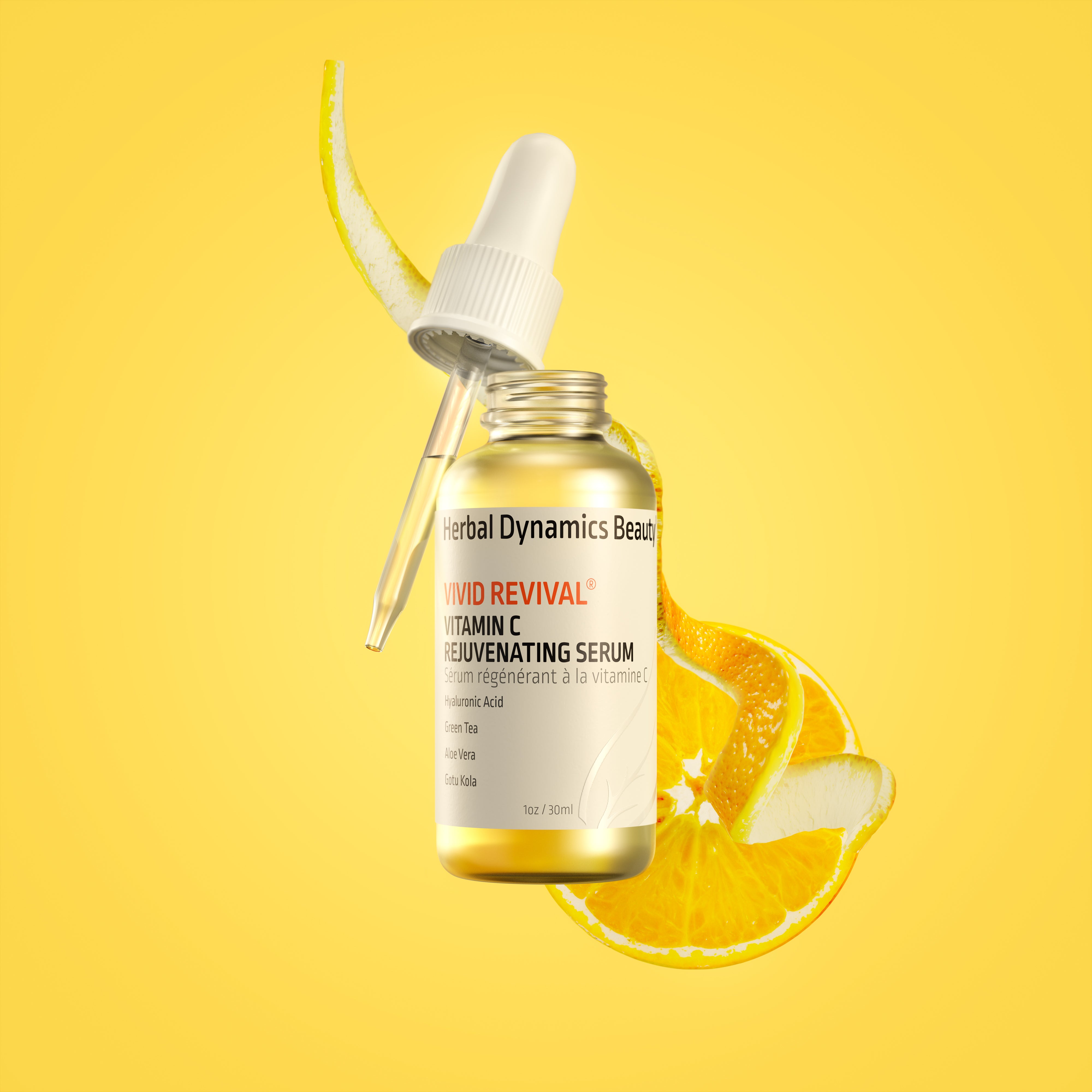
Topical vitamin C has antioxidant and pigment-related rationale, but stability, concentration and tolerance matter. It is more relevant to melanin-related darkness than to a deep tear-trough shadow. Read when vitamin C may help dark circles.
Niacinamide can support the skin barrier and has evidence for improving uneven tone in broader facial use. The eye area is sensitive, so use products formulated for that location and introduce one new product at a time.
Vitamin K is better known in eye-care formulas aimed at the appearance of vascular or mixed discoloration. It is not a proven melanin inhibitor and should not be presented as a universal pigment corrector. See what the vitamin K studies actually show.
Avoid applying undiluted acids, lemon juice, apple cider vinegar or aggressive peels near the eyes. Irritation can make discoloration worse.
Hydrating and antioxidant ingredients may improve the look of the surface, while pigment-focused formulas are more relevant when brown discoloration is dominant. No topical can fill a hollow. Use our cause-based guide to the best eye creams for dark circles to compare the options.
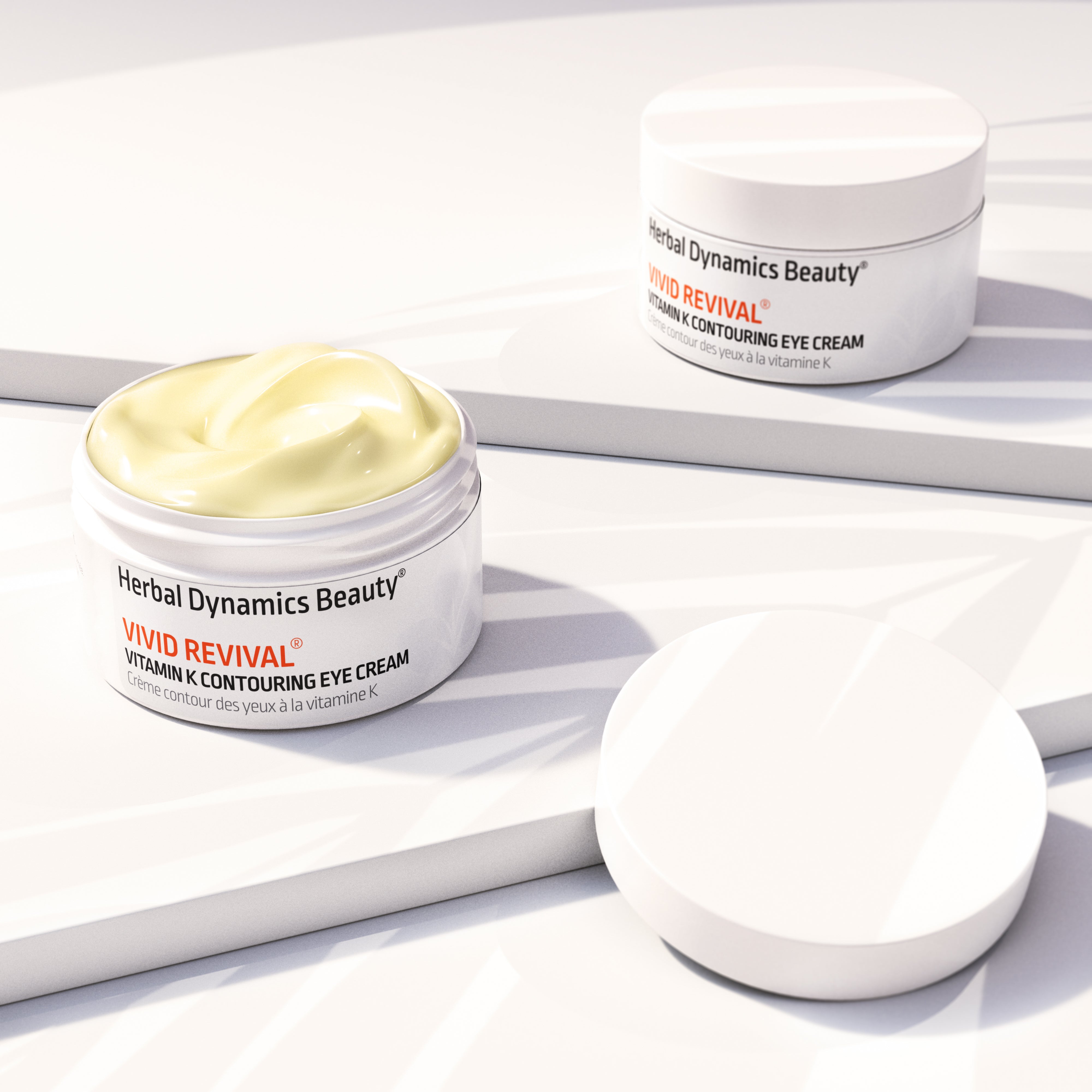
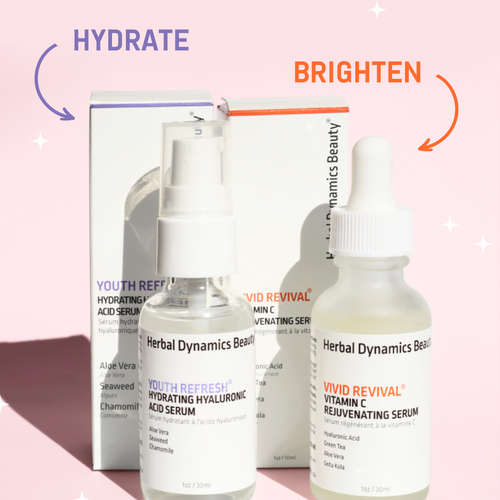
Herbal Dynamics Beauty Vivid Revival® Vitamin K Contouring Eye Cream is a gentle cosmetic option for mixed discoloration, puffiness and dehydration. For predominantly brown pigment, daily sun protection and irritation control remain essential.
Seek professional guidance for persistent itching, scaling, swelling, rapidly changing color or uncertainty about a new one-sided mark. Prescription pigment treatments and procedures require individualized assessment, especially around the eyes.
This article is educational and does not diagnose or treat a medical condition.