Your Cart is Empty


Dehydration can make dark circles look more noticeable, but it is rarely the sole cause. When the body or skin is under-hydrated, the under-eye surface may look dull, crepey or less plump, which can emphasize vessels and shadow. Drinking water and using a moisturizer can improve hydration; they cannot remove melanin, change a tear trough or permanently hide visible vessels.
To identify the dominant cause, use our dark-circle type and cause guide.
| Term | What it means |
|---|---|
| Body dehydration | The body has lost more fluid than it has taken in |
| Dry skin | Skin lacks enough lipids and loses water too readily |
| Dehydrated skin | The outer skin layers have temporarily reduced water content |
These can overlap, but they are not interchangeable. A person can drink enough water and still have dry, irritation-prone skin that needs topical barrier support.
Water in the outer skin layers helps the surface look smooth. When that layer is dehydrated, fine lines and texture can become more visible and reflect light unevenly.
A dry, crepey surface can make a pre-existing tear trough or bag look more pronounced. Hydration may soften the transition, but it does not change the anatomy creating the shadow.
Illness, travel, alcohol, heat and insufficient fluid intake can coincide with poor sleep and temporary puffiness. Several factors may be changing the eye area at once, so a glass of water should not be framed as a cure.
Read our page on structural dark circles and tear troughs if the darkness follows a groove.
Correcting true dehydration is important for health and may help a dehydrated appearance. Once normal hydration is restored, drinking extra water has not been shown to erase genetic pigment, vascular color or under-eye hollows. Use thirst and medical guidance rather than forcing excessive fluid intake.
Seek medical advice if dehydration is accompanied by confusion, fainting, inability to keep fluids down, very dark urine, rapid heartbeat or other concerning symptoms.
Hyaluronic acid and glycerin attract water to the outer skin layers. They can create a temporarily smoother, more light-reflective surface. See how hyaluronic acid affects hydration rather than pigment.
Squalane, plant oils and other emollients smooth rough edges between skin cells. More occlusive ingredients reduce water loss. Eye-area formulas should be used as directed and kept out of the eyes.
Green tea and similar antioxidants may support a calm-looking surface. They should not be described as proven cures for dehydration or dark circles.
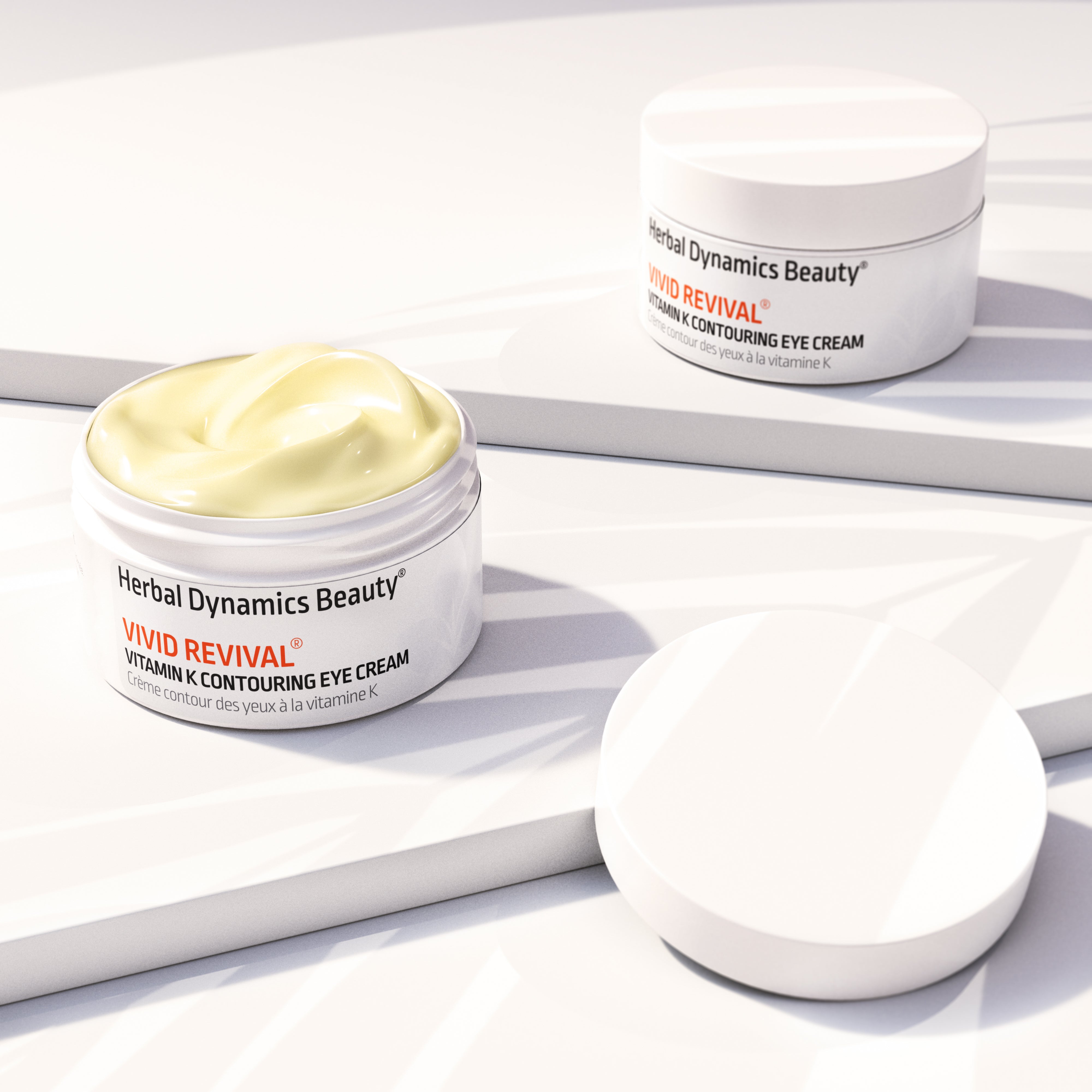
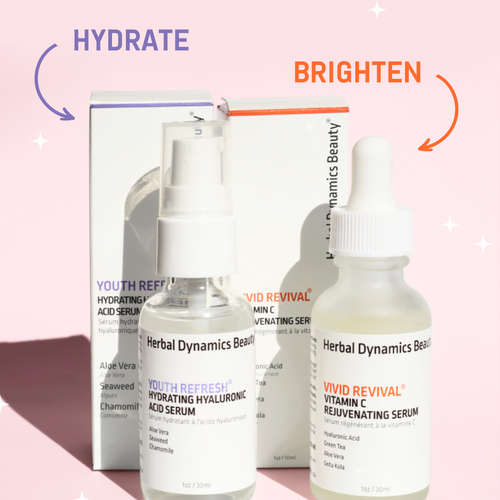
Herbal Dynamics Beauty Vivid Revival® Vitamin K Contouring Eye Cream includes moisturizing ingredients alongside vitamin K and green tea. It can improve dry-looking texture and support the appearance of mixed discoloration, but it cannot correct a deep hollow or every pigment cause.
Compare it with other approaches in our cause-based eye cream guide.
This article offers general skincare education and is not medical advice.