Your Cart is Empty

The best eye cream for dry under-eyes combines water-binding ingredients with emollients in a formula your skin tolerates. Look for ingredients such as glycerin or hyaluronic acid alongside lipids, dimethicone or other moisturizing ingredients. If your eyelids are itchy, burning, swollen or repeatedly flaky, identify the cause before trying a more intensive eye cream.
A separate eye product is optional when an existing facial moisturizer is allowed near the eyes by its label and stays comfortable there. “Hydrating” on the front label is less useful than the complete formula and your experience using it.
| Ingredient group | Examples | Role in a formula |
|---|---|---|
| Humectants | Glycerin, hyaluronic acid, sodium PCA | Help retain water in the outer skin. |
| Emollients | Squalane, suitable oils, fatty alcohols | Soften rough-feeling surface texture. |
| Moisture-loss support | Dimethicone, petrolatum, barrier lipids | Help a complete moisturizer limit water loss. |
| Optional actives | Peptides or antioxidants | Consider only after basic comfort is established. |
You do not need every category on one label. Texture, concentration and formulation influence the outcome. Our eye-area hyaluronic acid guide explains why a watery serum and a moisturizing cream may feel different.
Selection note: These are ingredient-based examples from official U.S. labels, not a claim of comparative clinical superiority. Herbal Dynamics Beauty makes and sells the Vitamin K Eye Cream.
CeraVe Eye Repair Cream combines glycerin and sodium hyaluronate with ceramides, emollients and niacinamide. The manufacturer describes it as fragrance-free. That makes it a useful comparison when added fragrance is something you avoid.
The formula also includes botanicals and sweet almond oil. Check your personal allergens; a fragrance-free or allergy-tested claim is not a guarantee that a formula will suit every eyelid.
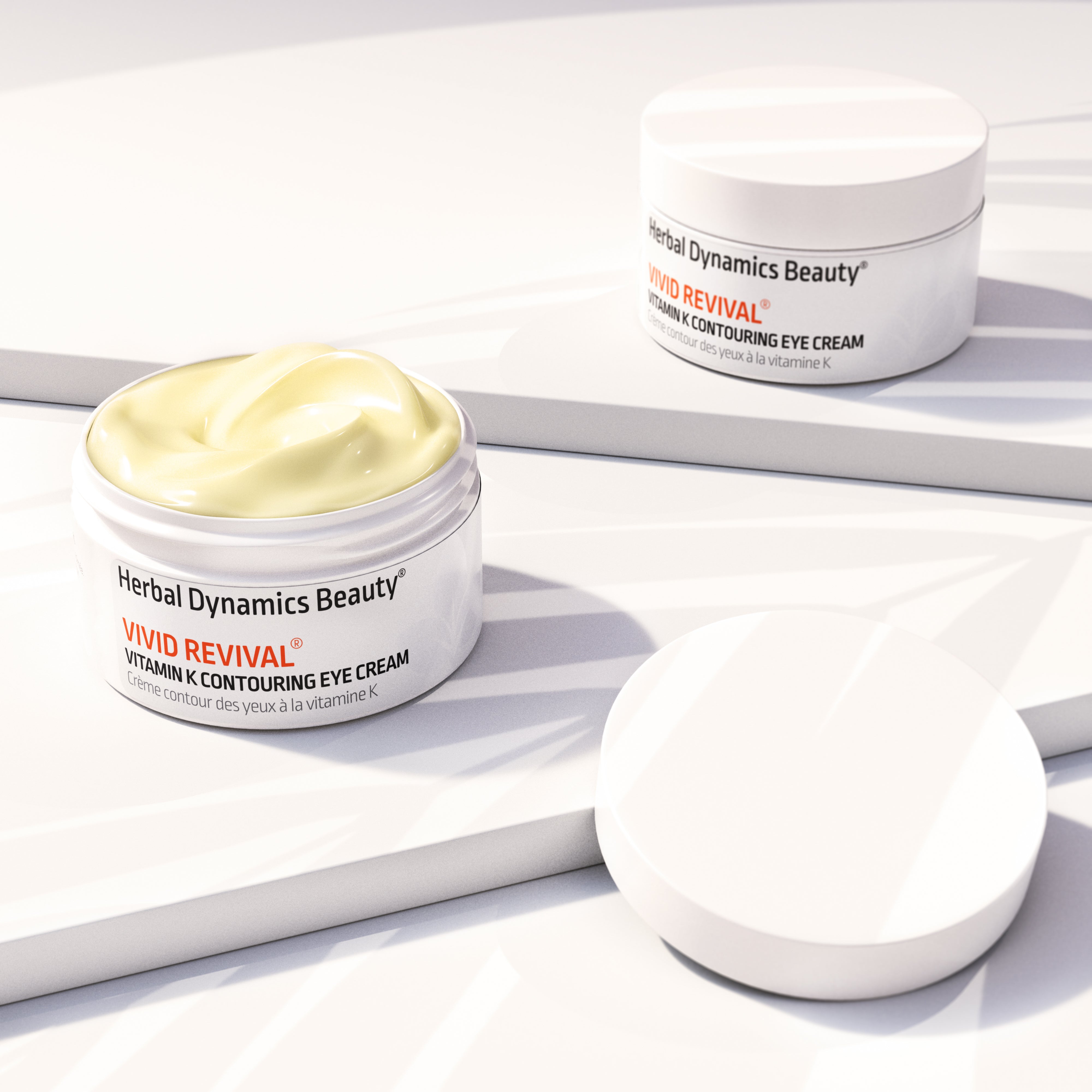
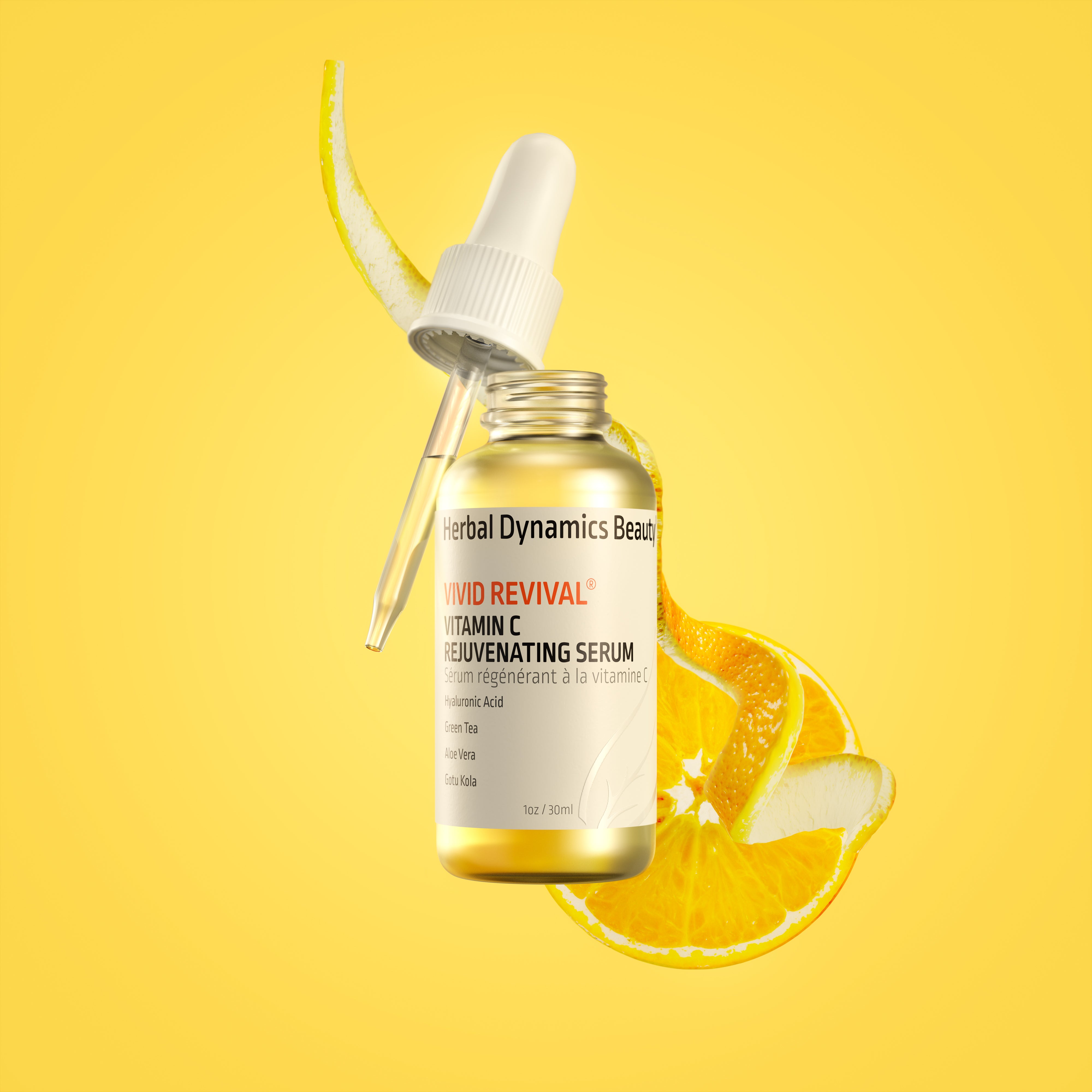
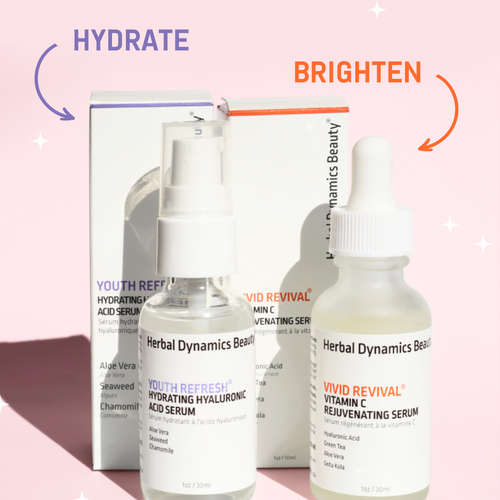
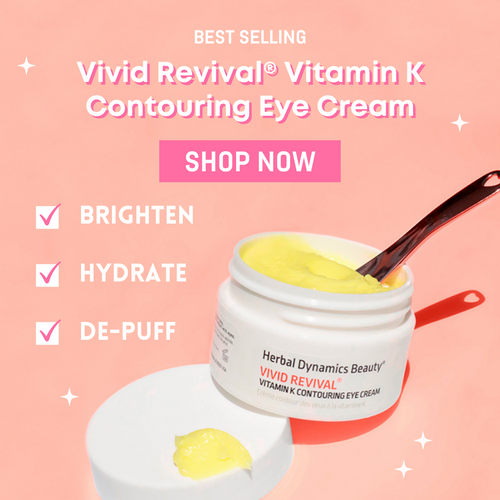
Vivid Revival® Vitamin K Contouring Eye Cream contains glycerin, hyaluronic acid, sodium PCA and oils, along with green tea, phytomenadione and retinyl palmitate. Consider it if you want botanical moisturizing care and tolerate those ingredients.
The hydration rationale comes from the complete moisturizer. Vitamin K is not necessary to moisturize skin and is not a treatment for eyelid eczema. For active irritation, simplify first instead of introducing a complex formula.
A cream is a useful starting point when the area feels tight after washing. A serum can add a lighter layer, but you may still want an emollient moisturizer. A balm can feel protective yet may migrate if applied too generously. Start with the label amount rather than coating the eyelids with several products.
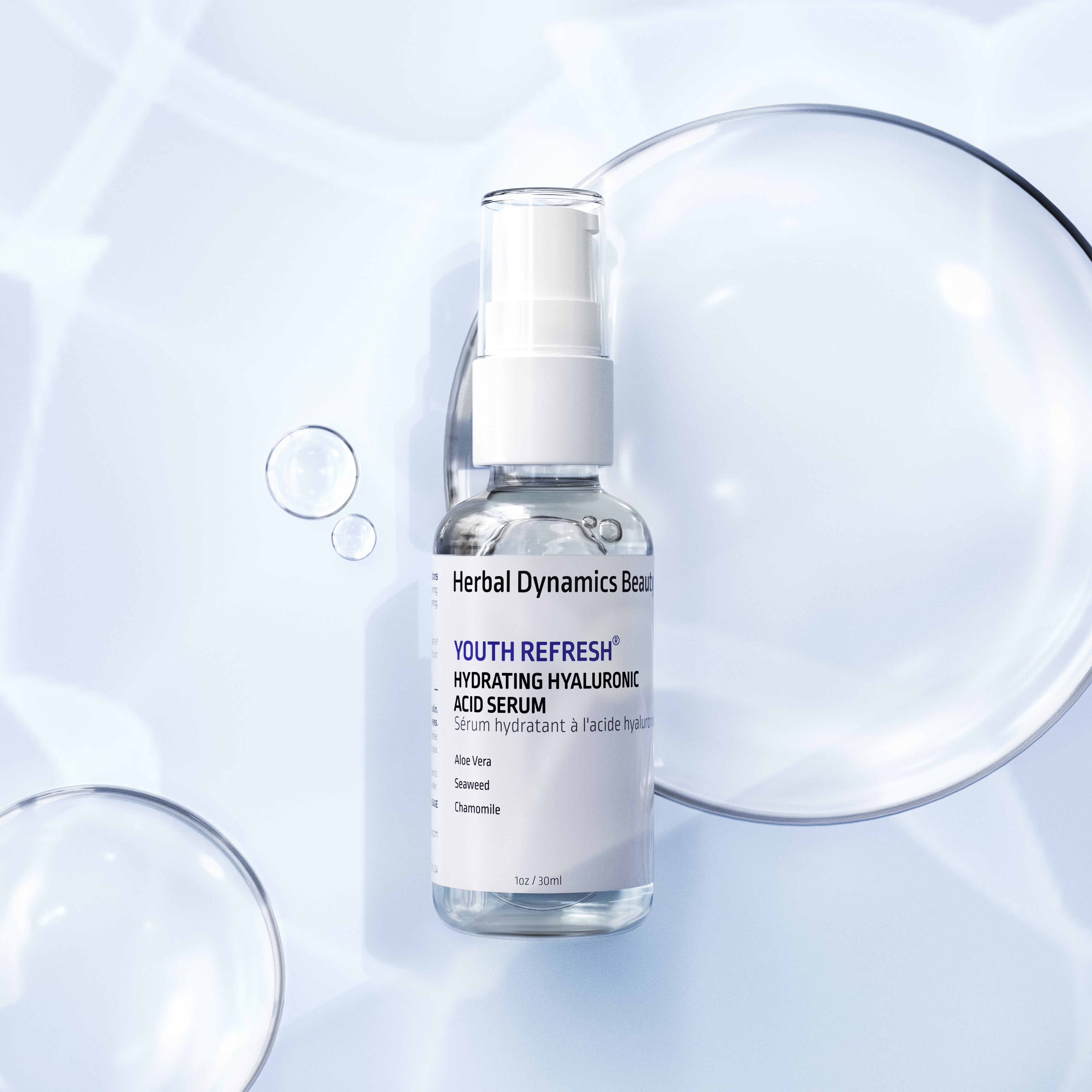
Do not use an ordinary face serum under the eyes solely because it contains hyaluronic acid. Check for other actives and read where the product may be applied. More layers can make it harder to identify a reaction.
Moisturizing may soften dry-looking fine lines and help the surface feel smoother. It does not permanently remove expression lines, tighten loose skin or fill a tear trough. If concealer gathers in the area, try less product and allow the moisturizer to settle before makeup. Repeated rubbing to remove pilling can worsen discomfort.
For persistent lines after dryness improves, compare eye creams for fine lines. For a dry or flaky skin problem rather than a shopping decision, use the dry under-eye care guide.
A controlled study of specific hyaluronic acid creams applied around the eyes found improved hydration compared with the vehicle. This supports a role for well-formulated hydration, but does not make every HA serum equivalent or show that extra layers are better.
Introduce one product, follow its directions and track comfort before judging appearance. Stop for burning, swelling or a rash. Persistent eyelid symptoms deserve professional assessment.