Your Cart is Empty


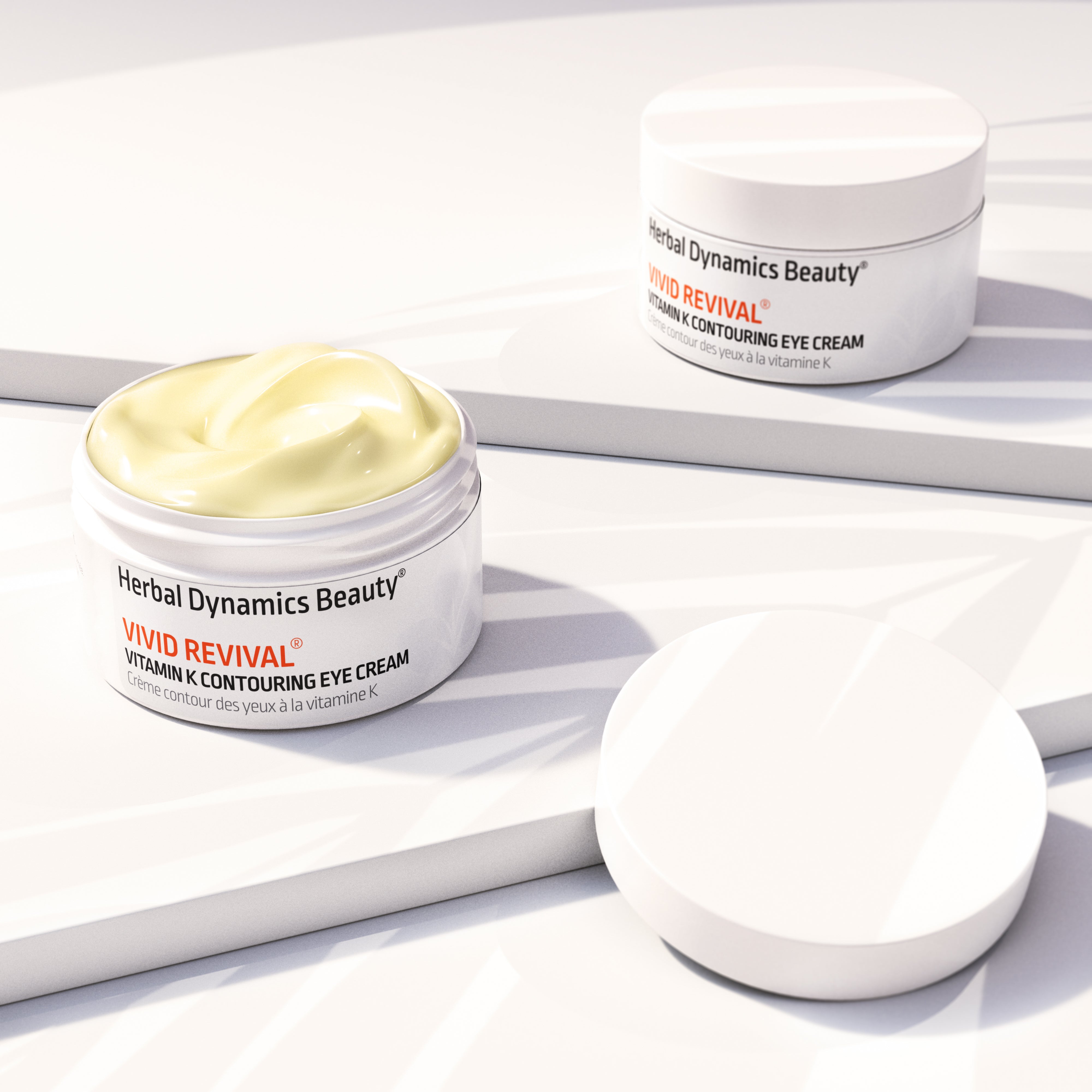
For dry under-eye skin, start by reducing irritation and using a moisturizer that is suitable for the eye area. Gentle cleansing, careful makeup removal and a small amount of a comfortable cream may help ordinary tightness and roughness. Persistent itching, scaling, swelling or burning needs a closer look; it may be more than a lack of hydration.
Dry air, frequent washing, rubbing and potentially irritating products can make this area uncomfortable. A new retinol, exfoliating acid or facial serum may also reach the eye area indirectly. Think about what changed before the dryness began, including makeup remover and hair or nail products you might transfer with your fingers.
Contact dermatitis is one possible cause of itchy, scaly eyelids. Flaking along the lashes with eye irritation can also occur with blepharitis. Neither should be diagnosed from a skincare article. The National Eye Institute’s blepharitis guide explains why persistent lash-line symptoms deserve eye-care advice.
A rough surface can make small creases more visible. Improving moisture may soften their appearance without changing deeper wrinkles. A hollow or a persistent bag can also cast a shadow that is unaffected by how much cream you apply.
See dry versus dehydrated skin for the broader distinction and what hydration can change about dark circles for the color question.
Usually you can start with one moisturizing product. Hyaluronic acid and glycerin support water retention; emollients help the skin feel softer. A separate serum is optional. If an eye cream already contains humectants, adding a serum may simply duplicate the same step.
Read the full formula and label before using a regular face serum under the eyes. A product that feels fine on the cheeks can still be unsuitable closer to the lash line. For selection criteria, use best hydrating eye creams and hyaluronic acid eye-area guidance.
Do not try to exfoliate flakes off the eyelids or use a household oil as an automatic substitute for a tested cosmetic. Botanical ingredients and fragrance can be troublesome for some people. A thick coating of several products also makes it harder to tell which one is causing symptoms.
Do not start an over-the-counter steroid around the eyes without clinical guidance. Eyelid conditions sometimes need medication, but the choice and duration matter.
Arrange an assessment for recurring eyelid rash, persistent scaling, marked itching or discomfort that continues after simplifying your routine. Seek prompt care for eye pain, vision changes, discharge or sudden significant swelling. These are not problems to cover with a richer cream.
Dermatology guidance supports gentle cleansing and moisturization for dry skin. Clinical eyelid guidance adds a separate point: finding an irritant or allergen matters when a rash is present. Eye-cream use should support comfort without delaying that assessment.