Your Cart is Empty

Hyaluronic acid can make dry under-eyes look smoother and more hydrated, but it does not directly remove dark-circle pigment or change facial anatomy. By increasing water in the outer skin layers, it may soften dehydration lines and improve light reflection. The benefit is most relevant when dryness makes an existing circle look worse.
Use our dark-circle causes guide to determine whether hydration, pigment, visible vessels or shadow is dominant.
Hyaluronic acid is a sugar molecule naturally present in skin and connective tissue. In topical products it acts mainly as a humectant, attracting and holding water in the outer skin layers. Molecular size and formulation affect how a product feels and performs, but topical hyaluronic acid should not be confused with injectable filler.
| Concern | Likely role of topical hyaluronic acid |
|---|---|
| Dry, crepey texture | Can improve surface hydration and smoothness |
| Fine dehydration lines | May temporarily plump their appearance |
| Dull light reflection | A smoother surface may look brighter |
| Brown pigment | Does not directly suppress melanin |
| Blue or purple vessels | Does not remove visible vessels |
| Deep tear trough | Cannot fill it when used topically |
A dehydrated surface can exaggerate shadow. When the skin is well hydrated, it often looks more supple and reflects light more evenly. That cosmetic improvement should not be mistaken for removal of the underlying cause.
Read what dehydration can—and cannot—change.
Injectable hyaluronic acid is placed beneath the skin by a licensed medical professional and has a different purpose, risk profile and regulatory status. A serum or eye cream acts mainly at the skin surface; it cannot reproduce a filler result or eliminate a tear trough.
For structural shadow, see tear troughs and the limits of skincare.
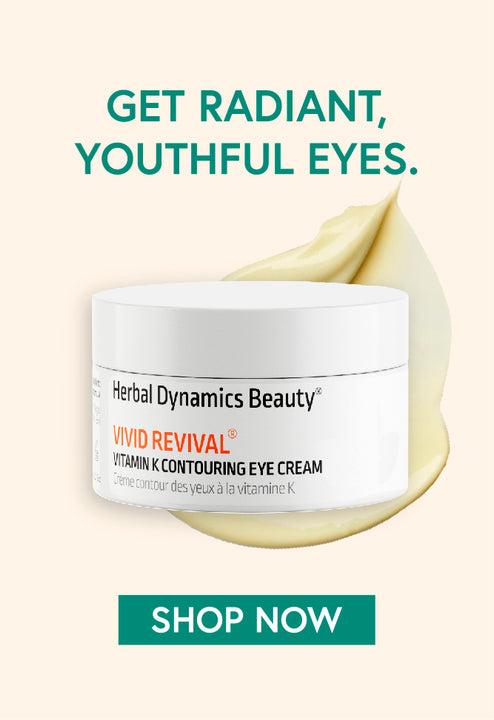
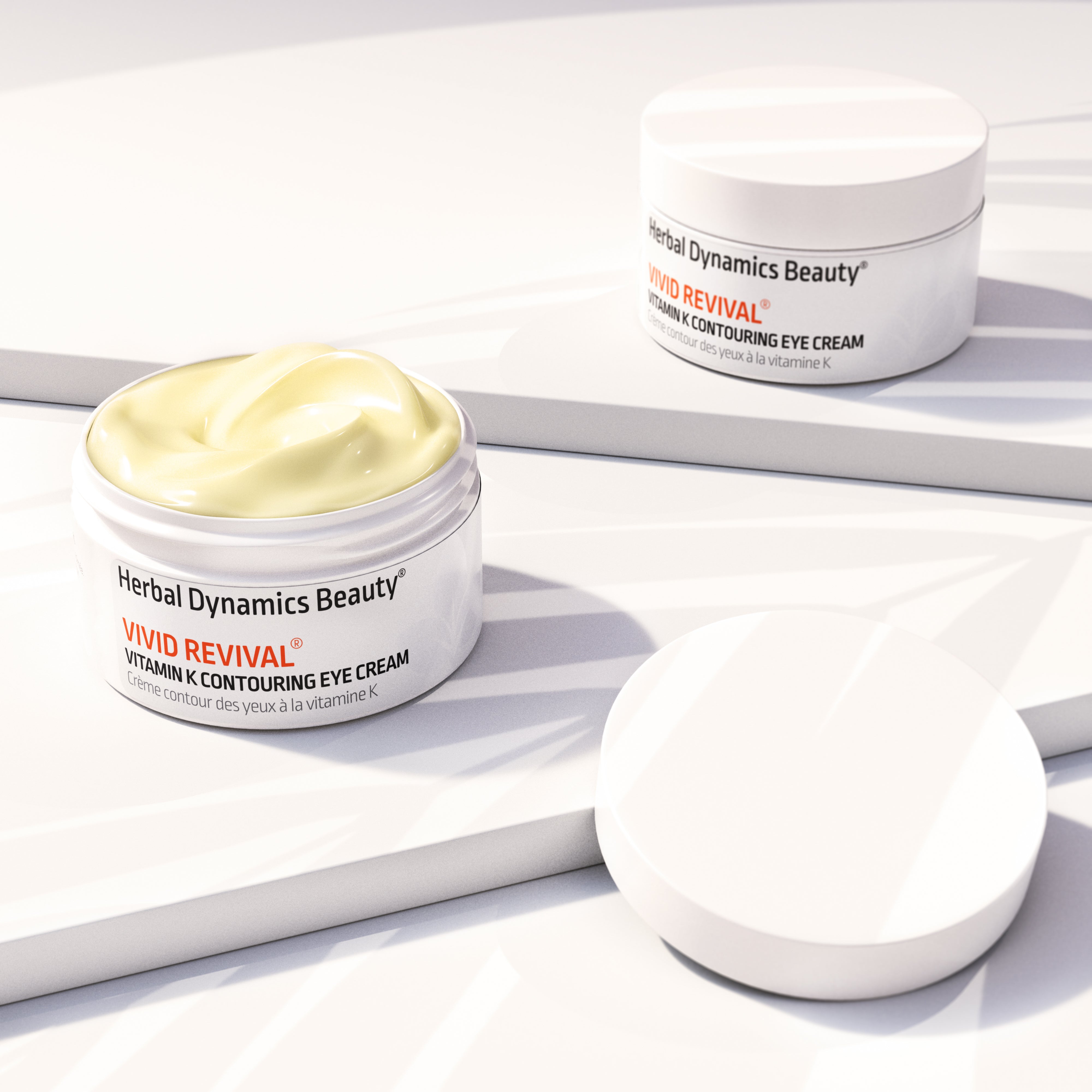
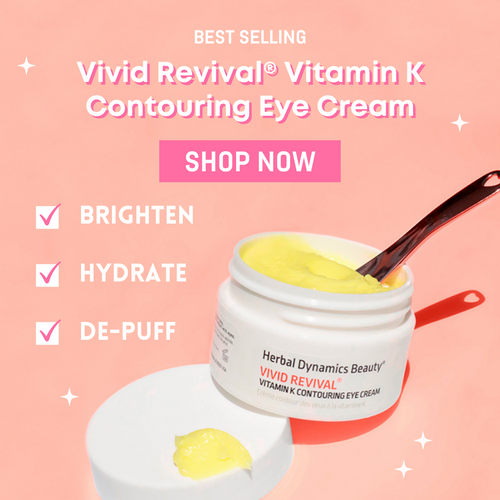
Herbal Dynamics Beauty Vivid Revival® Vitamin K Contouring Eye Cream combines humectant hydration with vitamin K and green tea. Hydration can improve dry-looking texture, while the complete formula is designed for mixed discoloration and puffiness. It will not alter a deep hollow.
Compare ingredient strategies in our best ingredients for dark circles guide or the cause-based eye cream comparison.
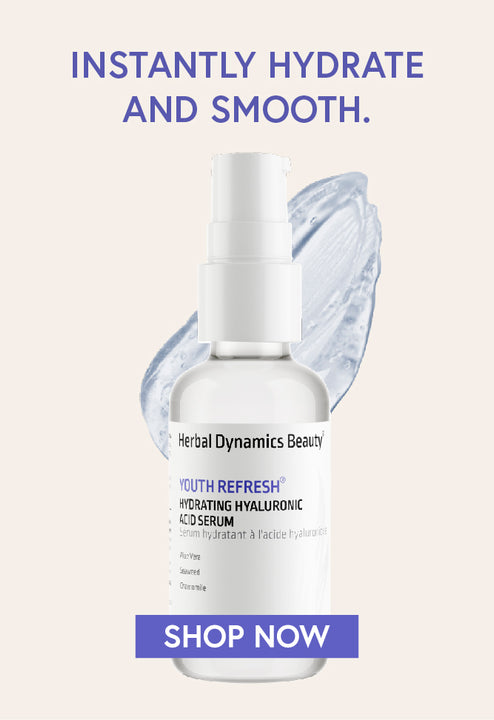
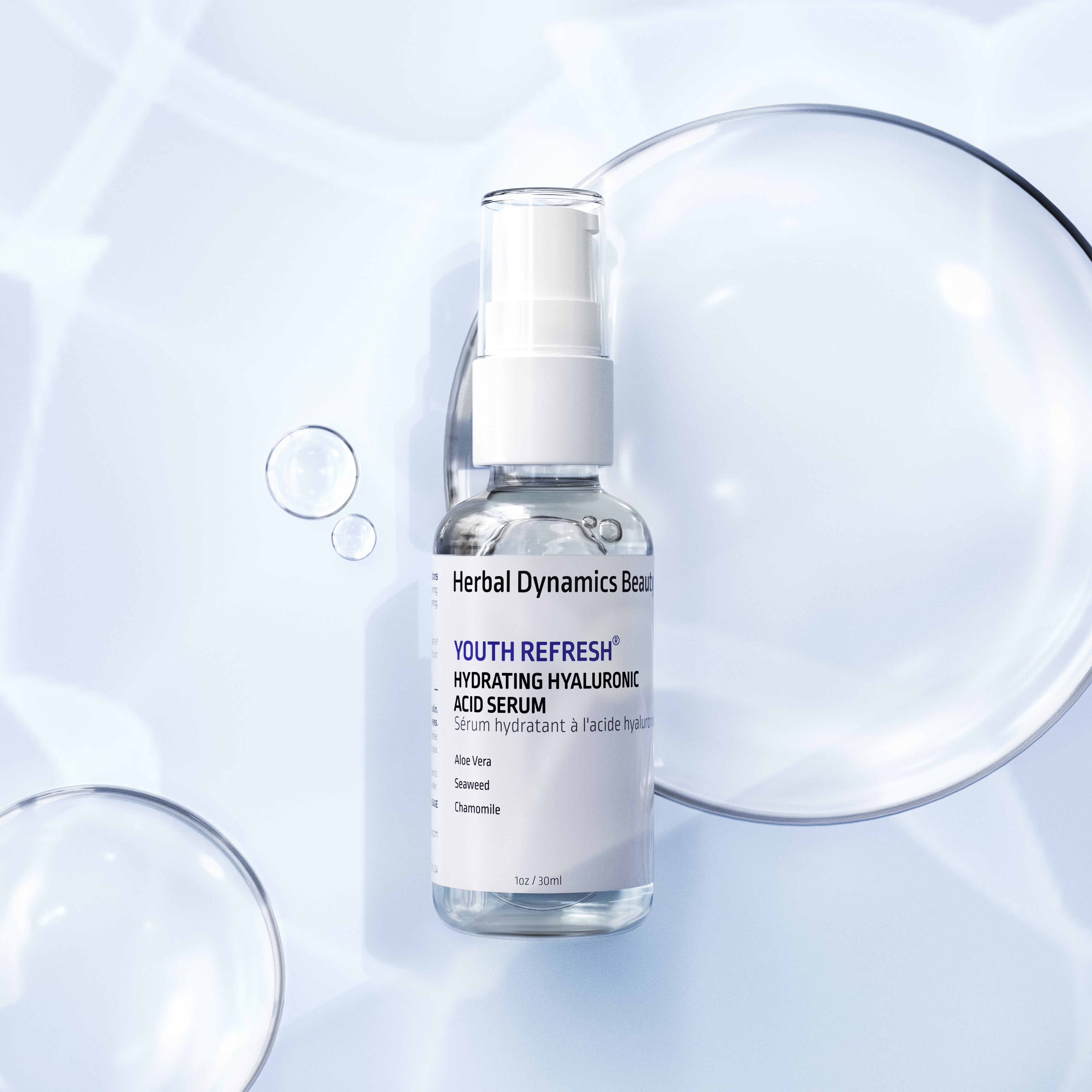
For the ingredient science, read Hyaluronic Acid for Skin. For formula selection, see Best Hyaluronic Acid Serum: What to Look For. If the under-eye area is reactive, use the guidance in hyaluronic acid for sensitive skin and avoid placing products too close to the eye.
This article discusses topical cosmetics, not injectable treatment, and does not replace medical advice.