Your Cart is Empty
Body lotion usually spreads more easily, cream often feels richer, and body butter can offer a particularly rich texture—but the names overlap. Choose the complete formula for your dryness, climate and preferred finish. “Butter” does not automatically mean waterless or better than cream.
| Format | Typical experience | Where it may fit | What the name cannot tell you |
|---|---|---|---|
| Body lotion | Fluid and easy to distribute | Large areas, everyday use, a lighter feel | Whether it provides enough lasting moisture for your skin. |
| Body cream | More substantial texture | Dry arms, legs and trunk | Whether it is fragrance-free, gentle or suitable for eczema. |
| Body butter | Rich, dense or whipped feel | People who enjoy a richer finish; selected dry areas | Whether it contains water or any particular amount of butter. |
| Ointment or balm | Often a more protective, greasy finish | Small dry areas when that texture is appropriate | Whether the product is a plain moisturizer or includes treatment ingredients. |
These are tendencies, not fixed recipes. Formulators can create a fluid lotion with substantial moisturizing performance or a rich-looking product that does not suit your skin. Packaging is not a reliable substitute for reading ingredients.
Start with lotion if you want quick, broad coverage and dislike a coating. Try a richer formula if comfortable coverage does not last, especially on dry shins or during a dry season. You can use lotion over most of the body and butter on selected areas.
Choose the option that fits your dressing and activity routine. A product you skip because it feels sticky offers little practical value. Our seasonal guide covers heat, humidity and winter dryness.
A cream is often a useful next step when a lotion leaves skin feeling tight. Compare the moisturizing base rather than looking for a single “stronger” ingredient. A cream with a tolerable finish may be easier to maintain than repeatedly layering oil over an unsuitable lotion.
The very dry body skin guide covers ingredients and persistent flaking. If skin is inflamed or cracked, texture alone cannot determine the right treatment.
The distinction is often sensory or marketing-based. Read the label: a butter containing water, glycerin, emulsifiers and oils may be a rich cream in formulation terms. A blend made only with oils, waxes and butters behaves differently because it has no water phase.
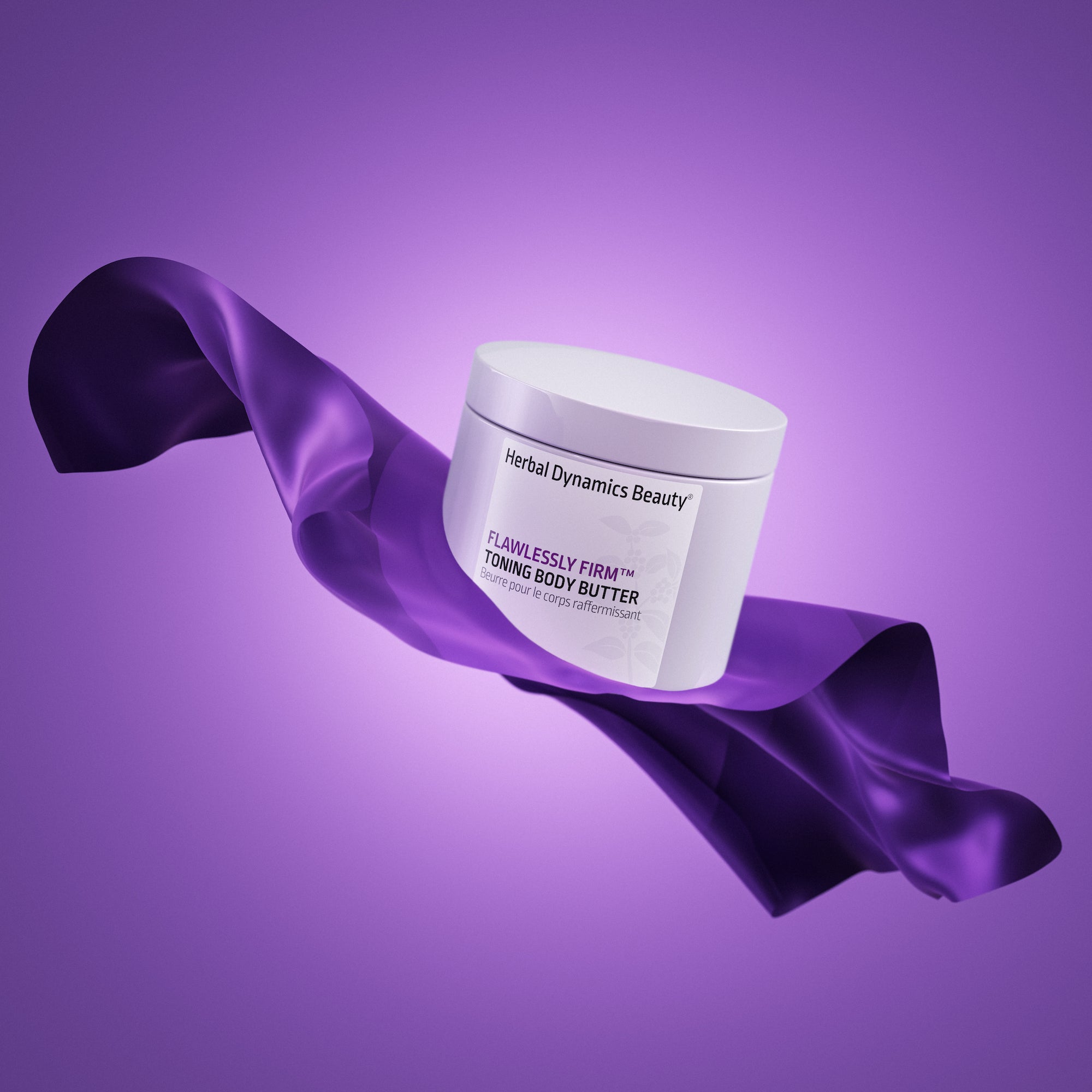
For example, Flawlessly Firm™ Toning Body Butter is a water-containing emulsion with mango butter. The product name does not mean it is pure mango butter. Our body butter guide covers the formula and who it may suit.
Research on cosmetic vehicles shows why formulation and application area matter. It does not support a universal ranking of butter above cream above lotion. The most useful comparison is the product’s ingredients and your experience using it as directed.
By Herbal Dynamics Beauty • Updated September 24, 2026
Herbal Dynamics Beauty publishes this article for informational, review and comparison purposes. We sell our own skincare products and have a commercial interest in any Herbal Dynamics Beauty products featured. We are not affiliated with, sponsored by, or endorsed by the third-party brands mentioned. Their product names and trademarks belong to their respective owners and are used solely to identify and discuss their products.