Your Cart is Empty
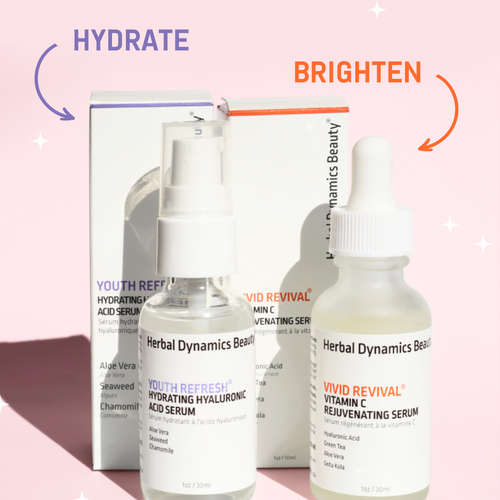
Hyaluronic acid itself is a water-binding polymer, not an oil, and it is not generally considered an inherently pore-clogging ingredient. Still, a finished serum contains many ingredients, and any individual product can be a poor fit for a particular person.
Comedogenicity is difficult to predict from a single ingredient list. Concentration, vehicle, how the product is used and individual skin all matter. A “noncomedogenic” label means the product was designed or assessed with clogged pores in mind; it cannot promise that no user will break out.
Hyaluronic acid is not an exfoliant, so a breakout should not be dismissed as “purging.”
Look for a lightweight texture, clear ingredient disclosure and minimal unnecessary fragrance if you are sensitive. The right moisturizer still matters because harsh acne routines can dehydrate skin. Oil-free is a texture preference, not proof of universal safety.
Seek professional care for painful nodules, scarring acne, persistent rash, swelling or breakouts that do not improve with an appropriate routine. A blog cannot determine whether bumps are acne, folliculitis, dermatitis or another condition.
It is generally compatible with common acne ingredients, but apply prescription products as directed. A hydrating serum may improve comfort; it does not replace an evidence-based acne treatment. Avoid adding several new products during an irritation flare.