Your Cart is Empty
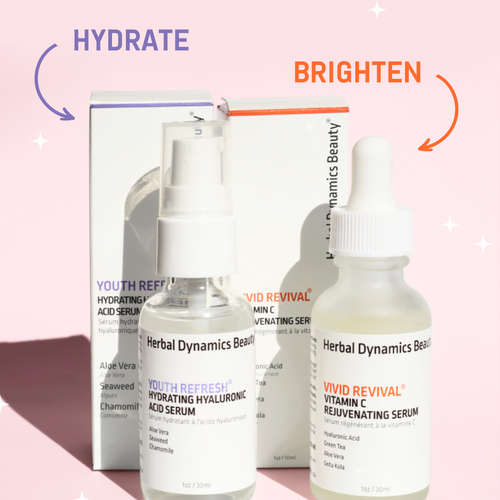

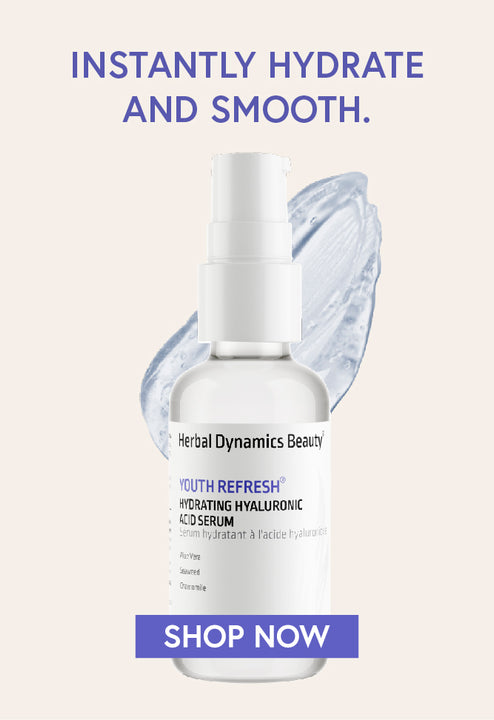
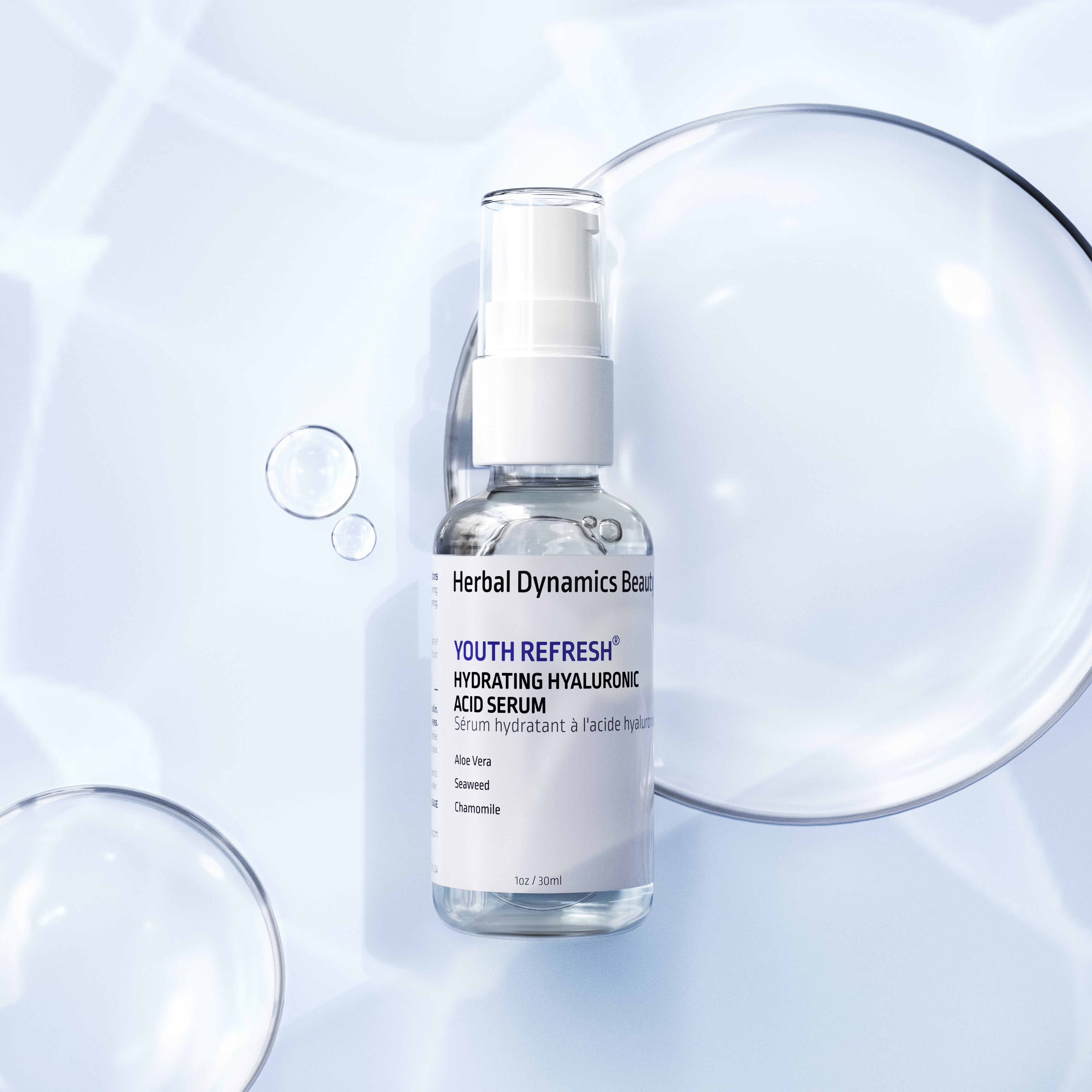
Hyaluronic acid is generally considered a low-conflict humectant, but “sensitive skin safe” depends on the complete formula. Fragrance, botanical extracts, preservatives and other active ingredients can be more relevant to irritation than hyaluronic acid itself.
A well-formulated serum can add hydration without exfoliating or accelerating cell turnover. That can make it easier to fit around stronger ingredients. Hydrated skin may also feel more comfortable, although a serum does not treat eczema, rosacea or an allergic reaction.
A home patch test cannot rule out every allergy. Stop and seek medical advice for swelling, hives, blistering, breathing difficulty or a severe reaction.
Start once daily or every other day on slightly damp skin, then follow with a familiar moisturizer. Avoid introducing it on the same night as several new acids or retinoids. Hyaluronic acid itself is compatible with those ingredients, but changing multiple steps at once makes tolerance harder to judge.
Brief sensation is not a sign that a product is “working.” Rinse if discomfort continues. Persistent stinging can reflect an impaired barrier or sensitivity to the formula. Simplify the routine to gentle cleansing, moisturizer and sunscreen, and consult a dermatologist if symptoms persist.
Molecular size can change biological and formulation behavior, but consumer claims often outrun clinical evidence. Do not assume “low molecular weight” is always superior or always irritating. Read our balanced molecular-weight guide.