Your Cart is Empty
Centella and colloidal oatmeal are different ingredients used in skincare. Centella is a botanical extract or a source of particular triterpenes; colloidal oatmeal is a finely processed oat ingredient. Neither name alone tells you whether a finished moisturizer will suit your dry or sensitive-feeling skin.
One extra distinction matters when shopping: a product containing oat extract is not automatically a colloidal-oatmeal product. Do not borrow the evidence for one preparation to make claims for another.
| Label term | What you are evaluating | What not to assume |
|---|---|---|
| Centella asiatica extract | A botanical preparation with varying composition | That all cica formulas contain an identical active blend |
| Madecassoside | A named Centella-associated compound | That it is interchangeable with whole extract |
| Colloidal oatmeal | A processed oat ingredient used in particular formulations | That every product with the word oat is equivalent |
| Avena sativa kernel extract | An oat extract identified in an ingredient list | That it supplies the same preparation as colloidal oatmeal |
Our oat-extract versus colloidal-oatmeal guide explains the oat terminology in more detail.
Colloidal-oatmeal research includes laboratory work and a clinical lotion study assessing dryness, moisturization and barrier measures. The evidence concerns the tested preparation and formula.
Centella has its own cosmetic formulation research. These studies did not directly compare the same moisturizer with Centella against the same moisturizer with colloidal oatmeal. Their results do not support a universal ingredient ranking.
Look at the texture, directions and the range of moisturizing ingredients. A light Centella essence and a rich oatmeal cream may differ mainly in their bases and intended use. If your skin needs a cream, choosing a thin serum because of an appealing plant claim can leave the routine short of moisture support.
The Centella barrier-support guide explains that limitation. The colloidal-oatmeal ingredient guide covers oat-specific evidence and precautions.
If you have a diagnosed condition, use the treatment and product guidance from your clinician. A general comparison does not make a Centella cosmetic an eczema treatment. Likewise, not every oat-containing mask is equivalent to a tested product intended for that use.
Known oat allergy, botanical allergy or fragrance reactions require attention to the exact formula. Neither “natural” nor “soothing” makes a known trigger appropriate.
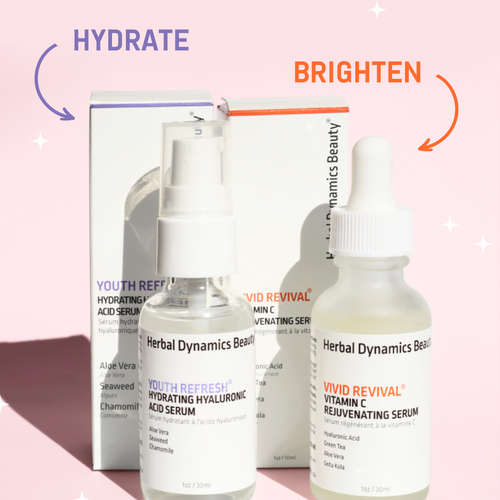
Youth Refresh® Hyaluronic Acid & Oat Overnight Recovery Mask lists both Centella asiatica extract and Avena sativa kernel extract. That ingredient list does not identify the mask as a colloidal-oatmeal formula. It also contains aromatic ingredients, including frankincense oil and rose geranium hydrosol.
It can be considered for its intended overnight moisturizing role by someone who tolerates the complete formula. It should not be presented as an eczema treatment or as reproducing the colloidal-oatmeal study.
A finished product can include multiple botanicals, but more is not automatically better. If an existing moisturizer already works well, another soothing mask or serum may be unnecessary. Introduce one product at a time and stop if it causes persistent discomfort.
Use the Centella selection guide for the buying decision and the reaction guide if you are troubleshooting. For the core botanical evidence, return to Centella asiatica for skin.
By Herbal Dynamics Beauty • Updated October 1, 2026
Commercial disclosure: Herbal Dynamics Beauty publishes this guide and sells the Herbal Dynamics Beauty products mentioned. Research citations are provided for education and do not imply that the researchers endorse our products. Ingredient studies are not clinical tests of these finished formulas.